Restoring upper body strength is vital for regaining function, reducing pain, and enhancin…

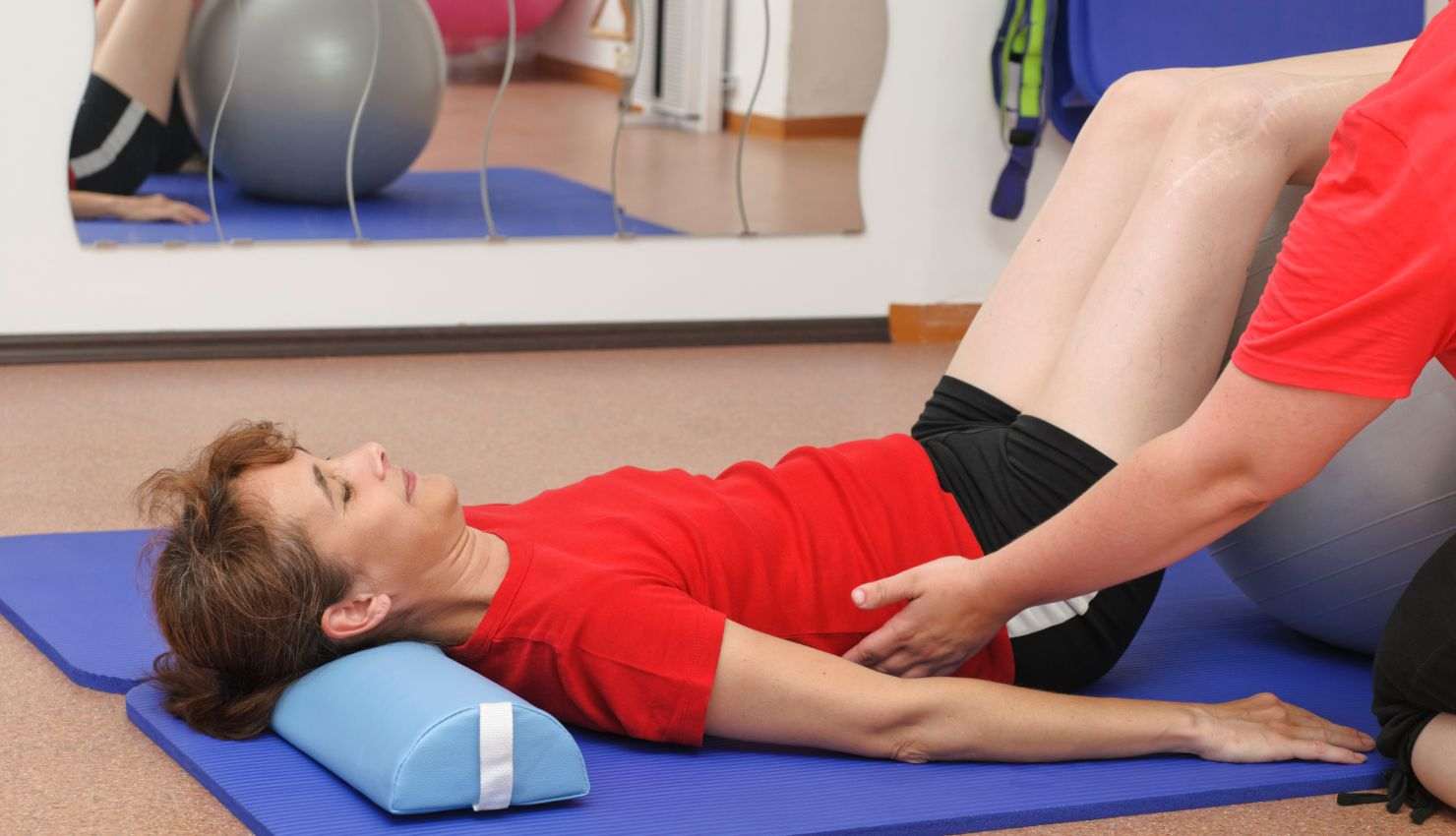
Restoring upper body strength is vital for regaining function, reducing pain, and enhancing quality of lifewhether you’re recovering from an injury, surgery, or long-term inactivity. Movement therapy uses controlled, progressive exercises and neuromuscular re-education to build strength, mobility, and stability in the shoulders, arms, chest, and upper back.
?? Why Upper Body Strength Matters
The upper body is essential for:
Lifting, reaching, and carrying objects
Pushing and pulling movements
Supporting posture and spine alignment
Daily tasks like grooming, driving, or household chores
Sports and occupational performance
A lack of strength in this region can lead to compensatory movement patterns, shoulder impingement, neck pain, and functional limitations.
?? Common Causes of Upper Body Weakness
Injury or surgery (rotator cuff tear, fractures, dislocations)
Neurological conditions (stroke, nerve compression)
Prolonged immobility (e.g., post-surgery rest or sedentary lifestyle)
Chronic pain or postural dysfunction
Muscle imbalance and overuse
? How Movement Therapy Helps Restore Strength
Therapeutic Focus Benefits
Neuromuscular re-education Restores proper movement patterns and muscle firing sequences
Progressive resistance training Gradually rebuilds strength without overload
Postural alignment training Enhances shoulder mechanics and reduces stress on joints
Joint stabilization Improves control and prevents re-injury
Functional movement integration Reconnects strength to real-world activities
?? Key Muscles Targeted in Upper Body Movement Therapy
Shoulders: Deltoids, rotator cuff, scapular stabilizers
Arms: Biceps, triceps, forearm muscles
Chest: Pectoralis major and minor
Upper back: Trapezius, rhomboids, latissimus dorsi
Core: Engaged for upper body stability during movement
??? Sample Movement Therapy Exercises for the Upper Body
?? Phase 1: Activation & Mobility (Early Stage)
Scapular squeezes
Wall slides
Pendulum swings (shoulder mobility)
Arm circles
Isometric holds (e.g., pressing hands into a wall)
?? Phase 2: Strength & Stability (Mid Stage)
Resistance band rows and external rotations
Modified push-ups (wall or knee)
Overhead press with light resistance
Bicep curls and tricep extensions with bands or light weights
Scapular push-ups
?? Phase 3: Functional Integration (Advanced)
Plank to push-up transitions
Medicine ball wall throws
Carry variations (farmers carry, overhead carry)
Resistance band pull-aparts
Dynamic reaching and lifting tasks
?? Weekly Structure Example (Beginner Focus)
Day Focus Example Exercises
Monday Shoulder Mobility + Stability Wall slides, scapular push-ups, band external rotation
Tuesday Arm Strength Bicep curls, triceps dips, wrist flexor strengthening
Wednesday Postural Alignment Rows, retractions, thoracic extensions
Thursday Chest and Upper Back Band chest press, band pull-aparts, modified push-ups
Friday Functional Movements Reach and lift drills, object carries, dynamic push/pull
?? Guidelines for Safe Practice
Start with low resistance and high control
Emphasize form over load
Gradually increase intensity based on comfort and capacity
Maintain scapular stability and core engagement
Avoid exercises that cause sharp or radiating pain
?? Benefits of Movement Therapy for Upper Body Strength
Physical Benefits Functional Outcomes
Increased muscle strength Easier lifting, carrying, and pushing tasks
Improved joint mobility Greater range of motion and fluid movement
Enhanced coordination Smoother performance of complex upper body tasks
Better posture Less neck and shoulder strain
Reduced injury risk Stronger support for joints under stress
?? Best For Individuals Who:
Are recovering from shoulder, arm, or chest injuries
Experience chronic neck/shoulder pain or poor posture
Have reduced upper body strength from illness or surgery
Are athletes seeking safer performance or return-to-play plans
Want to improve daily function and independence