Movement therapy plays a vital role in helping injured athletes recover faster, rebuild st…

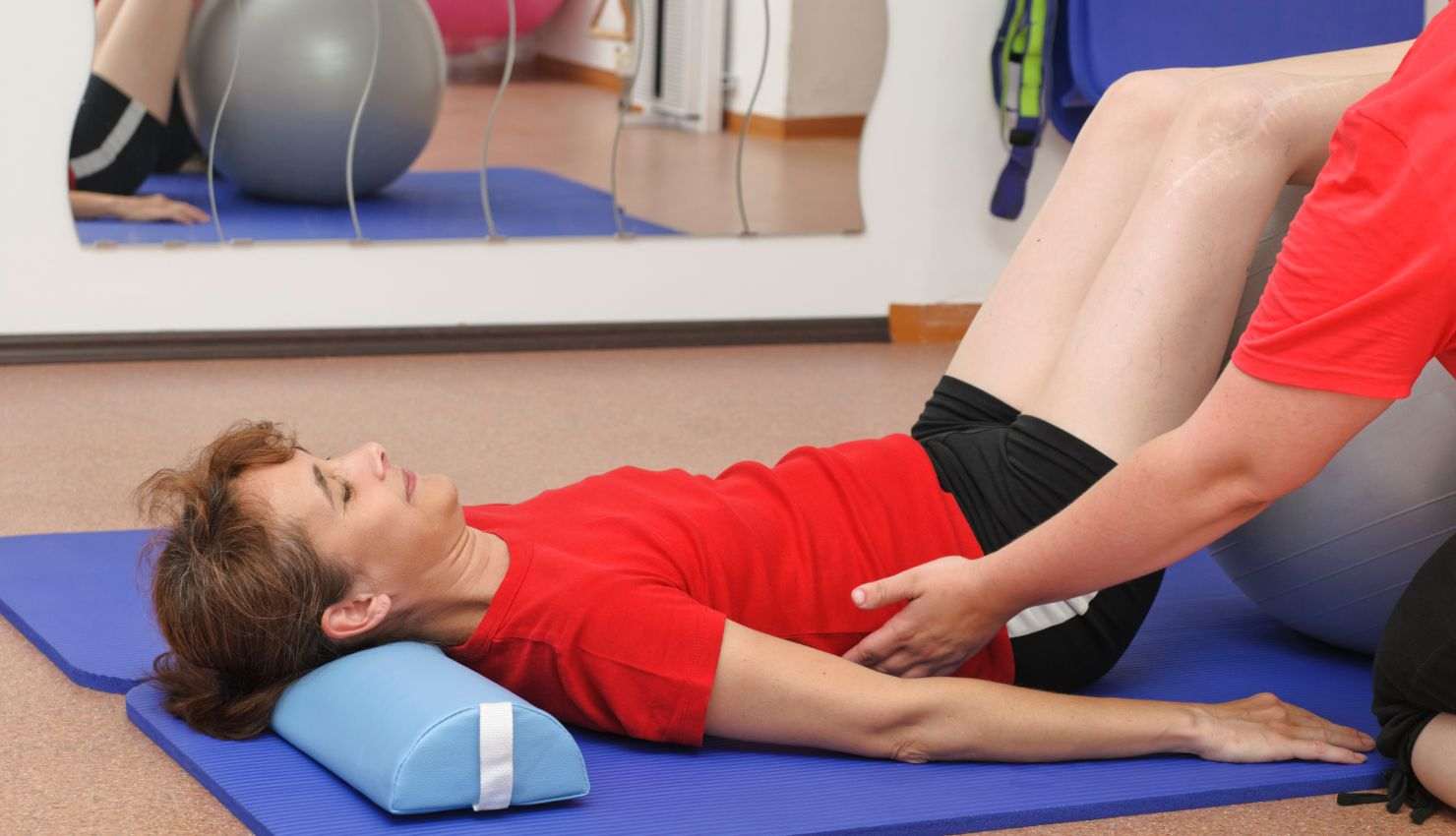
Movement therapy plays a vital role in helping injured athletes recover faster, rebuild strength safely, and return to sport with reduced risk of reinjury. Unlike conventional rest-focused recovery, movement therapy emphasizes controlled, progressive, and functional movement to restore joint mobility, muscular balance, coordination, and overall performance.
?? What Is Movement Therapy?
Movement therapy is a rehabilitative approach that uses guided and purposeful motion to:
Improve range of motion
Restore motor control
Rebuild strength and stability
Correct movement patterns
Accelerate healing and tissue remodeling
It combines techniques from physical therapy, sports rehab, neuromuscular re-education, and biomechanics.
?? Key Benefits for Injured Athletes
Benefit How It Helps Recovery
Accelerates tissue healing Encourages blood flow and nutrient delivery to injured tissues
Reduces stiffness and pain Promotes joint mobility and reduces inflammation through gentle motion
Restores proper movement patterns Re-teaches correct biomechanics to avoid compensation and reinjury
Maintains strength and mobility Prevents deconditioning of unaffected muscles during recovery
Improves neuromuscular control Enhances proprioception, balance, and coordination after injury
Builds confidence Encourages safe, progressive return to activity with mental readiness
??? Common Techniques Used
Active-Assisted and Passive Movements
To restore range of motion without overloading healing tissue.
Isometric Strengthening
Early-stage strengthening that avoids joint strain while activating key muscles.
Progressive Resistance Exercises
Gradual loading of muscles and tendons to restore strength and prevent atrophy.
Balance and Proprioception Training
Especially vital for lower limb injuries (ankle, knee, hip).
Functional Movement Patterns
Training real-life sport-specific actions (e.g., cutting, pivoting, jumping).
Corrective Exercises
Addressing muscle imbalances or faulty biomechanics that may have contributed to injury.
? Examples by Injury Type
Injury Movement Therapy Focus
ACL/Knee injuries Quad/glute activation, gait retraining, lateral step drills
Ankle sprains Balance exercises, calf raises, dorsiflexion mobility drills
Hamstring strains Controlled eccentric loading, hip-hinge patterns
Shoulder dislocations Scapular control, rotator cuff stability, overhead mobility
Groin/hip strains Lateral lunges, core strengthening, adductor activation
Low back pain Core stabilization, hip mobility, spinal segmental motion
?? Phases of Recovery with Movement Therapy
Phase Goals Example Activities
Acute (01 weeks) Reduce pain/swelling, protect injury Gentle ROM, isometrics, breathwork
Subacute (13 weeks) Restore ROM, begin muscle activation Controlled mobility drills, balance exercises
Rehabilitation (36 weeks) Rebuild strength and endurance Resistance training, functional movement patterns
Return to play (6+ weeks) Sport-specific agility, speed, and neuromuscular control Plyometrics, sprint drills, agility ladder work
?? Integrating Mental and Emotional Recovery
Movement therapy also supports mental health during recovery, helping athletes:
Reconnect with their body
Reduce anxiety about reinjury
Maintain motivation and focus
Rebuild trust in their movement capabilities
Mindful movement, breathwork, and gradual progression are essential components.
?? Real-World Impact
Athletes who engage in structured movement therapy:
Experience faster return-to-play times
Have lower recurrence rates of the same injury
Maintain higher performance levels post-recovery
Reduce the likelihood of secondary injuries
? Summary
Movement therapy helps injured athletes by:
Accelerating recovery through intelligent, low-stress movement
Restoring strength, balance, and coordination
Preventing compensatory patterns and reinjury
Rebuilding sport-specific performance and confidence