Movement therapy plays a key role in preventing joint degeneration by keeping joints mobil…

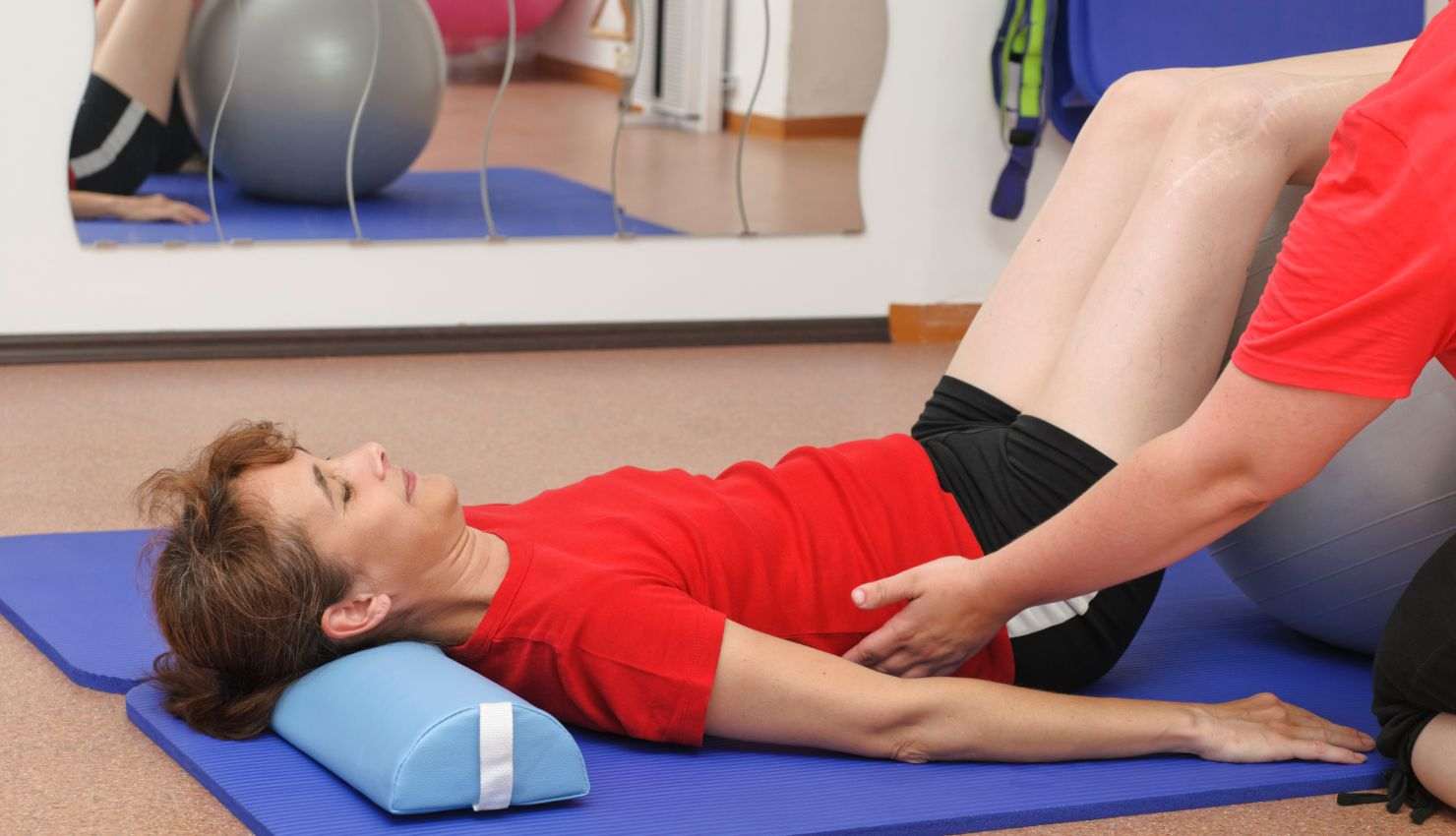
Movement therapy plays a key role in preventing joint degeneration by keeping joints mobile, muscles balanced, and movement patterns efficient. Conditions like osteoarthritis, degenerative disc disease, and cartilage wear often result from poor joint mechanics, inactivity, repetitive strain, or misalignment. Movement therapy addresses these root causes with targeted exercises and mindful motion strategies.
?? What Is Joint Degeneration?
Joint degeneration is the gradual breakdown of:
Cartilage, which cushions bones
Synovial fluid, which lubricates joints
Bone surfaces, leading to pain, stiffness, and decreased mobility
Common causes include:
Repetitive stress or poor biomechanics
Inactivity and joint immobility
Muscle imbalances or weakness
Poor posture or movement patterns
Aging and previous injuries
? How Movement Therapy Protects Joints
Therapeutic Focus How It Prevents Degeneration
Improves joint mobility Encourages full, healthy range of motion and prevents stiffness
Promotes synovial fluid flow Nourishes cartilage and reduces friction
Corrects movement mechanics Reduces uneven loading that can wear down joints
Strengthens supportive muscles Stabilizes joints and prevents abnormal stress
Enhances alignment and posture Reduces strain on knees, hips, spine, and shoulders
Encourages consistent low-impact motion Prevents joint stagnation and maintains flexibility
?? Key Movement Therapy Techniques for Joint Health
Joint Mobility Drills
Gentle, controlled movement to maintain or improve range of motion
Example: Ankle circles, shoulder rolls, hip CARs (Controlled Articular Rotations)
Low-Impact Functional Exercises
Strengthen around the joint without excessive load
Example: Resistance band work, mini squats, modified lunges
Postural Re-Education
Aligns the spine and pelvis to reduce uneven joint stress
Example: Wall alignment drills, core engagement in standing tasks
Corrective Movement Patterns
Fixes faulty gait, lifting, or reaching mechanics
Example: Step retraining, glute activation before squats
Isometric Stabilization
Builds endurance in joint-stabilizing muscles
Example: Static holds like planks, wall sits, glute bridges
Breath and Core Integration
Supports spine and pelvic alignment through intra-abdominal pressure control
Example: Diaphragmatic breathing with pelvic floor engagement
?? Areas of the Body Most Affected by Joint Degeneration
Joint Movement Therapy Focus
Knees Strengthen glutes/quads, improve hip/knee alignment, mobility drills
Hips Increase mobility, activate deep stabilizers, correct movement patterns
Spine Core stabilization, postural alignment, spinal mobility
Shoulders Rotator cuff strengthening, scapular control, thoracic mobility
Hands/Wrists Mobility and strength with grip training and ergonomic movement
Ankles Balance, proprioception, mobility to support knee and hip mechanics
?? The Role of Movement Frequency
Joints need regular, varied movement to stay healthy. Movement therapy encourages:
Daily low-load motion (walking, gentle flows)
Variety in movement patterns to reduce overuse
Micro-breaks for joint nourishment, especially during sedentary tasks
Even 510 minutes daily of joint-specific movement therapy can significantly improve longevity and function.
? Summary
Movement therapy helps prevent joint degeneration by:
Keeping joints mobile, nourished, and pain-free
Promoting alignment and stability
Reducing wear-and-tear from poor movement mechanics
Supporting long-term mobility, independence, and comfort