Leg and ankle injuries are common in both athletes and non-athletes and can result from sp…

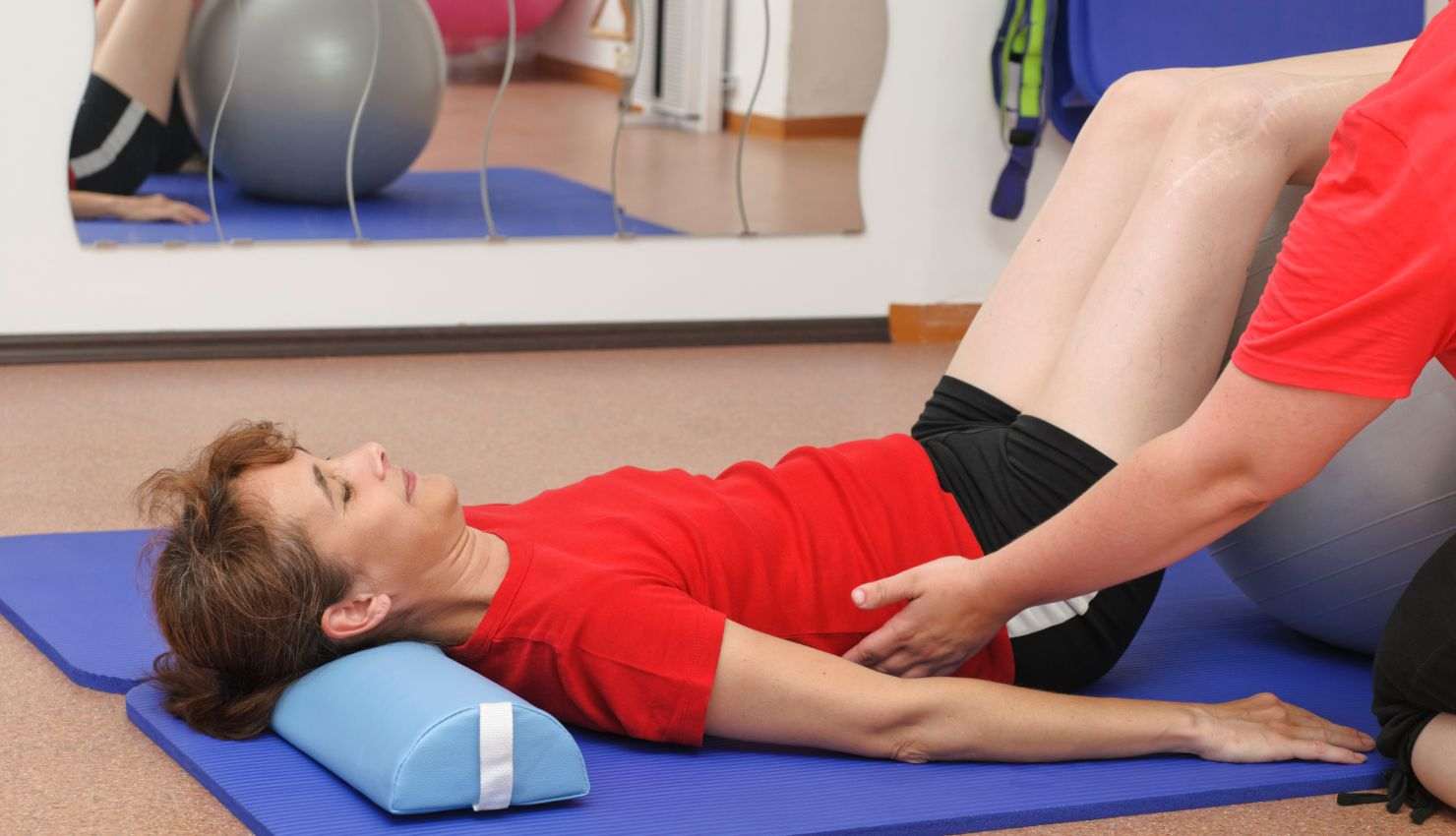
Leg and ankle injuries are common in both athletes and non-athletes and can result from sprains, fractures, overuse, or post-surgical recovery. These injuries often compromise mobility, balance, strength, and joint stability. Movement therapy plays a crucial role in restoring proper function, reducing pain, and preventing future re-injury by using controlled, purposeful movement.
?? Common Leg and Ankle Injuries Treated with Movement Therapy
Ankle sprains and instability
Achilles tendonitis or tears
Shin splints
Patellar tendinopathy
Stress fractures in the tibia or fibula
Calf strains
Post-operative recovery (e.g., ACL reconstruction, ankle ORIF)
?? Goals of Movement Therapy in Leg & Ankle Rehab
Therapeutic Goal Why It Matters
Restore range of motion Reduces stiffness and joint immobility
Improve muscle strength Targets leg and ankle stabilizers to support movement
Rebuild balance and proprioception Prevents re-injury and improves coordination
Correct gait patterns Restores normal walking and weight distribution
Enhance circulation and healing Encourages blood flow for tissue repair
Support return to function/sport Safely transitions individuals back to work, sport, or daily activities
?? Phases of Movement Therapy for Leg & Ankle Injuries
1. Acute Phase (01 week post-injury)
Focus: Reduce inflammation and pain
Therapy: Rest, ice, compression, elevation (RICE), gentle passive ROM
2. Subacute Phase (13 weeks)
Focus: Initiate movement and regain mobility
Therapy: Active ROM exercises, ankle alphabet, towel curls, light stretching
3. Recovery Phase (36 weeks)
Focus: Strengthening and neuromuscular control
Therapy: Resistance band exercises, weight-bearing progressions, single-leg stance
4. Return to Activity Phase (6+ weeks)
Focus: Restore function and prevent recurrence
Therapy: Hops, agility drills, balance board, sport-specific training
????? Effective Movement Therapy Exercises
For Ankle Injuries:
Ankle Circles / Alphabet Improve joint mobility
Calf Raises (double/single leg) Strengthen calf and foot muscles
Resistance Band Eversion/Inversion Strengthen stabilizers
Towel Scrunches / Marble Pickups Target intrinsic foot muscles
For Leg Injuries:
Quad Sets and Straight Leg Raises Build knee extension strength
Bridges and Step-Ups Target glutes, hamstrings, and hip control
Wall Sits / Partial Squats Develop functional leg strength
Lateral Band Walks Improve hip stability and alignment
?? Balance and Proprioception Training
Rebuilding neuromuscular control is essential after any leg or ankle injury:
Single-leg stands on unstable surfaces (foam, balance disc)
Eyes-closed balance drills
Dynamic stability: hop-to-balance, agility ladder
Wobble board or BOSU training
?? Safety Tips
Avoid high-impact loading in early stages
Always perform movements in pain-free range
Work under the guidance of a physical therapist when returning from surgery or complex injury
Use bracing or taping if recommended to support stability during early rehab
? Summary
Movement therapy is vital for treating leg and ankle injuries by:
Promoting safe healing and reducing stiffness
Strengthening supportive muscles and correcting imbalances
Restoring proper gait, posture, and joint function
Enhancing balance, agility, and coordination