Your pelvic floor muscles play a crucial role in supporting your bladder, bowel, and reproductive organs. For women, especially during pregnancy, postpartum recovery, perimenopause, and menopause, pelvic floor health is essential to maintaining core strength, bladder control, and sexual well-being.

Your pelvic floor muscles play a crucial role in supporting your bladder, bowel, and reproductive organs. For women, especially during pregnancy, postpartum recovery, perimenopause, and menopause, pelvic floor health is essential to maintaining core strength, bladder control, and sexual well-being. Yet, many women overlook these muscles until they experience symptoms such as incontinence, pelvic pain, or prolapse. The good news is that pelvic floor strength can be improved at any stage of life with the right knowledge and exercises.
What Are the Pelvic Floor Muscles?
The pelvic floor is a group of muscles and connective tissue that form a sling-like support structure at the base of the pelvis. These muscles contract and relax to control the release of urine and stool, stabilize the spine and pelvis, and support internal organs such as the bladder, uterus, and rectum.
When these muscles are weak or imbalanced, women may face issues such as urinary leakage, pelvic organ prolapse, painful intercourse, or even lower back pain. Strengthening the pelvic floor isnt just about addressing symptomsits a preventive step towards lifelong pelvic health.
Signs Your Pelvic Floor Needs Strengthening
Pelvic floor dysfunction doesnt always present in obvious ways. Here are some signs that may indicate your pelvic floor muscles need targeted strengthening:
Leaking urine during coughing, sneezing, laughing, or exercising
A frequent or sudden urge to urinate
A heavy or dragging sensation in the pelvis
Pain during intimacy
Difficulty emptying the bladder or bowel completely
Poor posture or core instability
These symptoms can affect women of all ages, from postpartum mothers to menopausal women and even young athletes. Early attention to pelvic floor health can prevent more serious complications down the line.
Benefits of Strong Pelvic Floor Muscles
Investing in pelvic floor strength has both physical and emotional benefits. Improved pelvic muscle tone can lead to:
Reduced risk of urinary and fecal incontinence
Better sexual function and satisfaction
Enhanced core strength and postural support
Easier childbirth and faster postpartum recovery
Prevention or delay of pelvic organ prolapse
Decreased pelvic and lower back pain
Most importantly, strengthening these muscles empowers women with better control over their bodies and health.
Best Exercises to Strengthen Your Pelvic Floor
You dont need expensive equipment or a gym membership to begin. Pelvic floor exercises, often called Kegels, can be done at home, in the office, or while lying in bed.
1. Kegel Exercises
Kegels involve contracting and relaxing the pelvic floor muscles, similar to the motion used to stop urination midstream. To do a Kegel:
Sit or lie down in a comfortable position.
Tighten the muscles you would use to stop urinating.
Hold the contraction for 5 seconds, then relax for 5 seconds.
Repeat 10 to 15 times in a row, 3 times a day.
Be careful not to contract surrounding muscles such as the abdomen or glutes. Focus on isolating the pelvic floor for maximum benefit.
2. Bridge Pose with Pelvic Activation
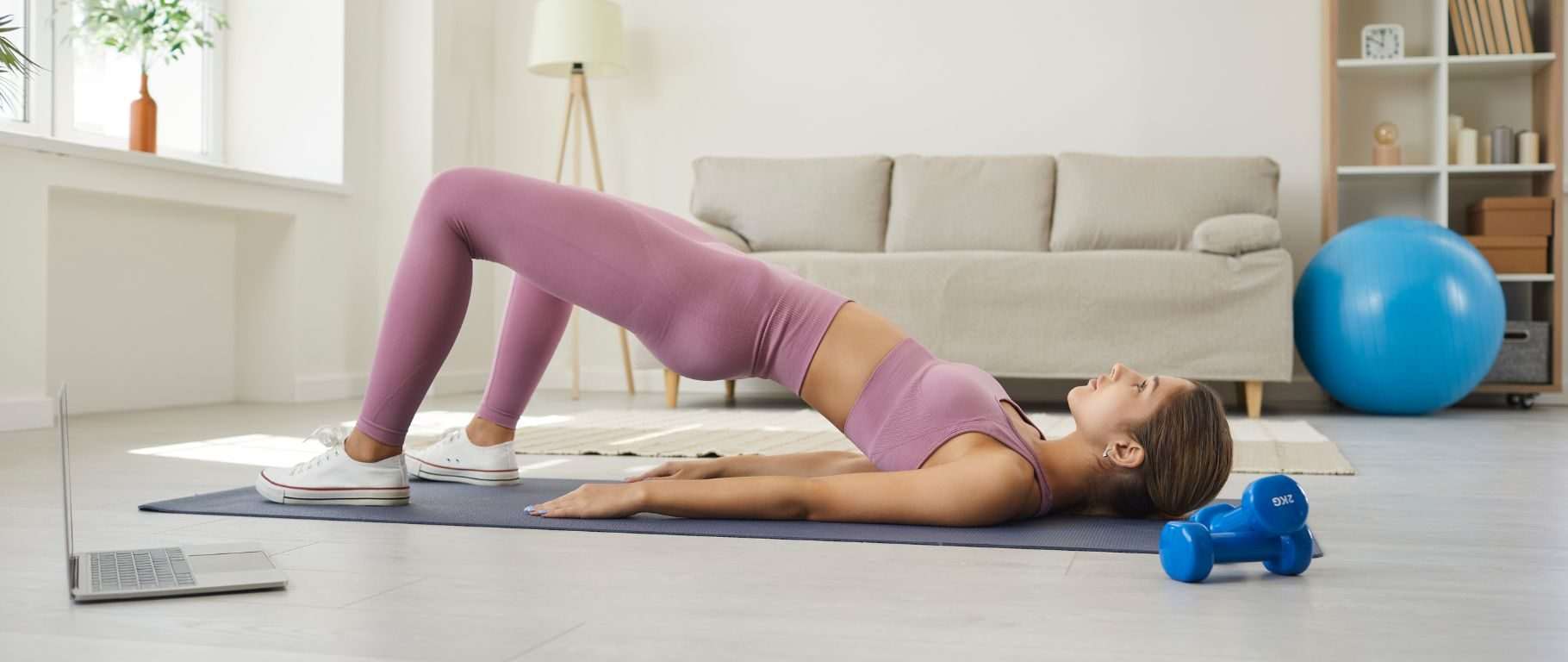
Lie on your back with knees bent and feet flat on the floor. As you lift your hips into a bridge, engage your pelvic floor muscles. Lower your hips while relaxing the muscles. This not only strengthens the pelvic floor but also supports the glutes and lower back.
3. Deep Core Breathing
Diaphragmatic breathingalso called 360° breathingcoordinates your breath with pelvic floor activation. Inhale deeply through the nose, expanding your rib cage and abdomen, then exhale slowly while gently engaging your pelvic floor. This builds awareness and strength without high impact.
4. Squats with Engagement
During a bodyweight squat, add a gentle contraction of the pelvic floor as you rise back to standing. This functional movement helps integrate pelvic floor strength into daily activity.
Common Mistakes to Avoid
When strengthening the pelvic floor, avoid these common pitfalls:
Overtraining: Constantly clenching your pelvic muscles can lead to tightness and pain. Rest and relaxation are just as important as strength.
Wrong Muscle Engagement: Many women mistakenly tighten their glutes, abs, or thighs instead of isolating the pelvic floor.
Holding Your Breath: Breathing steadily helps coordinate your diaphragm and pelvic floor for effective movement and stability.
Not Seeking Professional Guidance: If youre unsure whether youre doing the exercises correctly, a pelvic health physiotherapist can guide you through an individualized program.
When to See a Pelvic Floor Physiotherapist
Even with regular practice, some women may find that pelvic floor issues persist. If you’re dealing with chronic symptoms such as incontinence, pelvic pain, prolapse, or postpartum recovery challenges, working with a pelvic floor physiotherapist in Canada can be transformative.
A trained physiotherapist can:
Perform a physical assessment to identify weaknesses or imbalances
Teach you how to correctly perform pelvic floor exercises
Use biofeedback and other tools to enhance results
Develop a full-body program that includes posture, breathwork, and movement retraining
At YourFormSux, we believe pelvic health is foundational, not optional. Our expert physiotherapy services in Canada are designed to help women of all ages regain control, comfort, and confidence.
Making Pelvic Floor Health Part of Your Routine
Consistency is key. To incorporate pelvic floor work into your life:
Set reminders to do Kegels while brushing your teeth or commuting
Pair exercises with activities like reading or watching TV
Include pelvic floor checks in your wellness routine, just like dental care or fitness
Choose products, clothing, and seating that support pelvic alignment
Final Thoughts
Pelvic floor strength is about more than just preventing leakage or discomfortits about building a strong foundation for your entire body. Whether you’re postpartum, approaching menopause, or simply want to invest in your health, it’s never too late to start.
Take action today to strengthen your pelvic floor muscles for better health, posture, function, and quality of life. Your body will thank you for years to come.