When we talk about womens wellness, pelvic health and mental well-being often feel like two separate conversations. But in reality, they are deeply interconnected.

When we talk about womens wellness, pelvic health and mental well-being often feel like two separate conversations. But in reality, they are deeply interconnected. At YourFormsUX, we understand that pelvic wellness impacts not just physical comfort, but emotional resilience, stress management, and overall mood. In this article, we explore the vital connection between pelvic health and mental wellness in women, using evidence-based insights and practical strategies to empower readers in Canada and beyond.
From chronic tension in the pelvic floor to the emotional wear of pelvic pain, many women face conditions that extend beyond the physical realm. Pelvic floor dysfunction, incontinence, pelvic organ prolapse, endometriosis, and vulvodynia are more than just medical diagnosesthey can sow the seeds of anxiety, depression, and diminished self-esteem. By shining a light on this mindbody relationship, YourFormsUX aims to offer a fresh perspective rooted in both clinical best practices and emotional empathy.
The PelvicMind Mindset: How Physical Tension Affects Emotions
The pelvic floor isnt just a set of musclesits a core component of our central nervous system feedback loop. When a woman experiences chronic pain or tension in pelvic muscles, the sympathetic nervous system (our stress response) can become hyperactive. This means cortisol levels stay elevated, fueling anxiety and even sleep disturbances.
For example, pelvic floor muscle hypertonicitywhere muscles are chronically tightcan trigger stress responses and lead to a vicious cycle. Pain creates anxiety, anxiety leads to more muscle tension, and so on. Many women describe this as I feel like I’m in fight or flight all the time. This connection between pelvic tension and emotional health shows why holistic pelvic wellness is essential for mental health.
Pelvic Pain and Mood Disorders: More Than Coincidence
Research has long shown that chronic pelvic pain and mood disorders often go hand-in-hand. One study found that women with conditions like endometriosis or interstitial cystitis had significantly higher rates of depression and anxiety compared to those without.
Why does this happen? Pain is not just a physical sensationits an emotional experience. Persistent pelvic pain disrupts daily routines, reduces quality of life, and makes simple tasks burdensome. Over time, this emotional burden can lead to diminished self-worth, social withdrawal, and even clinical depression.
Incontinence or pelvic organ prolapse (POP) can also affect mental health. The fear of leakage or the embarrassment of prolapse symptoms may lead women to avoid social or physical activities. The result? Isolation, low self-esteem, and feelings of shame. Its a reminder that supporting pelvic wellness is also an investment in emotional resilience.
Hormonal Harmony: The Endurance of Estrogen and Oxytocin
Hormones play a critical role in both pelvic and mental health. Estrogen affects vaginal tissue, pelvic floor elasticity, and mood stability. Similarly, oxytocinthe bonding hormonefacilitates emotional connection and relaxation, but also affects uterine function and pelvic comfort.
Declines in estrogen, such as during perimenopause or postpartum recovery, can cause pelvic floor weakness and atrophy. This often leads to discomfort with sex, bladder leaks, or pelvic heaviness. These symptoms can worsen anxiety, disrupt intimacy, and trigger mood swings.
At the same time, oxytocins calming effects are intertwined with pelvic sensations. Engaging in pelvic floor exercises, breathing techniques, and self-care can stimulate oxytocin release and foster a sense of emotional calm. In this way, pelvic wellness routines double as mood-enhancing, stress-relieving practices.
MindBody Therapeutics: Pathways to Dual Wellness
Here at YourFormsUX, we believe in empowering women with integrative methods that serve both pelvic and mental wellness.
1. Pelvic Floor Rehabilitation and Biofeedback
Working with a pelvic floor physiotherapist can help women learn to relax, coordinate, or strengthen pelvic muscles. Biofeedback tools offer real-time visual or auditory cues, helping patients retrain their pelvic muscles and reduce pain triggers. This physical progress often fosters emotional growth through a renewed sense of control and self-efficacy.
2. Mindfulness and Breath-Centered Practices
Mindbody interventions like mindfulness meditation, diaphragmatic breathing, and body scans help release tension throughout the pelvic floor and nervous system. Just five minutes of focused breathing can calm the amygdala, lower heart rate, and reduce pelvic tension. Many women describe these practices as a reset button for my body and mind.
3. Cognitive Behavioral Therapy (CBT)
CBT offers tools to change thought patterns that perpetuate pain and anxiety. Women reporting pelvic pain often have anticipatory anxiety (What if it hurts again?) or fear-avoidance beliefs (Maybe I shouldnt exercise, just in case ). CBT helps women reframe these thoughts, enabling healthier coping strategies and emotional resilience.
4. Movement-Based Approaches
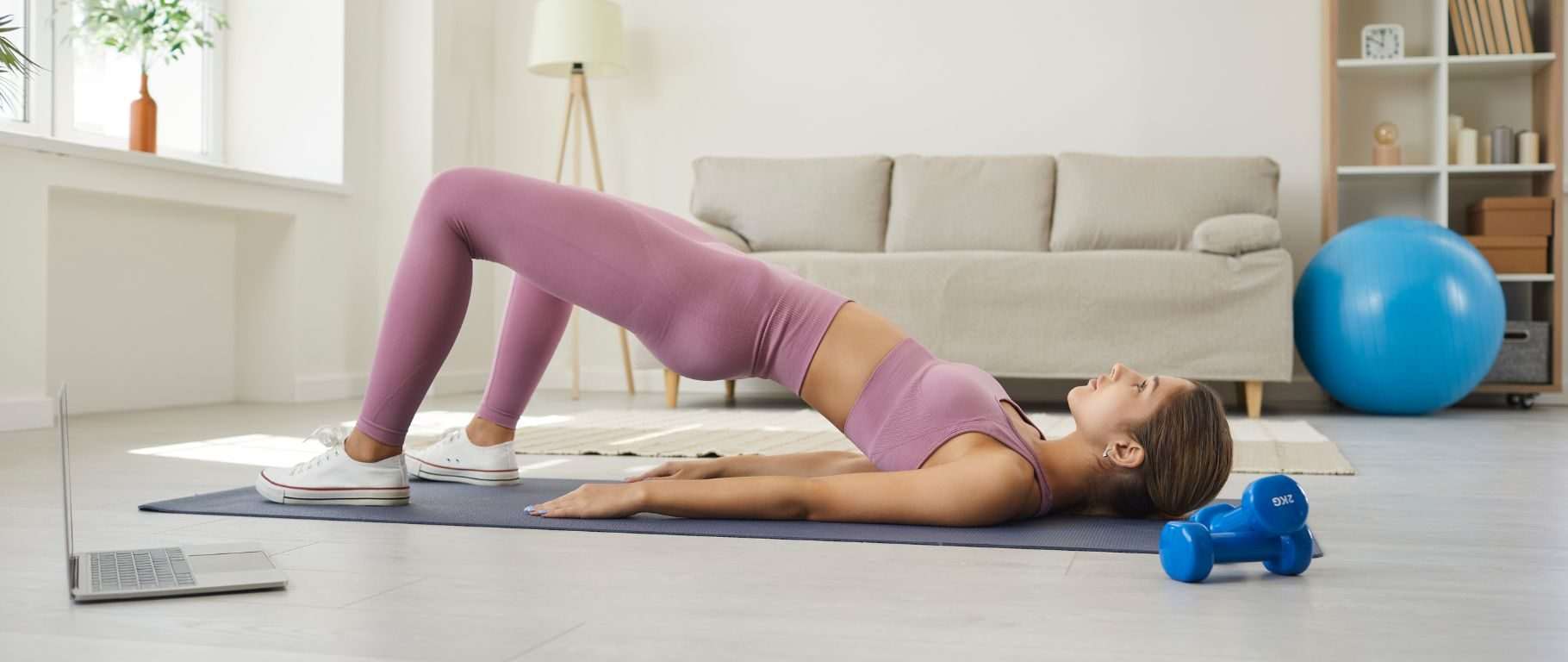
Gentle yoga, pelvic floor-specific exercise routines, and low-impact pilates are effective non-invasive tools. They enhance pelvic muscle function, foster body awareness, and encourage mood-enhancing endorphin release. Completing a yoga session that targets the pelvis can feel cathartic both physically and mentally.
5. Peer Support and Health Coaching
Sometimes, emotional health grows from shared experiences. Online forums, support groups, pelvic health clinics, or trauma-informed health coaching can offer validation and reduce feelings of shame. Knowing youre not alone is a powerful antidote to isolation and mental overwhelm.
A Holistic Prescription for Pelvic and Mental Health
When addressing womens pelvic wellness, heres a multifaceted blueprint that nurtures both body and mind:
Begin with an assessment for pelvic dysfunction (pain, tone, prolapse, incontinence).
Collaborate with practitioners specialized in pelvic rehab and mental health.
Create a personalized treatment plan emphasizing muscle coordination, stress reduction, and symptom resilience.
Build daily routines using breathwork, pelvic floor awareness, and gentle movement.
Monitor your mental health with tools like thought logs, mood apps, or journaling.
Advocate for yourselfespecially with cliniciansto ensure your emotional experiences are acknowledged.
Connect with others to build community and shared understanding.
Final Thoughts
Pelvic wellness is far more than pelvic floor fitnessits a gateway to emotional vitality. When women learn to unlock pelvic harmony, they often experience profound shifts in mood, confidence, and overall well-being.
At YourFormsUX, were dedicated to sharing how interconnected our physical and emotional selves truly are. By weaving pelvic health into mental health strategies, women can reclaim comfort, performance, and resiliencefrom the core outward.
Every breath, every exercise, every mindful moment is an investment in both pelvic and emotional wellness. In Canada and beyond, lets continue the conversation: pelvic health is womens healthand mental health is an essential part of that story.