A Stronger Core Means a Stronger You Pelvic floor physiotherapyalso known as pelvic floor muscle trainingis a proven, non?surgical approach to managing urinary incontinence in both women and men. In Canada, over three million adults experience bladder leakage at some point.

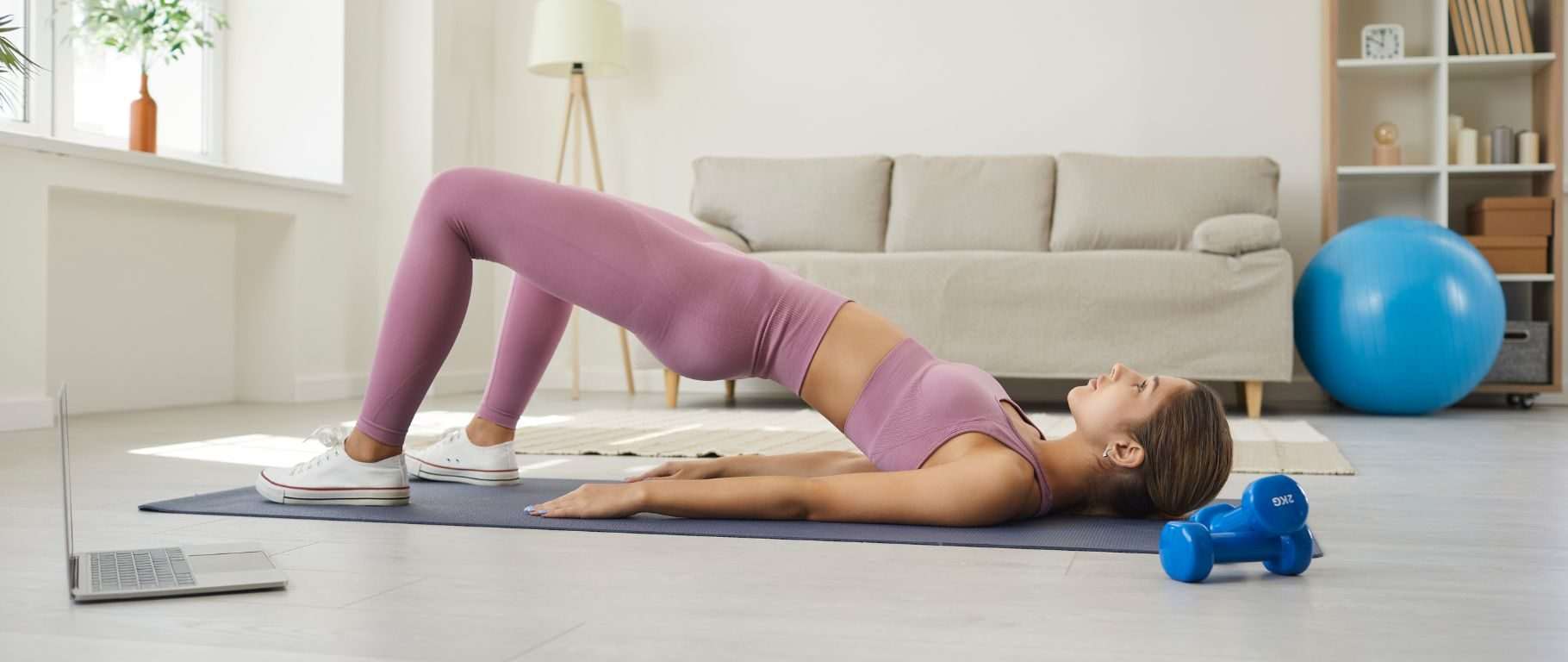
A Stronger Core Means a Stronger You
Pelvic floor physiotherapyalso known as pelvic floor muscle trainingis a proven, non?surgical approach to managing urinary incontinence in both women and men. In Canada, over three million adults experience bladder leakage at some point. Whether its stress urinary incontinence during a sneeze or urge incontinence that interrupts day?to?day life, an individualized physiotherapy plan can rebuild muscle control, restore confidence, and reduce reliance on pads and medications.
As a reputable Canadian pelvic health clinic, YourFormsUX (YFS) uses evidence?based pelvic floor exercises to treat incontinence issues stemming from childbirth, menopause, prostate surgery, obesity, chronic coughing, or pelvic surgery. Whether youre a new parent or a senior homeowner, pelvic floor rehabilitation offers a sustainable, long?term solution.
Why Pelvic Floor Muscles Matter More Than You Think
The pelvic floor is a hammock of muscles, ligaments, and connective tissue supporting the bladder, bowel, and, in people born male, the prostate. These muscles maintain continence by controlling bladder openings and supporting pelvic organs. When weakenedby childbirth, ageing, or chronic health issuesthey lose tone, leading to leakage when coughing, lifting, or laughing.
Pelvic floor muscle training (PFMT) works by strengthening these muscles, increasing endurance, and restoring neuromuscular control. Clinical studies show that committed PFMT can reduce stress urinary incontinence episodes by up to 70%. Moreover, when delivered by a qualified pelvic floor physiotherapist, women whove had C?sections, vaginal births or suffer from overactive bladder often experience quicker and more sustainable results.
Who Benefits From Pelvic Floor Physiotherapy in Canada?
Postpartum women experiencing urge or stress incontinence after delivery.
Women in perimenopause or menopause dealing with hormonal changes that compromise pelvic muscle integrity.
Men after prostatectomy (prostate removal) facing urinary leakage.
Athletes, fitness enthusiasts, manual labourers prone to pelvic floor strain from heavy lifting.
Seniors with frailty or chronic respiratory disease, both linked to increased leakage risk.
PFMTs beauty lies in its adaptability. YFS physiotherapists tailor plans based on pelvic floor muscle assessment, urinary symptom history, and lifestyle. Whether you want to avoid pads or cut down on medication, pelvic strengthening can be your best ally.
What to Expect: A Canadian Physiotherapy Journey
1. Comprehensive Initial Assessment
YourFormsUX clinicians conduct a detailed intake, discussing urinary habits, medical history, and toileting routines. A digital form captures urgency frequency, leakage episodes, and pain symptoms. Internal pelvic examination (when appropriate and consented) helps assess tone, strength, coordination, and pelvic organ prolapse.
2. Personalized Pelvic Floor Exercise Regimen
After assessment, a physiotherapist prescribes customized exercisestypically a combination of slow?twitch endurance holds and fast?twitch quick flicks. Exercises may involve:
Kegel contractions to isolate pelvic floor muscles.
Down?training techniques for overactive bladder control.
Core stabilization drills to reinforce the transverse abdominus and multifidus.
Breathing synchronization to prevent compensatory straining.
3. Biofeedback and Home Exercise Tools
At YFS, tools such as biofeedback devices, home?based electrical muscle stimulators, or vaginal weights improve proprioception and engagement. These innovations help clients feel exactly which muscles are contracting and monitor progress over timenot relying on guesswork.
4. Education and Lifestyle Modification
Pelvic floor physiotherapy goes beyond the clinic. YFS provides education on:
Bladder retraining strategies, such as scheduled voiding.
Weight management and nutrition, since excess weight pressures the pelvic floor.
Fluid intake habits to strike a balance between hydration and bladder control.
Ergonomic adaptations, like pelvic?friendly posture at work or during exercise.
5. Ongoing Monitoring and Reassessment
Every few weeks, clinicians review your continence journal, adjust exercise intensity, and add new challenges to build progression. Objective outcome measureslike 24?hour pad tests, perineometry, or validated questionnaires (e.g., ICIQ?SF)ensure steady improvement and motivate continued effort.
Real?World Success: Long?Term Wins
Consider Sarah, age 50, a menopause transition homeowner in Toronto, who struggled with leakage during her home renovation weekends. After eight weeks of pelvic floor rehabilitationstructured daily cues and strength trainingshe reported over 90% reduction in leakage. She now uses YFS?designed apps for ongoing pelvic check?ins and has stopped buying disposable pads altogether.
Men arent left out. Canadian men post?radical prostatectomy have shown 5080% recovery in continence within six months when pelvic floor physiotherapy begins promptlyreducing pad use and boosting quality of life.
Why Choosing the Right Physiotherapy Clinic Matters
Not all pelvic floor physiotherapists are equal. Effective programs require:
Specialized pelvic health trainingbeyond general physiotherapy accreditation.
Access to real?time biofeedback or ultrasoundto confirm correct muscle activation.
Individualized exercise progression, not generic 3 sets of 10 Kegels.
Emphasis on behavioural and lifestyle coaching, not just muscle training.
At YourFormsUX, your care team includes certified pelvic health physiotherapists, online guided tracking tools, and regular check?ins. This combination ensures that efforts translate into meaningful control.
Bringing It All Together
Urinary incontinence can feel isolatingbut pelvic floor physiotherapy offers a clear path to regain control. By rebuilding pelvic floor strength, retraining bladder habits, and adopting smart lifestyle changes, most clients reduce or eliminate leakage. This approach is clinically validated, cost?effective, and avoids surgery.
If youre a Canadian adult coping with bladder leakage during daily activitiesexercise, lifting your toddler, or even a simple coughcontact YFS today. Youll receive compassionate, expert-led pelvic floor rehabilitation that fits your life and lifestyle. With the right guidance, incontinence doesnt have to define your routinesor your confidence.
YourFormsUX is proud to support Canadians in taking control of their pelvic healthempowering independence, dignity, and well?being.
Call today or visit our website to begin your personalized pelvic floor therapy journey.