Reclaiming your strength and reclaiming your body after childbirth isnt just a luxuryits essential. Postpartum physiotherapy can make those first months easier, safer, and more empowering for new Canadian moms.

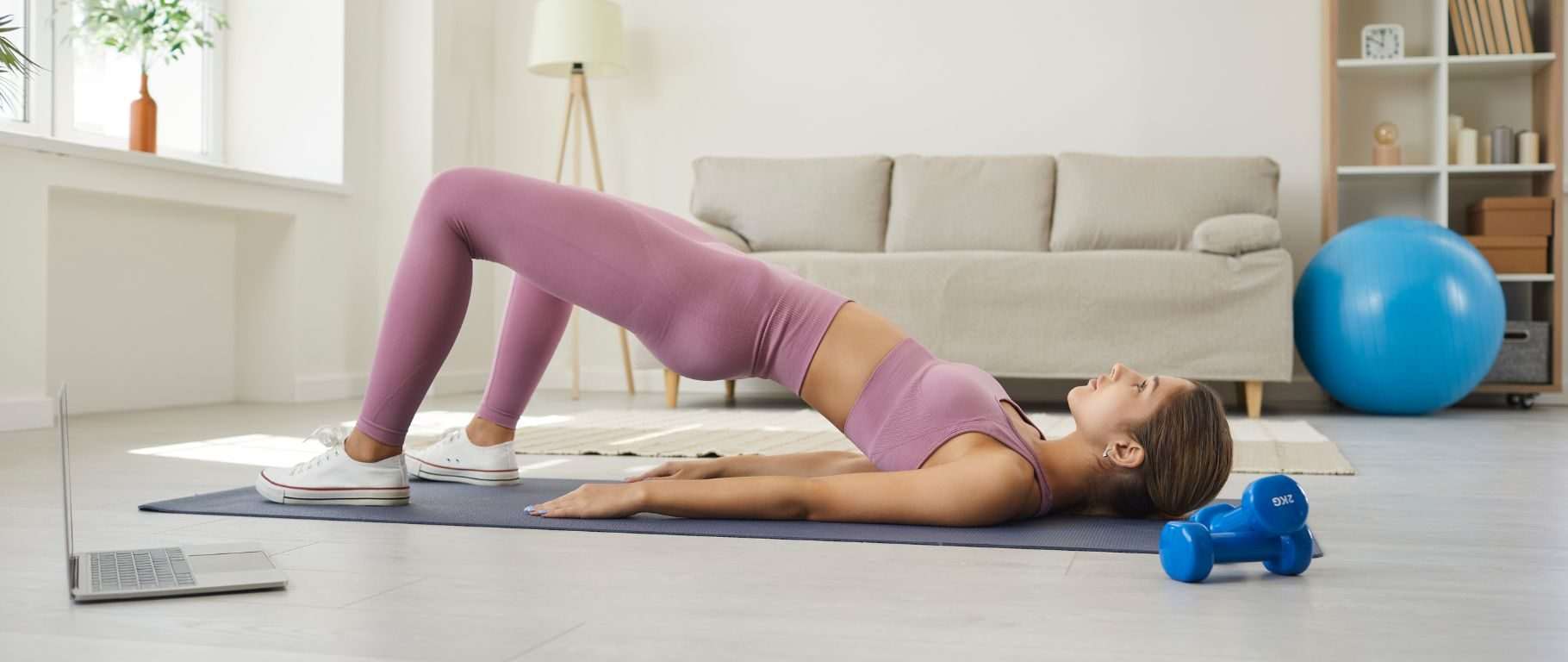
Reclaiming your strength and reclaiming your body after childbirth isnt just a luxuryits essential. Postpartum physiotherapy can make those first months easier, safer, and more empowering for new Canadian moms.
From pelvic-floor strengthening to posture realignment, heres how targeted physiotherapy can support your postpartum journey and accelerate your return to everyday life.
Understanding the Physical Demands of the Fourth Trimester
After giving birth, your body undergoes rapid changeshormonal shifts, weakened abdominal muscles, pelvic-floor trauma, and altered posture. These changes often lead to diastasis recti (separation of abdominal muscles), urinary incontinence, back pain, pelvic pain, and postural imbalances. Left unaddressed, they can affect your day-to-day energy, confidence, and long-term health.
Thats where postpartum physiotherapy comes in: an evidence?based, personalized approach to guide you safely through recovery.
Gentle Reintroduction of Movement
Physiotherapists create tailored programs focusing on low-impact, safe reactivation of core muscles, pelvic-floor strength, and posture. Techniques such as guided breathing, pelvic-floor contractions, and gentle core engagement foster neuromuscular reconnection without strain. This helps heal diastasis recti, restore bladder control, and relieve common low-back or pelvic pain.
Pelvic-floor Rehabilitation
Nearly 40?percent of new moms experience urinary incontinence in the first year postpartum. A physiotherapist can assess pelvic-floor functionusing non-invasive techniques to detect weakness or fascial adhesionsand prescribe biofeedback, manual therapy, or progressive exercises. These targeted interventions significantly reduce leakage and help normalize pelvic support during daily activities or exercise.
Managing Diastasis Recti and Core Strength
Separation of the rectus abdominis (diastasis recti) affects up to two-thirds of postpartum women. Left untreated, it can contribute to pelvic instability, hernias, and low-back discomfort. Postpartum physiotherapy addresses this with deep core activation, safe abdominal realignment, and functional retrainingessential for safe lifting, baby carrying, and posture restoration.
Back, Hip, and Pelvic Pain Relief
Hormone-driven laxity of connective tissue combined with repetitive bending brings common aches in the pelvis, hips, and spine. Manual therapy (mobilization, soft-tissue massage) and active stabilization work together to correct alignment, ease muscle tension, and restore coordination across the pelvic girdle, hips, and lumbar spine.
Posture Restoration and Ergonomic Coaching
Cradling, nursing, and carrying a newborn can strain the upper back, shoulders, and neckespecially in lactating or feeding positions. A physiotherapist will assess posture and provide ergonomic strategieslike breastfeeding posture, stroller setup, diaper-changing formto reduce strain. Core integration and scapular stabilization are woven into exercise routines to support long-term alignment habits.
Safe Return to Exercise and Functional Performance
Most fitness programs overlook postpartum-specific needssensitive pelvic floors, altered biomechanics, and weakened core muscles. Physiotherapists offer graded return-to-exercise plans that ensure safe reintroduction to cardio, strength training, or pelvic stability workouts. These customized plans help you regain pre-pregnancy fitness levels without risking injury, prolapse, or recurrent incontinence.
Integrating Mental and Holistic Support
The early postpartum period can be emotionally complex. Physiotherapists offer more than just physical carethey provide motivational support, reassurance, and mindful movement education. Learning breath?guided techniques, relaxation cues, and self-awareness of your pelvic region helps you reconnect with your body and reduce anxiety around injury or discomfort.
How YourFormsUx Can Amplify Support
While YourFormsUx doesnt provide physiotherapy directly, it facilitates better client communication and scheduling. A seamless booking process, intake forms tailored to postpartum concerns (e.g., birth modality, incontinence, diastasis assessment), and automated reminders ensure that new moms prioritize their rehab timeline. Efficient intake and follow-up data capture allows physiotherapists to optimize care, tailor progress tracking, and help moms bounce back faster.
Real-World Results
A recent study showed that weekly pelvic-floor physiotherapy in the first three months postpartum reduced urinary incontinence by over 60%.
Women who underwent structured core rehab reported 4050% fewer back?pain days at six months postpartum.
These benefits reflect a growing awareness around evidence?based postpartum careespecially in trained hands.
Regaining strength, reducing pain, restoring confidence. Thats the promise of physiotherapy for postpartum recovery. By addressing core integrity, pelvic-Floor function, and functional alignment, physiotherapists help new mothers move through life with lower aches, improved stamina, and the assurance that their body can keep up with motherhoods demands.
If youre ready to reclaim your postpartum health, talk to your physiotherapist todayor use YourFormsUx to streamline your path to therapy. Investing in evidence?based care now creates a foundation of strength for you and your familys well?being.