A well?rounded strategy to ease menstrual cramps and boost quality of life Many menstruators in Canada and beyond experience painful periodsmenstrual pain, menstrual cramps, or clinically, dysmenorrheathat disrupt work, school, and daily routines. Up to 90% report discomfort so severe it affects their performance and well?being sciencedirect.

A well?rounded strategy to ease menstrual cramps and boost quality of life
Many menstruators in Canada and beyond experience painful periodsmenstrual pain, menstrual cramps, or clinically, dysmenorrheathat disrupt work, school, and daily routines. Up to 90% report discomfort so severe it affects their performance and well?being
sciencedirect.com
+1
courses.pelvichealthsolutions.ca
+1
. But while NSAIDs or hormonal birth control are commonly prescribed, they dont suit everyone. Thats where physiotherapy comes in as a non?drug, evidence?based method to manage menstrual pain and support pelvic health.
Why explore physiotherapy for menstrual pain?
Primary dysmenorrhea stems from uterine contractions triggered by prostaglandins, leading to severe cramps, nausea, and lower?back discomfort
en.wikipedia.org
. Beyond pharmacology, physiotherapy interventions like therapeutic exercise, heat therapy, electrotherapy, and manual therapy offer holistic, low?risk alternativesand growing research supports their benefits.
How physiotherapy helps relieve period cramps
Targeted exercise programs
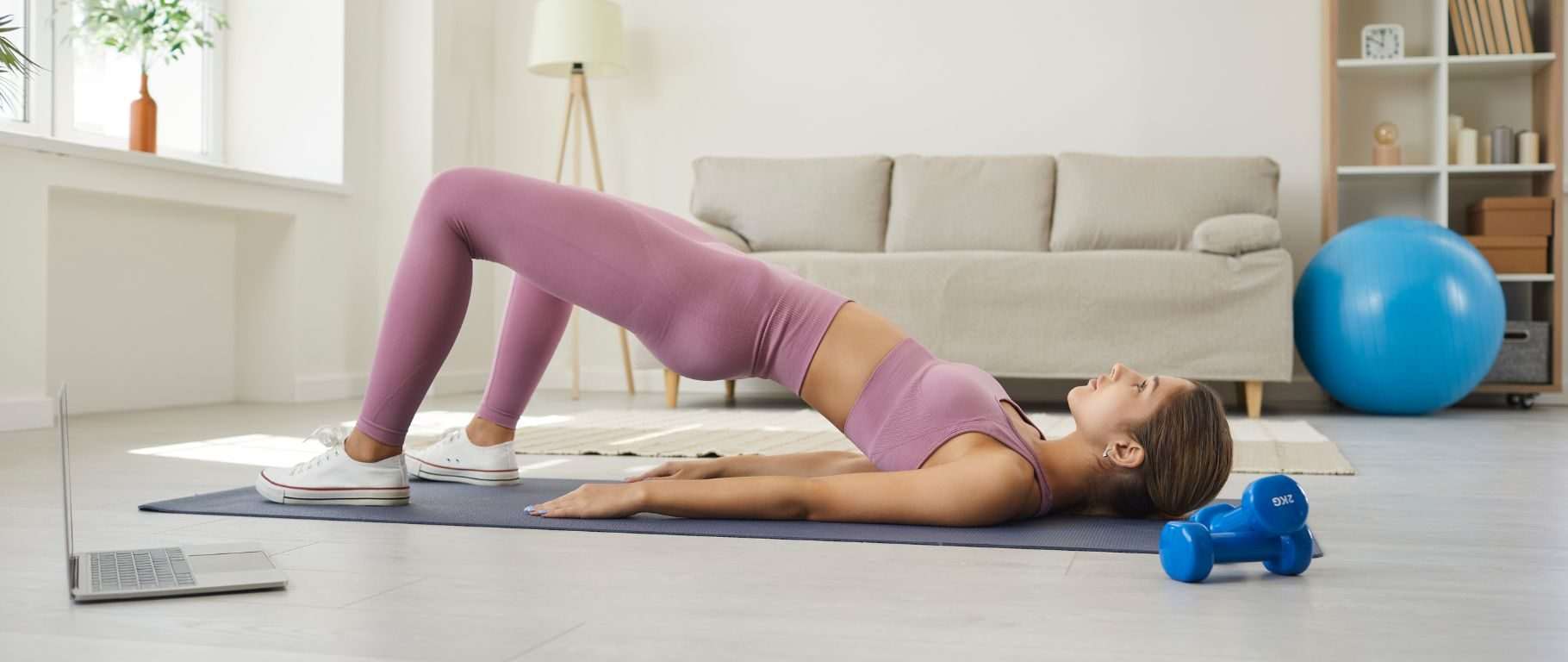
Clinical trials indicate that isometric strengthening, pelvic?floor exercises, yoga poses, core stretching, Pilates, and aerobic dance reduce menstrual pain intensity by 1025 mm on a 100?mm VAS scalean improvement often comparable to or better than no?treatment or placebo groups
sciencedirect.com
+3
pmc.ncbi.nlm.nih.gov
+3
researchgate.net
+3
. Consistent movement enhances pelvic blood flow, decreases prostaglandin levels, and boosts endorphins and mood
researchgate.net
+1
hingehealth.com
+1
.
For example:
Yoga flow integrating Cat?Cobra and Fish poses
Pilates?style core routines on a Bosu ball
Aerobic dance or walking, done for 4560 minutes at least 3 times weekly
jogc.com
+6
hingehealth.com
+6
southernpelvichealth.com
+6
pmc.ncbi.nlm.nih.gov
+1
en.wikipedia.org
+1
researchgate.net
+8
acog.org
+8
en.wikipedia.org
+8
.
Heat and electrotherapy modalities
Applying a heat pack to the lower abdomen or sacral region enhances circulation and eases muscle spasmsstudies show its effect rivals NSAIDs
southernpelvichealth.com
. Additionally, TENS (transcutaneous electrical nerve stimulation) is clinically shown to reduce pain severity by ~23 points out of 10 on pain scales
pmc.ncbi.nlm.nih.gov
+3
pubmed.ncbi.nlm.nih.gov
+3
en.wikipedia.org
+3
. These interventions are accessible, drug?free, and ideal for monthly relief.
Manual therapy and pelvic?floor physiotherapy
Hands?on treatmentsincluding massage, connective tissue mobilisation, myofascial release, kinesio taping, and pelvic?floor muscle trainingrelax spasms in pelvic and abdominal regions. Although evidence quality is mixed, several trials indicate statistically significant pain relief
acog.org
+3
pmc.ncbi.nlm.nih.gov
+3
southernpelvichealth.com
+3
. A Canadian systematic review also highlights manual therapy as a component of chronic pelvic?pain programs
physio-pedia.com
+11
jogc.com
+11
sciencedirect.com
+11
.
Mind?body techniques: relaxation and breathing
Relaxation exercises, diaphragmatic breathing, progressive muscle relaxation, and guided meditation enhance pain tolerance and reduce anxietycommonly tied to menstrual discomfort . These complementary techniques often amplify the effects of physical interventions.
Integrating physiotherapy in Canada
In Canada, pelvic?floor physiotherapists are recognized specialists in womens health. Though access remains limitedespecially in rural and remote areasefforts are underway to include physiotherapists within primary care teams and expand tele?rehab services
physiotherapy.ca
.
Many women attend 812 sessions combining internal pelvic assessment, exercise progression, manual therapy, TENS training, heat?therapy guidance, and pain education. In urban centres like Toronto, Vancouver, and Montreal, accredited pelvic?health physiotherapists now offer both in?clinic and virtual programs focused on menstrual pain management.
Creating your personalized menstrual?pain physiotherapy plan
Initial assessment
A pelvic?floor physiotherapist reviews menstrual history, pain intensity (e.g., using Numeric Rating Scale or VAS), relevant lifestyle factors, posture, core and hip stability, breathing patterns, and pelvic?floor muscle tone.
Exercise prescription
Shifts from general fitness to tailored programming targeting the core, pelvic floor, and flexibilitysuch as 10 minutes each of isometric holds, yoga or Pilates, and gentle stretching.
Modalities & manual therapy
Incorporates supervised heat (e.g., hot pack), TENS device use, and hands?on techniques to soften pelvic?abdominal tension and release trigger points.
Home?care plan
Includes daily heat application, guided exercise flows, pelvic?floor awareness drills, and timely TENS use during cramps.
Education & ongoing support
Patients learn pain science, prostaglandin dynamics, relaxation strategies, lifestyle modifications (sleep, hydration, nutrition), and strategies to track menstrual?pain patterns month?to?month.
Benefits of physiotherapy?led menstrual?pain management
Drug?free pain reliefideal for women avoiding NSAIDs or hormones
Holistic gainsincluding decreased stress, better mood, stronger body awareness
Reduced absenteeismwith users reporting fewer missed work or school days
elevatephysio.com.sg
+2
southernpelvichealth.com
+2
physio-pedia.com
+2
physio-pedia.com
en.wikipedia.org
+1
courses.pelvichealthsolutions.ca
+1
acog.org
researchgate.net
Customized carebuilt around individual pain patterns, fitness levels, and menstrual needs
Safe and side?effect minimalnon?invasive and broadly suitable
Call to action for Healthcare Leaders & YFS FormsUX clients
For clinics and digital care platforms in Canada: integrating physiotherapy for menstrual pain aligns with holistic womens health services and CCPA recommendations . That includes developing virtual modules, standardized intake forms, and onboarding partnerships with pelvic?health specialists.
For procurement teams and operations managers in health?tech or clinical settings: streamlining data collection around physiotherapy outcomes is key. YFS FormsUX can build intuitive digital forms to track pain metrics, patient adherence, and progressempowering clinics to optimize treatment workflows, evaluate program efficacy, and support evidence?based billing.
Menstrual pain doesnt have to be endured in silence. Physiotherapy offers proactive, non?drug strategies combining movement?based exercise, heat and electrotherapies, manual techniques, and mind?body care. Backed by growing clinical evidence, this integrated approach can reduce cramps, enhance pelvic?health, and restore daily productivitymaking it a worthy addition to womens wellness services across Canada.
If youre exploring virtual physiotherapy modules or intake workflows tied to pelvic?floor care, YFS FormsUX can help you design forms aligned with Canadian clinical standardssupporting improved patient experience, clinician efficiency, and measurable menstrual?health outcomes.