Every time you laugh, cough, or pick up your infant, you may feel an uncomfortable bulge in your abdominal midlinethis is diastasis recti, a common postpartum separation of the abdominal muscles. But theres hope.

Every time you laugh, cough, or pick up your infant, you may feel an uncomfortable bulge in your abdominal midlinethis is diastasis recti, a common postpartum separation of the abdominal muscles. But theres hope. Physiotherapy offers a targeted, non-surgical path to restoring core strength, healing abdominal separation, and boosting confidence. For postpartum women across Canada and beyond, understanding how pelvic floor rehabilitation and core strengthening exercises work can be life?changing.
Pregnancy isnt just a nine?month commitment; it reshapes the body. As the uterus expands, the rectus abdominis (the six?pack muscle) stretches and separates, resulting in a visible tummy pooch or belly gap. Studies suggest up to 60% of women experience diastasis recti in the first 12 weeks postpartum. If left untreated, it can lead to lower back pain, pelvic instability, bladder leakage, and even hernias. Thats where physiotherapy for diastasis recti becomes a powerful ally for postpartum recovery.
1. Early Assessment: Measuring Your Tummy Gap
The journey begins with an in?person assessment by a certified womens health physiotherapist. Theyll evaluate the inter?recti distance (IRD)the space between your abdominal musclesusing palpation or calipers. Identifying how many finger?widths apart your muscles are helps determine whether youre dealing with mild separation (under 2.5?cm), moderate (2.5??4.5?cm), or severe (above 4.5?cm). This measurement guides a personalized exercise plan to promote connective?tissue healing and core muscle re?co?ordination, not generic postpartum abs routines.
2. Core Re-education: Activating the Right Muscle Pathways
Belly breathing, transverse abdominal activation, and pelvic floor integration are at the heart of physiotherapy protocols for diastasis recti. Unlike sit?ups or crunches, which can worsen the gap, focused exercises teach you to engage your deepest core muscles. Your physiotherapist may guide you through modified transverse abdominis draws and pelvic floor liftscore re?training that improves intra?abdominal pressure distribution and reduces strain on the linea alba (the connective tissue between your rectus muscles).
3. Progressive Load: Building Strength Without Risk
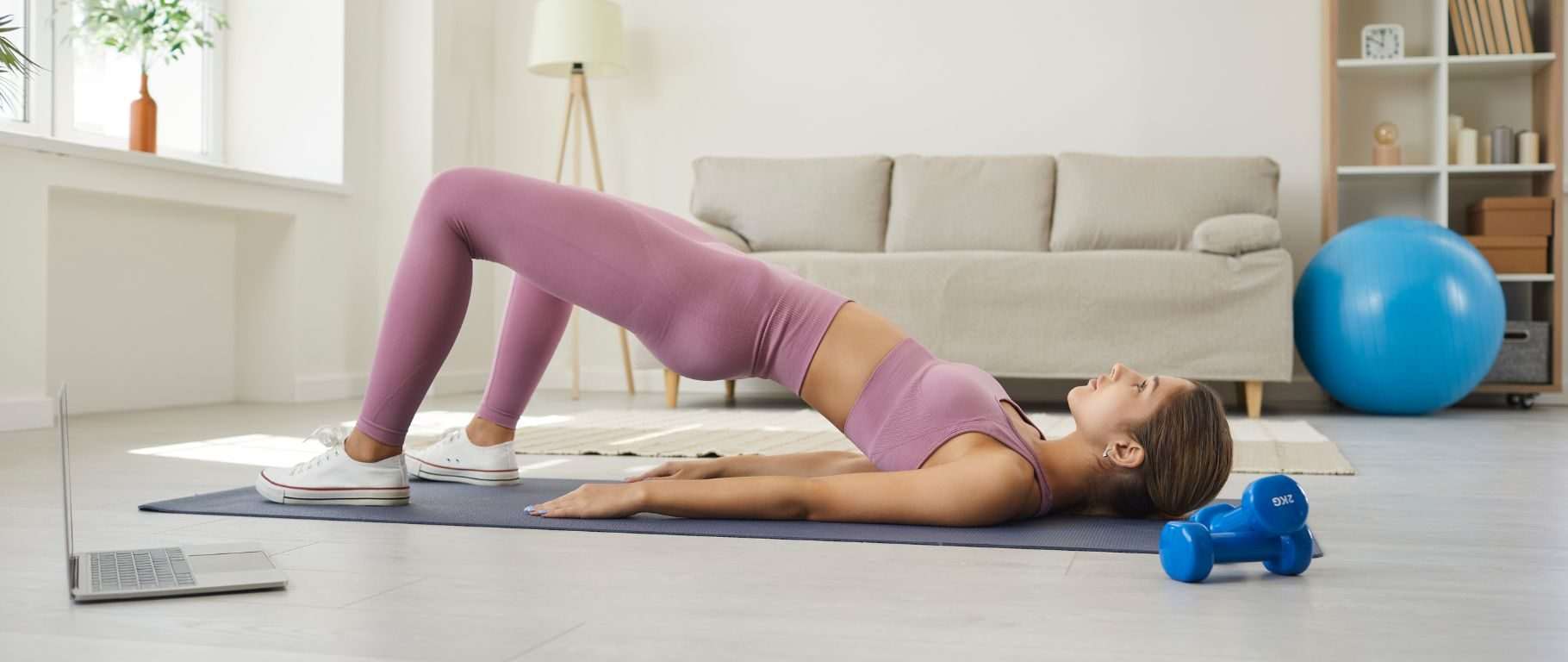
Safety is key. A physiotherapist will introduce progression through abdominal binders, targeted isometric holds, and movement?based exercises like bridge holds and side planks performed correctly. These techniques close the diastasis recti gap gently over timetypically around 812 weeks, though some cases take longer. The focus is always on quality versus quantity: activating the core while avoiding slouching, Valsalva breath holding, or over?arching.
4. Incorporating Posture, Pelvis, and Pelvic Floor Alignment
Postpartum recovery isnt limited to core repairs. Diastasis often co?exists with pelvic floor weakness, lower?back instability, and postural imbalancesespecially after cesarean or vaginal delivery. A comprehensive physiotherapy session includes pelvic alignment drills, hip?stabilizer activation, and bladder?friendly strategies to reduce stress incontinence during sneezing or heavy lifting. Improving posture, as well as optimizing alignment between the ribcage, pelvis, and spine, supports long?term stability and healing.
5. Everyday Movements and Education
Your physiotherapist won’t just guide you in clinic; theyll qualify your daily routines. Whether picking up your baby, transitioning from sitting to standing, or carrying groceries, proper breathing and core bracing techniques are essential. By adapting everyday movementlike log?rolling to get out of bed or using a push?through hip hinge for liftingwomen learn how to protect their separation, preventing re?widening of the gap as they reengage in daily life.
6. Tailored Home Exercise Plans and Follow-Up
Consistency builds results. A physiotherapy program for diastasis recti includes a structured home?exercise plan with video instruction and tracking forms (like those at YourFormsUX). Follow?ups every 2 to 4 weeks help monitor your IRD progress, tweak exercise difficulty, and add functional challenges like squat holds or modified lungesalways safe and pelvic?floor friendly.
7. When to Consider Additional Supports
While physiotherapy effectively manages most diastasis recti cases, some scenarios may require extra support:
Severe abdominal separation (more than 4?cm with coning)
Associated hernia or prominent midline bulge during movement
Persistent pain or pelvic instability despite a compliant rehab routine
In these cases, collaboration with an obstetrician, womens health physician, or surgeon may be recommended. Many physiotherapists work alongside surgical teams to support pre? and post?operative care.
Real Results: Core Confidence and Functional Gains
Women who engage in physiotherapy for diastasis recti report improvements in:
Reduced abdominal bulge during movement and posture
Better core stability, allowing for safer return to exercise
Less low?back pain and bladder leakage
Increased postpartum confidence in daily life and parenting
These outcomes extend beyond aestheticsthey reflect genuine functional recovery and durability.
Choosing the Right Physiotherapist in Canada
When choosing a clinic, look for these key credentials:
Certified in womens health, pelvic floor, or diastasis recti rehabilitation
Offers hands?on assessment, not just remote screening
Provides ongoing progress tracking, interactive home programming, and daily?life movement support
Educates on posture, pregnancy diastasis, postpartum body mechanics, and load management
Clinics that integrate technologysuch as online forms (like YourFormsUX) to monitor weekly abdominal measurementsshow a commitment to data?driven recovery and client accountability.
Takeaway
Diastasis recti isnt just a vanity issueits a real pelvic health concern that challenges postpartum womens strength, alignment, and quality of life. But with focused physiotherapybeginning with accurate gap measurement, progressing through core re?education, functional movement training, and supportive home plansrestoring core integrity is absolutely achievable.
At YourFormsUX, we support clinics that empower women to reclaim strength and confidence after childbirth. By using structured rehab tools, clinicians can gather essential data, track healing over time, and guide every patient on an evidence?based path to recovery.
Whether you’re a new mom in Toronto, Vancouver, Calgaryor anywhere in Canadathe right physiotherapy plan helps you close the tummy gap, strengthen your pelvic health, and rediscover the functional fitness to thrive in motherhood.