Pelvic health is a cornerstone of physical well-being that often goes unrecognized until problems arise. Whether you’re dealing with chronic pelvic pain, urinary incontinence, or postpartum recovery challenges, your pelvic floor plays a crucial role in supporting your internal organs, stabilizing your posture, and maintaining core strength.

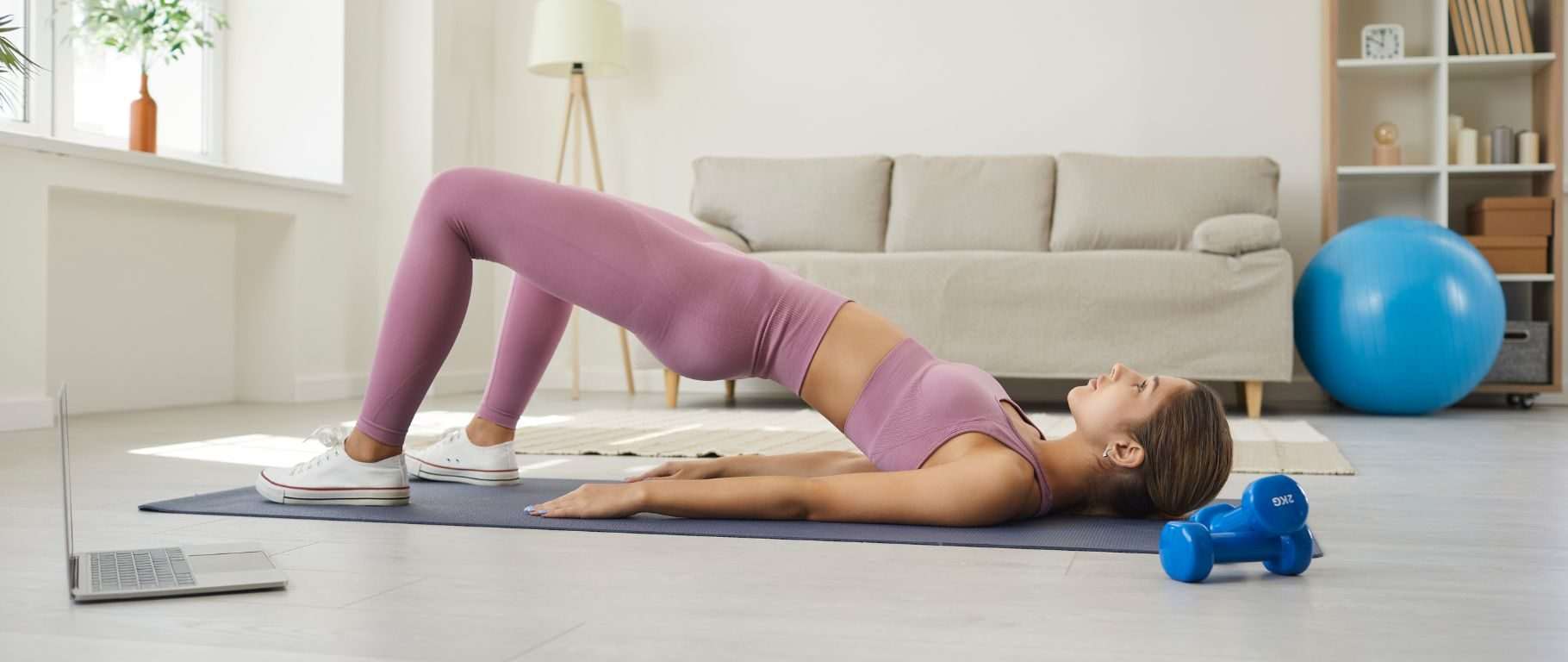
Pelvic health is a cornerstone of physical well-being that often goes unrecognized until problems arise. Whether you’re dealing with chronic pelvic pain, urinary incontinence, or postpartum recovery challenges, your pelvic floor plays a crucial role in supporting your internal organs, stabilizing your posture, and maintaining core strength. When pelvic floor dysfunction is left untreated, it can significantly impair your quality of life. Fortunately, physiotherapy offers effective, evidence-based solutions to restore pelvic function and improve daily comfort.
Understanding the Pelvic Floor and Its Functions
The pelvic floor is a group of muscles, ligaments, and connective tissue that form a sling at the base of your pelvis. These muscles support the bladder, uterus, rectum, and other pelvic organs. The pelvic floor also contributes to:
Urinary and bowel control
Sexual function and arousal
Stability and support of the spine and hips
Core muscle activation
Pressure regulation during breathing and movement
When the pelvic floor is too weak, too tight, or poorly coordinated, it can lead to a wide range of physical and emotional symptoms that compromise your well-being.
Common Pelvic Health Issues That Impact Daily Life
Pelvic floor dysfunction affects both women and men, but womenespecially those who are pregnant, postpartum, or in menopauseface a higher risk. Common conditions associated with poor pelvic health include:
Urinary incontinence (stress or urge)
Pelvic organ prolapse
Chronic pelvic pain
Painful intercourse (dyspareunia)
Bowel dysfunction (constipation or fecal incontinence)
Lower back and hip pain linked to pelvic misalignment
These issues may lead to embarrassment, reduced physical activity, social withdrawal, anxiety, and even depression. Left untreated, they can spiral into long-term health challenges that affect sleep, relationships, productivity, and self-esteem.
The Psychological Impact of Pelvic Floor Dysfunction
Pelvic health is not just a physical concernits deeply connected to mental and emotional wellness. For example, urinary leakage can lead to social avoidance and decreased confidence, while sexual pain can cause strain in intimate relationships. Chronic pelvic pain often creates a cycle of stress, tension, and muscle guarding, which can intensify symptoms.
Understanding this mind-body connection is critical when addressing pelvic floor dysfunction. A holistic approach that includes physical therapy, breathing techniques, lifestyle adjustments, and emotional support can offer long-lasting relief.
How Pelvic Physiotherapy Can Help
Pelvic floor physiotherapy is a highly specialized branch of physiotherapy that focuses on assessing and treating disorders of the pelvic floor muscles and surrounding structures. These treatments are non-invasive and personalized to meet the needs of each individual.
Heres how physiotherapy can improve your pelvic health and overall quality of life:
1. Detailed Assessment and Diagnosis
A pelvic health physiotherapist will conduct a thorough evaluation, which may include a review of your medical history, posture, muscle strength, breathing patterns, and an internal exam if necessary. The goal is to pinpoint dysfunctions in muscle tone, coordination, or nerve supply.
2. Muscle Retraining
Depending on the issue, therapy may focus on strengthening weak pelvic muscles or releasing overly tight muscles. Customized exercises can improve core stability, posture, and alignmentall of which affect pelvic health.
3. Bladder and Bowel Retraining
For individuals experiencing incontinence or urgency, physiotherapists can implement behavioral techniques and neuromuscular retraining strategies to restore control and confidence in daily activities.
4. Pain Management Techniques
For pelvic pain, treatment may include manual therapy, trigger point release, myofascial release, and relaxation techniques. These help desensitize nerve endings, improve circulation, and reduce inflammation.
5. Breathing and Postural Re-Education
Many people with pelvic floor issues have dysfunctional breathing patterns and poor posture. Your physiotherapist can teach diaphragmatic breathing and optimal alignment to reduce pressure on the pelvic organs and improve muscular coordination.
6. Education and Lifestyle Guidance
Physiotherapy also includes patient education about ergonomics, physical activity, nutrition, and self-care strategies to maintain long-term pelvic health.
When to Seek Pelvic Physiotherapy
You dont need to wait until symptoms become severe to seek help. Early intervention leads to better outcomes. Consider consulting a pelvic physiotherapist if you experience:
Leaking urine when coughing, sneezing, or exercising
Frequent urgency or difficulty emptying your bladder or bowels
Unexplained pelvic or lower back pain
Painful intercourse
A sensation of heaviness or bulging in the pelvic region
Difficulty returning to exercise postpartum
Even without symptoms, individuals going through pregnancy, menopause, or recovery from pelvic surgery can benefit from pelvic health physiotherapy as a preventive measure.
Long-Term Benefits of Physiotherapy for Pelvic Health
Pelvic floor therapy is more than a temporary fixit empowers individuals with knowledge, tools, and strategies for lifelong well-being. Consistent physiotherapy can help:
Restore bladder and bowel function
Eliminate pain during physical or sexual activity
Improve sleep and energy levels
Enhance posture and spinal support
Reduce the risk of injury from core instability
Boost confidence and emotional resilience
Improved pelvic function translates into a better quality of lifewhether that means returning to your favorite activities, feeling confident in your body, or maintaining intimacy in your relationships.
Investing in Your Pelvic Wellness
At its core, pelvic health is about reclaiming your comfort, dignity, and functionality. Its not something you have to endure silently or manage with temporary fixes. Physiotherapy offers a proactive, empowering path to healing and strength.
If you’re experiencing symptoms or simply want to invest in your future well-being, consider speaking with a qualified pelvic floor physiotherapist. Your pelvic health mattersand improving it can positively transform your entire life.