Womens health physiotherapy is emerging as a vital service that addresses the physical challenges unique to the female body, especially when it comes to core and pelvic floor strength. From pregnancy and postpartum recovery to managing incontinence, pelvic organ prolapse, or lower back pain, the role of physiotherapy in building a strong core and resilient …

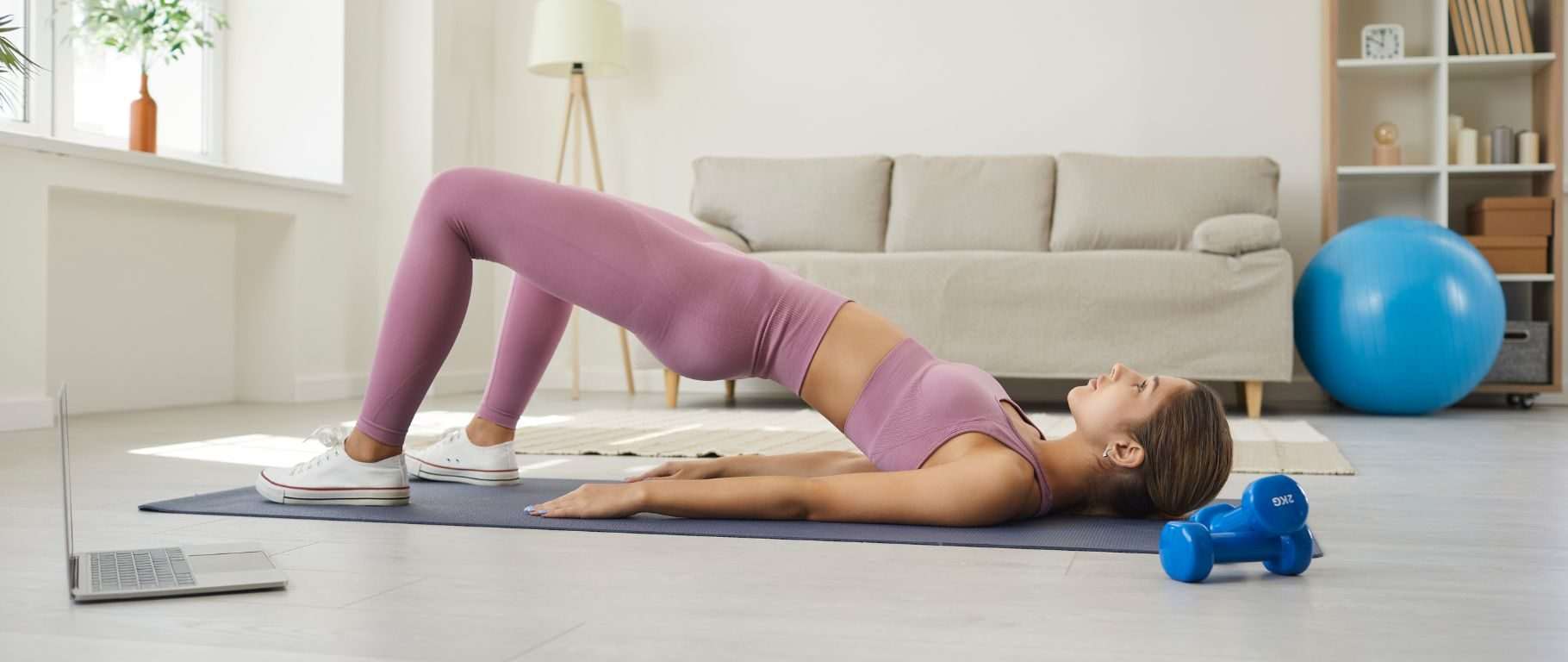
Womens health physiotherapy is emerging as a vital service that addresses the physical challenges unique to the female body, especially when it comes to core and pelvic floor strength. From pregnancy and postpartum recovery to managing incontinence, pelvic organ prolapse, or lower back pain, the role of physiotherapy in building a strong core and resilient pelvic floor is foundational to long-term health and mobility. This blog explores how targeted physiotherapy supports women in reclaiming their strength, improving functionality, and enhancing quality of life.
Understanding the Core and Pelvic Floor Connection
The core is more than just abdominal muscles. It includes the deep stabilizing muscles of the abdomen, back, diaphragm, and pelvic floor. These muscle groups work as a team to support posture, maintain continence, stabilize the spine, and generate movement. The pelvic floor specifically consists of layers of muscles and connective tissue that stretch like a hammock across the bottom of the pelvis, playing a critical role in bladder and bowel control, sexual health, and organ support.
When the core and pelvic floor become weak or dysfunctionaloften due to pregnancy, childbirth, surgery, hormonal changes, or inactivitywomen may experience symptoms like urinary leakage, pelvic pain, heaviness, and lower back discomfort. Physiotherapy offers a safe, non-invasive way to identify, treat, and strengthen these critical muscles.
Why Strengthening the Core and Pelvic Floor Matters
Prevents Pelvic Floor Dysfunction
Pelvic floor dysfunction can lead to issues such as incontinence, painful intercourse, or pelvic organ prolapse. Physiotherapy helps identify muscle weakness or overactivity and provides exercises tailored to restore normal function and control.
Supports Postpartum Recovery
During pregnancy and delivery, the core and pelvic floor endure tremendous strain. Physiotherapy accelerates recovery by guiding new mothers through gentle, effective movements that rebuild core strength, heal diastasis recti, and prevent long-term complications.
Improves Bladder and Bowel Control
Leaking urine when coughing, sneezing, or exercising is not just an inconvenienceits a sign of pelvic floor dysfunction. Targeted physiotherapy strengthens the pelvic floor muscles to restore control, confidence, and daily comfort.
Enhances Sexual Health
A strong and well-functioning pelvic floor can improve sexual function by increasing sensation and reducing pain. Physiotherapists help women address discomfort during intercourse and guide them in exercises that promote healthy pelvic circulation and muscle coordination.
Reduces Lower Back and Hip Pain
The core and pelvic floor work in harmony with the spine and pelvis. When one area is weak or misaligned, other parts compensate, often leading to discomfort. Physiotherapy improves core stability, muscle symmetry, and movement patterns to relieve pressure on the lower back and hips.
What to Expect During Physiotherapy
A physiotherapy program for core and pelvic floor strengthening typically begins with a comprehensive assessment. This may include posture evaluation, breathing patterns, and internal or external pelvic exams (when appropriate and with consent). Based on findings, a physiotherapist creates a personalized treatment plan that may include:
Pelvic floor muscle training
These are not just Kegels. A physiotherapist teaches how to properly engage and relax pelvic floor muscles, ensuring effective and safe activation.
Core stabilization exercises
Targeted movements help engage deep abdominal muscles, especially the transversus abdominis, which acts like a corset supporting the spine and pelvis.
Postural alignment and breathing techniques
Correcting posture and integrating diaphragmatic breathing plays a key role in reducing intra-abdominal pressure and enhancing pelvic floor efficiency.
Manual therapy and biofeedback
These techniques can be used to release tension, improve muscle tone, and increase awareness of pelvic floor function.
Progressive strength training
As function improves, physiotherapists introduce resistance and functional movements to build long-term core and pelvic strength, supporting active lifestyles.
Common Misconceptions About Pelvic Physiotherapy
Many women assume that pelvic health therapy is only for postpartum recovery. In reality, women of all ages benefit from pelvic floor care, whether they are managing menopause-related changes, recovering from surgery, or simply aiming to age actively and comfortably. Another misconception is that Kegels are a one-size-fits-all solution. In fact, for some womenespecially those with pelvic tensionKegels can worsen symptoms if done incorrectly or without proper assessment.
Integrating Physiotherapy Into Everyday Life
Physiotherapy doesnt end at the clinic. A major focus is educationlearning how to lift properly, stand with alignment, sit with spinal support, and move in ways that protect and activate the core. Women are also taught to integrate pelvic floor engagement into daily tasks like walking, bending, and exercising, making the benefits of therapy a lasting part of their lifestyle.
When to Seek Help
If you are experiencing any of the following, it may be time to see a pelvic health physiotherapist:
Unexplained pelvic or lower back pain
Leaking urine during activity or at rest
A sense of heaviness or bulging in the pelvic area
Painful intercourse
Difficulty recovering strength after childbirth or surgery
Chronic constipation or straining during bowel movements
Early intervention can prevent small issues from becoming chronic problems and supports faster recovery and overall wellness.
Conclusion
Strengthening your core and pelvic floor through physiotherapy is one of the most empowering things you can do for your long-term health. Its about more than symptom reliefits about understanding your body, reclaiming control, and building strength from the inside out. Whether youre navigating postpartum changes, menopause, or everyday stressors, physiotherapy offers a guided, science-backed path to restore confidence, function, and vitality.
By prioritizing core and pelvic health, women of all ages can move better, feel stronger, and live more fullystarting now.