When most people think of good posture or physical balance, they often focus on the spine, shoulders, or core. However, a frequently overlooked yet essential contributor is the pelvic floor.

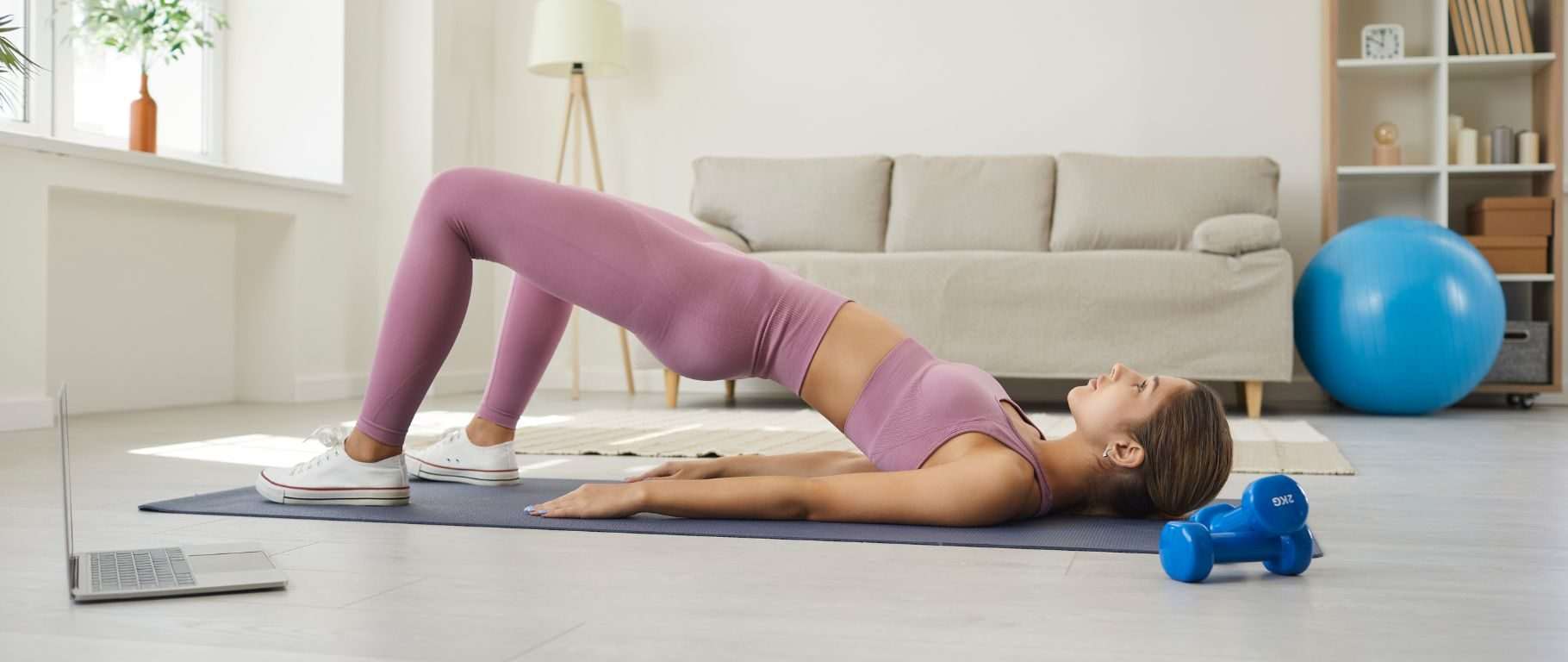
When most people think of good posture or physical balance, they often focus on the spine, shoulders, or core. However, a frequently overlooked yet essential contributor is the pelvic floor. These deep, stabilizing muscles at the base of the pelvis do more than support internal organsthey directly affect postural alignment, spinal stability, and overall body balance. For women, especially those navigating postnatal recovery, aging, or hormonal changes, pelvic floor physiotherapy can be transformative.
In this blog, we explore how pelvic floor strengthening can enhance postural control, reduce pain, and improve daily functional movement.
Understanding the Role of the Pelvic Floor
The pelvic floor muscles form a supportive sling for the bladder, uterus, and rectum. But their role extends beyond organ support. These muscles interact with the deep core system, including the diaphragm, abdominal muscles, and deep back stabilizers. When all these muscles work in harmony, they provide a stable foundation for upright posture and dynamic movement.
When the pelvic floor is weak or underactive, it disrupts this foundation. This often results in poor posture, spinal instability, or compensatory movement patterns that increase the risk of back pain, pelvic misalignment, and even falls.
Why Posture Depends on Pelvic Floor Strength
Posture is not just about keeping your back straightits about maintaining alignment throughout the spine, hips, and pelvis. A misaligned pelvis can throw the entire spinal column out of balance. Weak pelvic floor muscles may cause the pelvis to tilt too far forward or backward, compromising spinal curvature and leading to compensatory strain in the neck, shoulders, and lower back.
On the other hand, when the pelvic floor is strong and responsive:
The pelvis stays neutral and well-supported
Core engagement becomes more efficient
Spinal alignment improves naturally
Balance and coordination are easier to maintain
This connection becomes even more crucial during transitional phases like postpartum recovery or postmenopausal pelvic changes, where hormonal shifts can directly affect muscle tone and joint stability.
Improving Balance Through Pelvic Stability
Balance is about more than just standing on one legits the bodys ability to maintain its center of gravity while moving or standing still. The pelvic floor plays a subtle but crucial role in this process.
With a responsive pelvic floor, the body can:
React faster to shifts in weight
Stabilize the trunk during walking or turning
Prevent stumbling or falling during dynamic tasks
Physiotherapists often assess pelvic floor control when working with clients who experience balance issues. Weakness in this area is frequently linked with core instability and poor proprioception, which can compromise balance without the individual even realizing the source.
Signs Your Pelvic Floor Might Be Affecting Your Posture
While not everyone is aware of pelvic floor dysfunction, certain signs may suggest that your pelvic health is impacting your posture or balance:
Persistent lower back pain, especially when standing or walking
Sensation of heaviness in the pelvic area
Difficulty engaging core muscles during exercise
Poor balance or frequent stumbles
Inability to maintain upright posture without discomfort
If any of these symptoms persist, pelvic physiotherapy should be considered as part of your posture correction and balance improvement plan.
The Physiotherapists Role in Pelvic Floor Training
Pelvic health physiotherapists specialize in identifying weaknesses or imbalances in the pelvic floor and surrounding muscles. They create tailored programs that integrate internal pelvic muscle training with functional movement therapy to improve whole-body stability.
Common interventions include:
Biofeedback and guided activation of deep pelvic muscles
Breathing techniques to coordinate diaphragm and pelvic floor
Functional posture retraining with core-pelvic engagement
Movement drills for balance, gait, and hip control
These techniques not only restore pelvic strength but also help retrain the brain-body connection for better posture and balance.
At-Home Practices to Support Pelvic Floor and Posture
Incorporating daily habits to reinforce pelvic floor strength and body alignment can make a significant difference over time. Consider integrating these strategies into your routine:
Mindful Breathing Practice diaphragmatic breathing to naturally engage your pelvic floor during exhalation.
Postural Scans Throughout the day, check in with your body: is your pelvis tilted, is your weight evenly distributed?
Pelvic Tilts Gentle tilting exercises strengthen the connection between your pelvic floor and lower spine.
Balance Drills Simple activities like standing on one leg can challenge and improve pelvic and core coordination.
Proper Sitting and Standing Posture Keep your pelvis in neutral alignment whether seated or on your feet.
If youre unsure how to perform these correctly, a few sessions with a physiotherapist can ensure safe and effective practice.
Benefits Beyond the Physical
A stable pelvic floor doesnt just improve posture and reduce injury riskit can also enhance confidence, mobility, and quality of life. As posture improves, so does breathing capacity, digestive efficiency, and even mood. For women facing hormonal shifts or recovering from childbirth, a stronger pelvic foundation helps regain control, strength, and freedom of movement.
Final Thoughts
Strengthening the pelvic floor is a critical yet often overlooked element of improving postural alignment and body balance. For women of all ageswhether postpartum, approaching menopause, or dealing with chronic back discomfortpelvic floor physiotherapy offers a powerful and non-invasive path to better stability and function.
At YourFormSux, we prioritize pelvic health as a foundational component of women’s wellness. If you’re experiencing posture-related concerns or balance issues, a targeted pelvic floor program may be the key to long-term improvement and comfort.
Let your pelvic foundation support youstand tall, move with ease, and restore balance from the inside out.