Pelvic floor exercises, often referred to as Kegels, are a foundational part of maintaining and improving pelvic health for women of all ages. Whether you are in your reproductive years, navigating postpartum recovery, or managing symptoms during menopause, strengthening your pelvic floor can provide immense benefits.

Pelvic floor exercises, often referred to as Kegels, are a foundational part of maintaining and improving pelvic health for women of all ages. Whether you are in your reproductive years, navigating postpartum recovery, or managing symptoms during menopause, strengthening your pelvic floor can provide immense benefits. But the effectiveness of these exercises lies in proper technique, consistency, and understanding when and how to engage the right muscles.
In this guide, we will break down how to do pelvic floor exercises correctly and explain why form, breath, and posture matter more than speed or intensity.
Understanding the Pelvic Floor
The pelvic floor is a group of muscles that span the base of your pelvis, supporting your bladder, uterus, and bowel. These muscles control continence, contribute to sexual function, and play a key role in core stability. Weakness or tension in this area can lead to urinary incontinence, pelvic organ prolapse, pain during intercourse, or chronic pelvic pain. Thats why proper pelvic floor muscle training is essential for long-term pelvic health.
Signs You Might Need Pelvic Floor Exercises
Pelvic floor physiotherapy isnt just for people recovering from childbirth. You may benefit from pelvic floor exercises if you experience:
Leakage when coughing, sneezing, or lifting
A sensation of heaviness or dragging in the pelvic region
Frequent or urgent need to urinate
Difficulty with bowel movements or sexual discomfort
Lower back pain or poor postural alignment
Correctly performed exercises can reduce these symptoms and improve your quality of life.
Step-by-Step Guide to Doing Pelvic Floor Exercises Correctly
1. Identify the Right Muscles
Before you begin, its crucial to locate the correct muscles. A common way to identify your pelvic floor is to imagine stopping the flow of urine midstream. The muscles you engage to do that are your pelvic floor muscles. Note: This identification method is just for awareness and should not be done routinely during urination as it can disrupt normal bladder function.
If you’re unsure, a pelvic floor physiotherapist can guide you in muscle identification and activation using biofeedback or manual techniques.
2. Position Yourself Properly
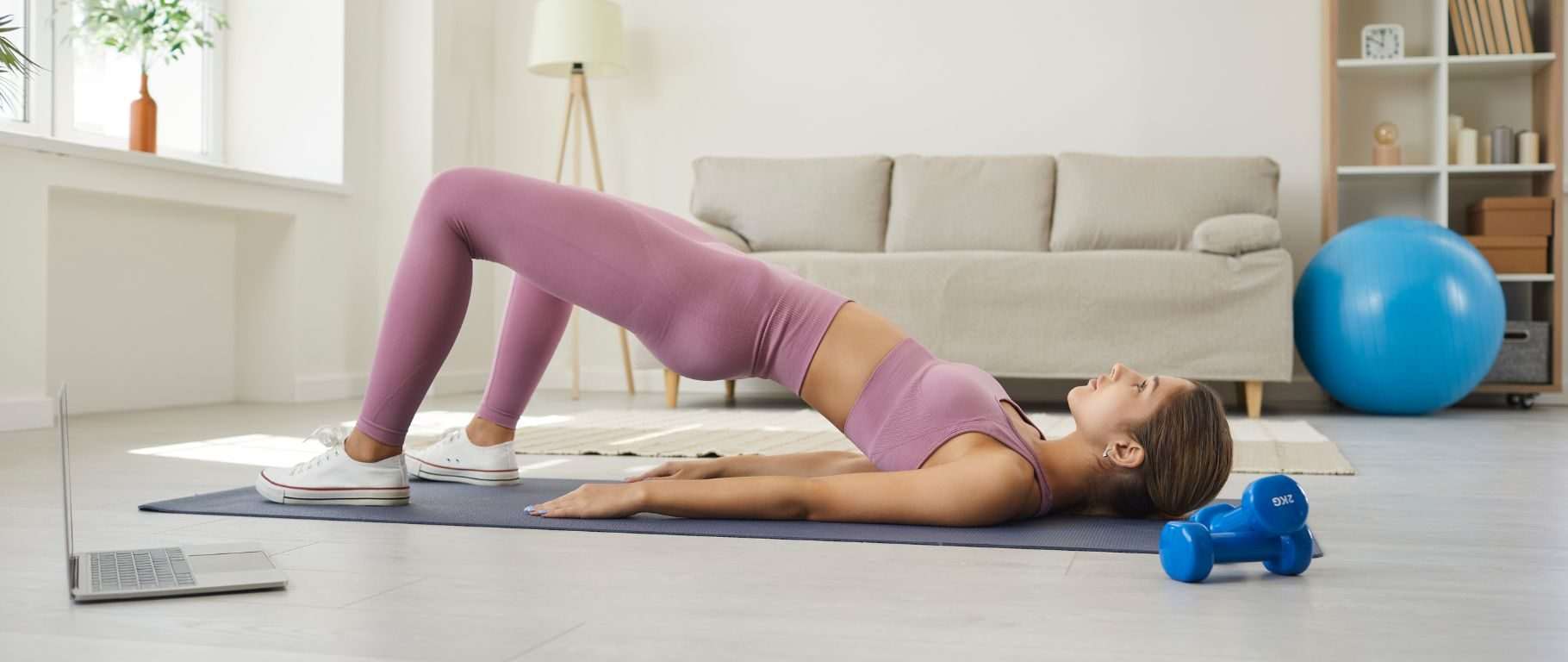
Start in a comfortable position. Lying down with knees bent is ideal for beginners, as it reduces pressure on the pelvic area. As you progress, you can try these exercises sitting or standing.
Lie on your back with your spine in a neutral position
Place your feet flat on the floor, hip-width apart
Relax your shoulders and arms
Proper alignment ensures you’re not compensating with surrounding muscles like the glutes or abdominals.
3. Engage the Muscles with Control
Inhale deeply, allowing your belly and ribs to expand
As you exhale, gently lift the pelvic floor muscles (imagine lifting them up and in, like closing a zipper from back to front)
Hold the contraction for about 3 to 5 seconds without holding your breath
Inhale to release and fully relax the muscles
Focus on quality over quantity. Avoid squeezing your buttocks, inner thighs, or holding tension in your neck and jaw. A subtle, isolated contraction is key.
4. Progressively Increase Intensity
As your strength builds, you can gradually increase your hold time up to 10 seconds. You should aim for:
10 slow contractions, holding each for 510 seconds
10 quick contractions (lift and release rapidly)
Performing these sets 2 to 3 times daily
Consistency is more important than performing large numbers of repetitions. Its better to do fewer well-executed contractions than many done incorrectly.
Common Mistakes to Avoid
Even well-meaning efforts can become counterproductive if the technique is off. Avoid these common errors:
Overusing abdominal muscles: Contracting the abs too strongly can place pressure on the pelvic floor rather than strengthening it.
Breath holding: Holding your breath creates intra-abdominal pressure, which can worsen pelvic floor issues.
Forcing or straining: The lift should be gentle, not aggressive. Straining can mimic the act of pushing, which is the opposite of lifting.
Neglecting relaxation: A tight pelvic floor can be just as problematic as a weak one. Each contraction should be followed by a complete release.
When to Seek Help from a Pelvic Floor Physiotherapist
Some individuals experience difficulty engaging the pelvic floor muscles correctly or suffer from symptoms despite regular exercise. In such cases, seeing a pelvic floor physiotherapist is highly recommended. A physiotherapist can assess for muscle imbalances, hypertonicity (overactive muscles), or underlying conditions that might be preventing effective engagement.
Professional support ensures:
Your technique is correct and tailored to your body
You’re working the muscles at the right intensity and frequency
Any additional pelvic health concerns are identified and managed
Benefits of Correctly Performed Pelvic Floor Exercises
When done correctly, pelvic floor exercises offer a wide range of benefits, including:
Improved bladder and bowel control
Reduced risk or severity of pelvic organ prolapse
Enhanced sexual function and sensation
Improved core strength and posture
Greater confidence in daily activities
Over time, these exercises can help you return to running, lifting, dancing, or even sneezingwithout worry or discomfort.
Final Thoughts
Pelvic floor health is a vital component of overall well-being for women at every stage of life. Doing pelvic floor exercises correctly is not just about muscle toneits about function, control, and coordination. Whether you’re postpartum, entering menopause, or simply investing in your bodys future, taking the time to learn and practice these exercises can significantly improve your quality of life.
If you’re unsure about your form or progress, or if symptoms persist, dont hesitate to reach out to a qualified pelvic floor physiotherapist. Your body deserves the right kind of attention, and the path to better pelvic health begins with informed, mindful movement.