Maintaining pelvic health doesnt have to involve complicated routines or long therapy sessions. In fact, small, consistent actions integrated into your daily life can make a major difference in how your pelvic floor functions and feels.

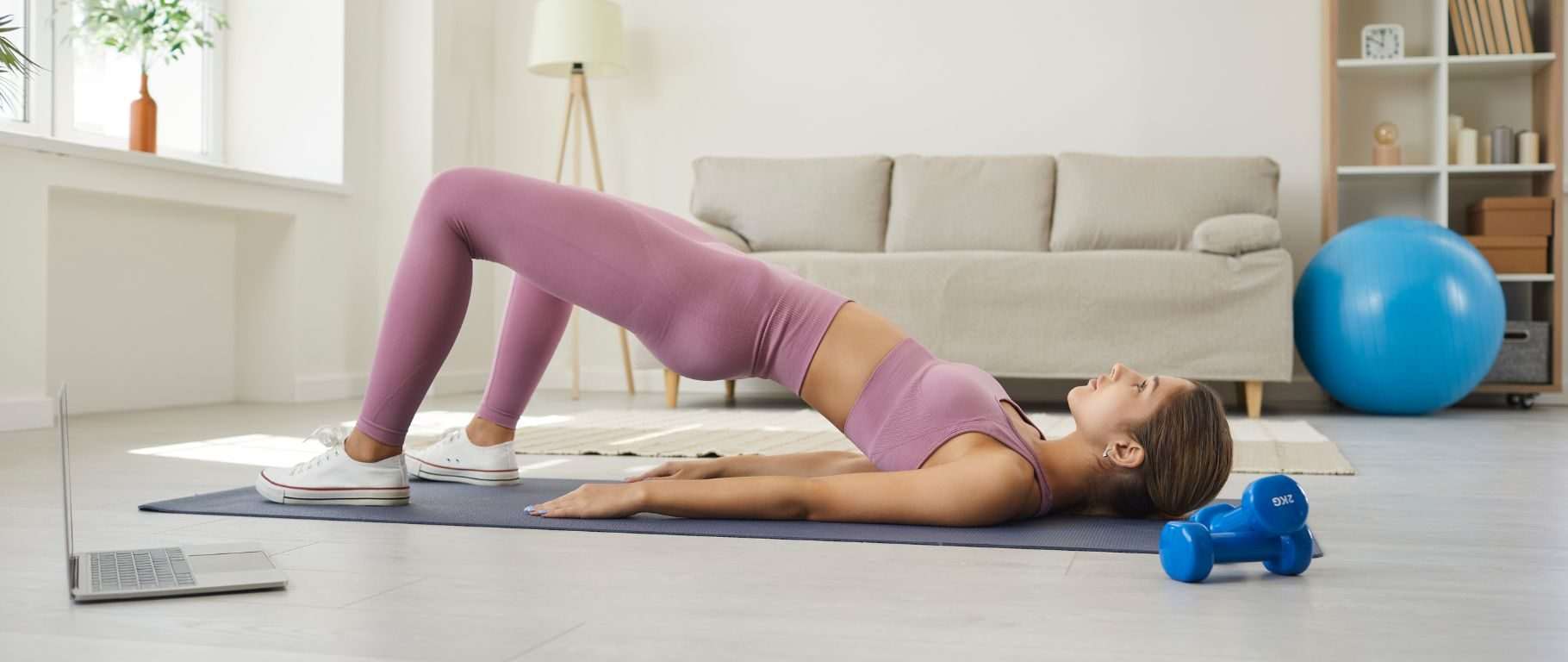
Maintaining pelvic health doesnt have to involve complicated routines or long therapy sessions. In fact, small, consistent actions integrated into your daily life can make a major difference in how your pelvic floor functions and feels. By being proactive, you can reduce your risk of pelvic floor dysfunction, manage symptoms, and improve overall well-beingall through mindful daily habits.
Why Daily Pelvic Care Matters
Your pelvic floor is involved in every movementwhether you’re walking, sitting, lifting, or breathing. Neglecting this part of the body can lead to issues such as incontinence, pelvic pain, or prolapse. Building awareness and support into everyday actions is key to prevention and recovery.
Simple Daily Habits to Support Pelvic Health
Use Breath to Engage the Core
Incorporate diaphragmatic breathing several times a day. On each exhale, gently engage your pelvic floor. This supports your spine, reduces pressure, and builds core awareness.
Watch Your Posture
Avoid slouching, especially when sitting for long hours. Sit tall with both feet flat on the ground and pelvis neutral. Poor posture can lead to unnecessary strain on the pelvic floor.
Lift Smart
Always exhale and engage your core before lifting heavy items, including children. This habit protects your pelvic floor from overload and injury.
Take Movement Breaks
Sitting all day increases pressure on the pelvis. Get up and move every 3060 minutes to stretch and improve circulation.
Avoid Just in Case Bathroom Trips
Train your bladder by only going when you truly feel the need. Frequent, unnecessary urination can disrupt healthy bladder signaling.
Prioritize Hydration and Fiber
Healthy bowel movements reduce strain and prevent constipation, a common trigger for pelvic floor dysfunction.
Incorporate Gentle Core and Pelvic Floor Exercises
Even five minutes a day of tailored movement can improve muscle tone and control. Focus on quality over quantity.
Track Symptoms and Seek Support Early
Keeping a journal of symptoms like urgency, pain, or leakage can help you identify patterns and know when to seek help from a physiotherapist.
Conclusion
You dont need hours at the gym or complex regimens to care for your pelvic floor. By weaving simple, intentional habits into your daily life, you can build strength, reduce discomfort, and protect your long-term pelvic health. At YourFormSux, we empower you to own your body and your routinestarting with just a few mindful movements a day.