Maintaining pelvic floor health throughout your life is essential for long-term physical well-being, comfort, and confidence. Your pelvic floor muscles support the bladder, uterus, and rectum.

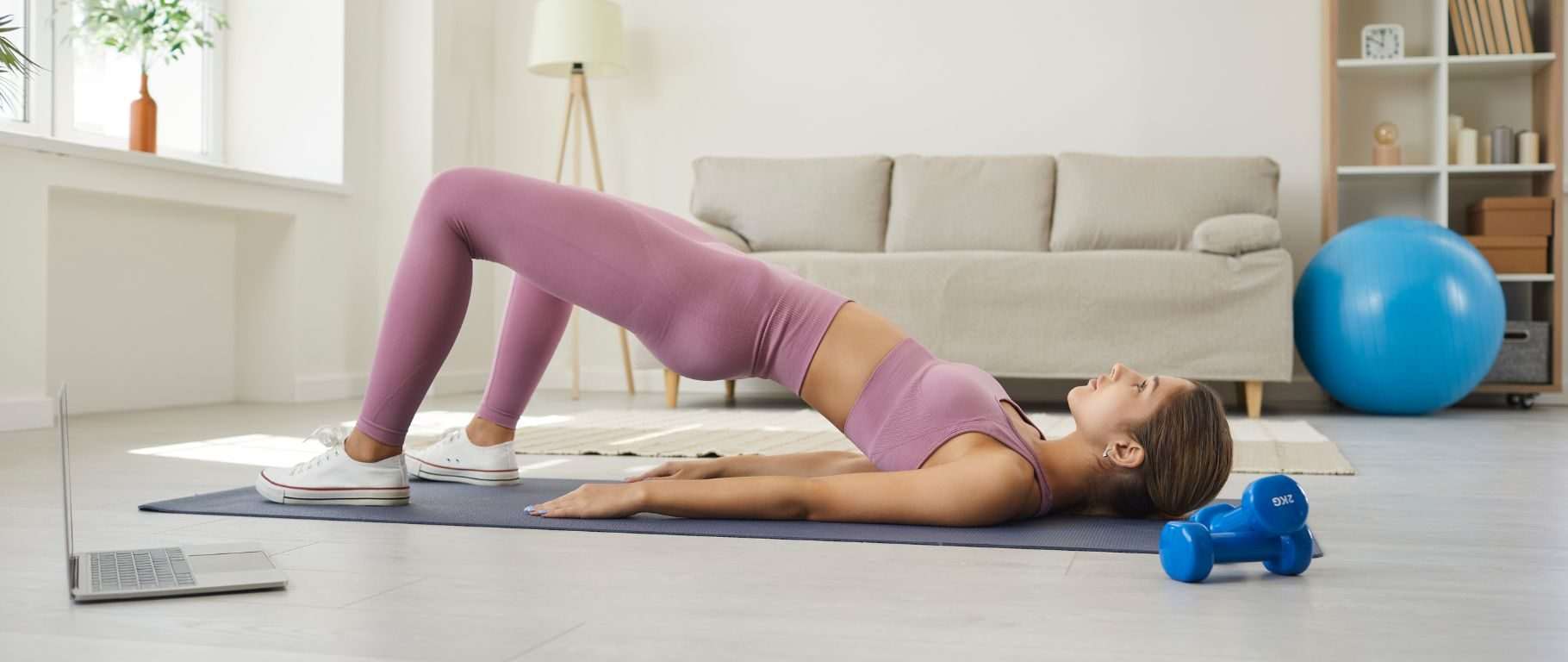
Maintaining pelvic floor health throughout your life is essential for long-term physical well-being, comfort, and confidence. Your pelvic floor muscles support the bladder, uterus, and rectum. They play a critical role in urinary and bowel control, sexual function, and core stability. Unfortunately, many women are unaware of their pelvic floor until symptoms of dysfunction arise. A proactive approach to pelvic floor care across all life stagesfrom adolescence to post-menopausecan help prevent issues like incontinence, pelvic organ prolapse, and pain.
Understanding the Pelvic Floor Across Life Stages
Pelvic floor health is not static. Hormonal shifts, physical activity, pregnancy, childbirth, and aging each place different demands on the pelvic floor. What works in your 20s may not be enough in your 40s or beyond.
Adolescence and Young Adulthood: This is the time to build awareness. Incorporating pelvic floor muscle training (PFMT) earlyespecially through guided physiotherapylays the foundation for resilience and strength.
Childbearing Years: Pregnancy and childbirth are major stressors on the pelvic floor. Targeted physiotherapy during and after pregnancy reduces the risk of long-term dysfunction and supports recovery.
Perimenopause and Menopause: Declining estrogen levels can lead to muscle weakening and loss of elasticity. Physiotherapy combined with daily exercises can maintain strength and prevent bladder issues or pelvic organ descent.
Postmenopausal Years: Bone density loss, chronic constipation, and inactivity can impact pelvic stability. At this stage, individualized physiotherapy is vital to manage aging-related changes and prevent postural imbalances.
Daily Habits That Support Lifelong Pelvic Floor Health
Small, consistent habits have a big impact. Here are foundational practices that promote a healthy pelvic floor regardless of age:
Practice Proper Breathing
Diaphragmatic breathing supports pelvic floor coordination. Avoid shallow chest breathing, which can create pressure imbalances in the core.
Stay Hydrated and Manage Bladder Health
Adequate hydration prevents constipation and bladder irritation. Avoid holding your urine for long periods and learn to fully relax during voiding.
Exercise Smartly
High-impact sports and improper lifting techniques can strain the pelvic floor. Use correct form, strengthen your core, and consult a physiotherapist to modify your workout routine as needed.
Avoid Straining During Bowel Movements
Chronic straining can stretch and weaken pelvic tissues. Maintain a fiber-rich diet and use supportive toilet postures to protect your pelvic muscles.
Address Persistent Coughs and Poor Posture
Chronic coughing from asthma or smoking and slouched posture both exert undue pressure on pelvic muscles. Physiotherapy can address these external contributors to dysfunction.
Why Regular Physiotherapy Matters
Pelvic floor physiotherapy is not just for treating existing problemsits a preventive tool. A trained pelvic health physiotherapist assesses muscle strength, flexibility, coordination, and breathing patterns. Through personalized exercises, manual therapy, and posture training, physiotherapy enhances pelvic muscle function and addresses imbalances before they escalate.
Common benefits of preventive physiotherapy include:
Improved bladder and bowel control
Reduced risk of prolapse
Better sexual function
Enhanced core strength and posture
Reduced pelvic pain or discomfort
Monitoring Your Pelvic Health Over Time
Lifespan care means regularly checking in with your body. If you experience symptoms like leaking urine, heaviness in the pelvis, pain during intimacy, or chronic constipation, these are signals to seek professional help. Early intervention prevents long-term complications.
Conclusion
Your pelvic floor plays an invisible but powerful role in your everyday life. Its never too earlyor too lateto prioritize pelvic health. With awareness, intentional daily habits, and support from pelvic floor physiotherapy, you can maintain function, comfort, and quality of life at every age. For personalized guidance, consult a licensed physiotherapist who specializes in pelvic floor health and can create a plan tailored to your life stage and needs.