Discover the wide-ranging benefits of chiropractic care for pain relief, mobility, and whole-body wellness.

Lets face it when youre deep into the game, posture isnt exactly your top priority. Youre focused, locked in, leaning forward, maybe perched on the edge of your seat and before you know it, your neck is sore, your shoulders are stiff, and your back feels like its been hit with a debuff.
Sound familiar?
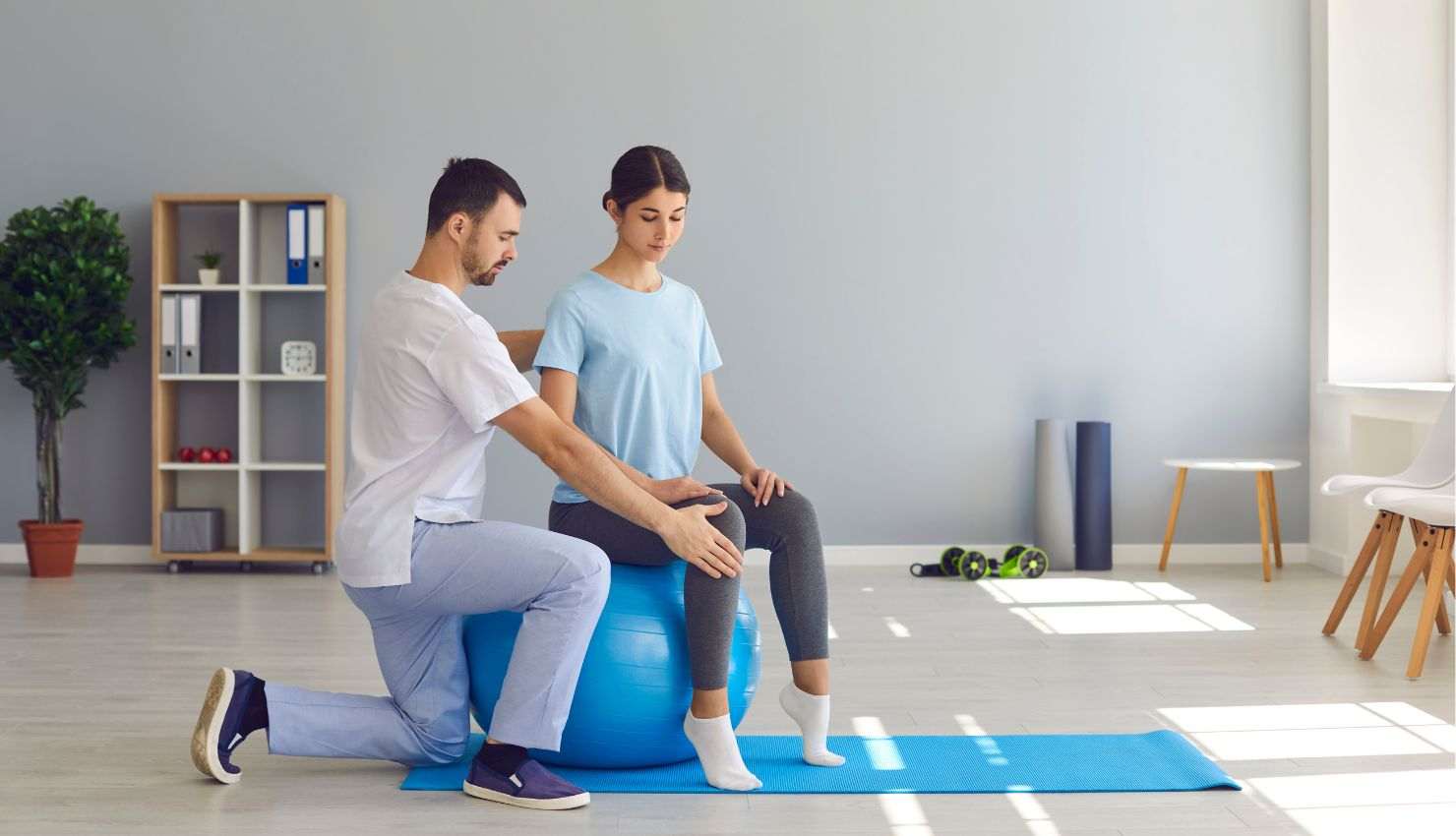
Poor posture is one of the most common issues among gamers, and over time, it can lead to real pain and long-term problems. But heres the good news: physiotherapy can help. With the right guidance, you can level up your posture, reduce discomfort, and stay in the game longer and stronger.
????? Why Gaming Posture Matters
Bad posture isnt just about looking slouched it affects how your muscles work, how your joints feel, and how your body functions overall. Gaming in poor positions for hours on end can lead to:
Neck and shoulder pain from leaning forward or shrugging
Lower back aches from slumping or unsupported sitting
Wrist strain from bad arm positioning
Tension headaches caused by tight muscles in the upper back
Fatigue and reduced focus due to shallow breathing from compressed posture
Good posture helps keep you comfortable, alert, and injury-free making it one of the most underrated performance boosts in your arsenal.
????? How Physiotherapy Helps Correct & Improve Gaming Posture
A physiotherapist doesnt just treat pain they teach you how to move and sit better to prevent it. Heres how physio can support your posture goals:
? 1. Postural Assessment
Your physiotherapist will assess how you naturally sit, stand, and move. Theyll look for:
Forward head position
Rounded shoulders
Slouched lower back
Imbalanced muscle activation
This helps them create a personalized plan to correct your posture based on your body and your gaming style.
? 2. Strengthening Weak Muscles
Poor posture often comes from muscle imbalances weak core and upper back muscles, tight chest and hip flexors. Your physio will guide you through exercises that strengthen:
Deep core stabilizers
Mid-back muscles (rhomboids, traps)
Neck and postural stabilizers
More strength = better posture with less effort.
? 3. Mobility & Flexibility Work
Tight muscles pull your body out of alignment. Your physio will help release common problem areas like:
Hip flexors (from long sitting sessions)
Chest muscles (from hunching forward)
Neck and shoulders (from static tension)
This improves range of motion and lets your body naturally sit taller and straighter.
? 4. Ergonomic Education
Its not just your body your setup matters too. Your physio can help you tweak your space for better posture:
Screen at eye level to avoid craning your neck
Chair that supports your lumbar spine
Armrests or cushions to keep elbows at 90°
Feet flat on the floor or supported by a footrest
Theyll help you build a gaming environment that supports your health, not sabotages it.
? 5. Movement Strategies
Even with the best posture, your body needs breaks. A physio can teach you:
How often to move or stretch during long sessions
Quick, posture-reset exercises
Breathing techniques to reduce tension and improve focus
??? At-Home Posture Boosters (Physio-Approved)
Try these simple posture-friendly habits now:
?? The 90-90 Rule: Sit with your hips and knees at 90°, elbows at 90°, feet flat
?? Screen Check: Raise your monitor so your eyes hit the top third
?? Chin Tucks: Sit tall, gently tuck your chin in, hold 5 seconds repeat 10x
????? Posture Breaks: Every hour, stand, stretch, and walk around for 25 minutes
?? Use Support: A rolled towel or cushion behind your lower back can make a big difference
?? Final Thoughts: Posture Is Your Real-Life Power-Up
Improving your gaming posture isnt about sitting like a robot its about creating a more comfortable, efficient, and injury-free experience every time you play. And with the help of a physiotherapist, you can turn poor posture into power posture.
So next time you fire up your game, take a moment to check in with your body. Your K/D ratio will thank you and so will your spine.
Need help finding a physiotherapist near you, or want a free Perfect Gaming Posture Checklist to print or post at your desk? Let us know weve got your back (literally).