Childbirth is a remarkable experience, but it places tremendous strain on a womans bodyespecially the pelvic floor. Whether you had a vaginal birth or a cesarean section, the postnatal phase can come with challenges like incontinence, pelvic pain, or a sense of instability.

Childbirth is a remarkable experience, but it places tremendous strain on a womans bodyespecially the pelvic floor. Whether you had a vaginal birth or a cesarean section, the postnatal phase can come with challenges like incontinence, pelvic pain, or a sense of instability. Fortunately, postpartum physiotherapy offers effective and evidence-based solutions to restore pelvic health after delivery.
Understanding the Postpartum Pelvic Floor
During pregnancy and labor, the pelvic floor muscles stretch significantly to accommodate the growing baby and the birthing process. This stretch, combined with hormonal changes and abdominal pressure, can weaken the pelvic support system. Women often experience symptoms such as:
Urinary or fecal incontinence
Pelvic organ prolapse
Perineal pain or tearing
Diastasis recti (abdominal separation)
Sexual discomfort or pain
These issues, while common, should not be dismissed as inevitable. Postnatal pelvic physiotherapy focuses on rebuilding strength, coordination, and function in a safe and progressive manner.
The Role of a Pelvic Floor Physiotherapist Postpartum
A licensed pelvic physiotherapist assesses the degree of muscle recovery, pelvic alignment, scar tissue mobility, and core coordination. Early intervention, typically after the 6-week postpartum check-up, leads to faster recovery and fewer long-term issues.
Treatment includes education, gentle exercises, hands-on therapy, and guided return to physical activity. Each program is personalized to a womans specific needs and birth history.
Key Postpartum Issues Physiotherapy Can Address
Urinary Incontinence
Leaking urine while laughing, sneezing, or lifting is common post-delivery. Pelvic physiotherapy strengthens the sphincter and surrounding muscles to regain bladder control without medications.
Pelvic Organ Prolapse
If organs like the bladder or uterus descend due to weakened support structures, therapy can manage symptoms and prevent worsening through muscle reactivation and posture correction.
Pain from Perineal Tears or Episiotomy
Scar tissue can cause pain or tightness during movement or intimacy. Physiotherapy helps release restrictions, improve circulation, and restore normal sensation.
Abdominal Separation (Diastasis Recti)
Separation of abdominal muscles can lead to back pain and poor posture. A pelvic physiotherapist will guide safe core exercises to bring muscles back together and stabilize the trunk.
Painful Intercourse
Many women experience pain during sex after childbirth due to muscle tension or nerve sensitivity. Physiotherapy promotes gentle muscle relaxation and improved tissue mobility.
Postpartum Recovery Timeline: What to Expect
Recovery is not one-size-fits-all. Some women may feel ready for exercise within weeks, while others need months to rebuild function. A pelvic physiotherapist works with each womans pace, focusing on long-term recovery rather than rushed timelines.
An ideal postpartum plan may include:
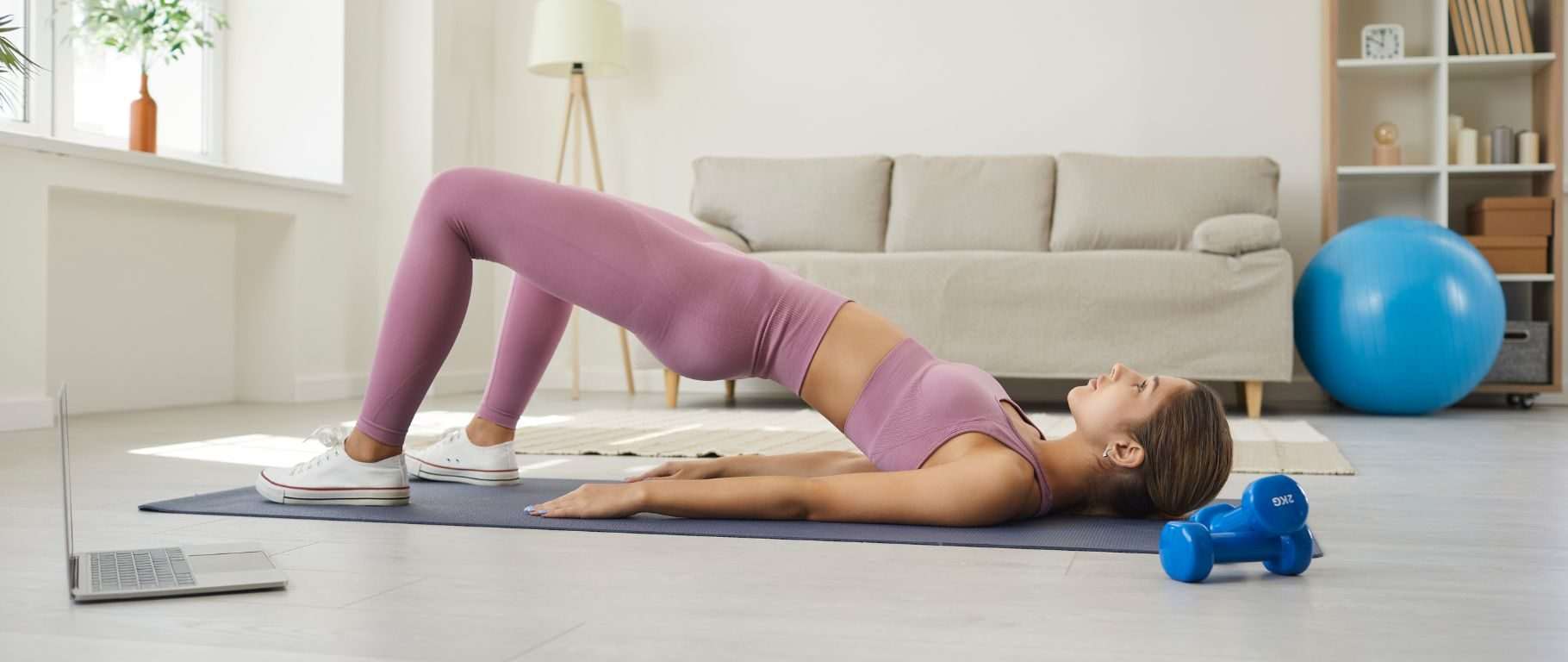
Gentle breathing and core activation in early weeks
Pelvic floor exercises customized to muscle tone
Education on posture, lifting, and bowel habits
Progression to strength and mobility training
Benefits of Early Physiotherapy Intervention
Starting therapy early helps:
Prevent chronic pain and dysfunction
Shorten recovery time
Support mental and emotional well-being
Enable safe return to activity and exercise
Restore confidence in ones body
Reclaiming Strength, Confidence, and Function
Postpartum physiotherapy isnt just about healingits about thriving. It allows new mothers to feel strong, stable, and supported. It reduces the risk of future issues like prolapse or incontinence and helps rebuild confidence in movement and intimacy.
YFS: Supporting Your Postpartum Journey
At YourFormSux, we understand that every childbirth story is different. Our physiotherapy programs are designed to meet you where you are, whether youre newly postpartum or still dealing with symptoms months or years after birth. Recovery is possible, and were here to guide you every step of the way.
Prioritize your pelvic health todayyour future self will thank you.