Vaginal dryness and discomfort affect a large number of women across different life stageswhether due to hormonal changes during menopause, postpartum recovery, or even stress. While most people associate physiotherapy with muscle rehabilitation or sports injuries, pelvic floor physiotherapy plays a transformative role in addressing intimate health issues like vaginal dryness and discomfort.

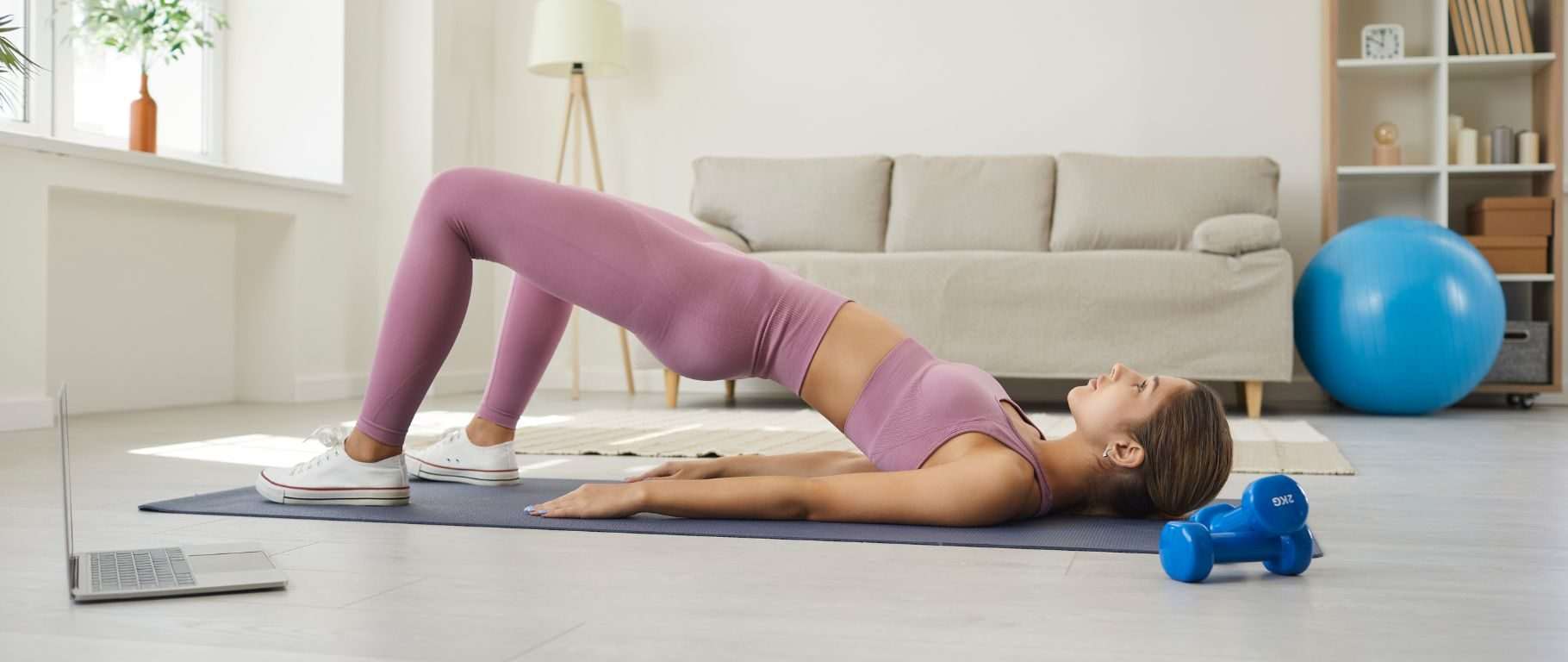
Vaginal dryness and discomfort affect a large number of women across different life stageswhether due to hormonal changes during menopause, postpartum recovery, or even stress. While most people associate physiotherapy with muscle rehabilitation or sports injuries, pelvic floor physiotherapy plays a transformative role in addressing intimate health issues like vaginal dryness and discomfort. This form of therapy provides a non-invasive, drug-free pathway to restore tissue health, circulation, and comfort.
Understanding Vaginal Dryness and Its Causes
Vaginal dryness occurs when the vaginal tissues lose their natural lubrication and elasticity. This can lead to itching, burning, irritation, and pain during daily activities or intimacy. Common causes include:
Menopause and hormonal changes
Postpartum hormone fluctuations
Stress and anxiety
Medications such as antidepressants or antihistamines
Pelvic surgery or radiation
Poor pelvic floor muscle function
Regardless of the cause, untreated vaginal discomfort can diminish quality of life, sexual well-being, and overall confidence.
The Role of Pelvic Floor Physiotherapy
Pelvic floor physiotherapists are trained to assess and treat issues related to the muscles, nerves, and tissues of the pelvic region. When it comes to vaginal dryness, pelvic physiotherapy focuses on:
Improving pelvic blood flow and tissue health
Enhancing elasticity and moisture retention in the vaginal walls
Reducing muscle tension and spasm
Improving posture and alignment to reduce pressure on the pelvic area
This approach is especially helpful for women who prefer a natural or holistic treatment path.
Manual Therapy for Muscle and Tissue Release
Often, vaginal dryness is accompanied by tight or overactive pelvic floor muscles, which restrict blood flow and oxygen to vaginal tissues. A physiotherapist may use manual therapy techniques to gently release trigger points, improve tissue mobility, and relieve discomfort. These techniques encourage nutrient-rich blood flow to the area, supporting healing and natural lubrication.
Myofascial Release and Vaginal Health
The fasciaa thin layer of connective tissuecan become stiff or restricted due to chronic inflammation, surgery, or hormonal changes. Pelvic physiotherapists use gentle myofascial release to restore flexibility and softness to the vaginal area, which can significantly improve comfort and reduce dryness.
Pelvic Floor Exercises for Circulation and Support
Targeted exercises help restore muscle tone and function in the pelvic floor. Contrary to popular belief, its not always about tightening; for some women, learning how to relax these muscles is just as important. Exercises may include:
Gentle diaphragmatic breathing to relax tension
Biofeedback techniques for better pelvic awareness
Coordination exercises to balance contraction and release
Better muscle coordination directly supports vaginal tissue function, improves lubrication, and reduces the risk of pain.
Electrical Stimulation and Vaginal Tissue Regeneration
In some cases, physiotherapists use gentle electrical stimulation to improve nerve function and blood supply to the vaginal area. This technique can stimulate tissue repair, support lubrication, and enhance neuromuscular control. It is non-invasive and performed under professional supervision.
Posture, Alignment, and Nervous System Impact
Poor posture and chronic lower back or hip tension can compress nerves that serve the pelvic area. Pelvic physiotherapists address these biomechanical issues by improving body alignment, core stability, and spine mobility. Restoring optimal nerve flow to the pelvic region supports long-term vaginal health and comfort.
Psychological Support Through Body Awareness
Physiotherapy doesnt just treat symptomsit helps women reconnect with their bodies. Many women with chronic vaginal dryness experience shame, anxiety, or frustration. Pelvic floor physiotherapy provides education, reassurance, and a safe environment to discuss intimate symptoms openly. Empowering women with knowledge and body awareness fosters long-term relief and confidence.
Conclusion
Vaginal dryness and discomfort dont have to be silently endured. Physiotherapy offers a science-backed, compassionate, and highly effective solution tailored to each womans needs. Through hands-on treatment, personalized exercises, and nervous system support, pelvic floor physiotherapy addresses the root causes of vaginal dryness and helps restore function, comfort, and quality of life.