When it comes to lifelong well-being, most people focus on heart health, strength training, or flexibility. However, few realize that pelvic floor health is just as criticalespecially for women.

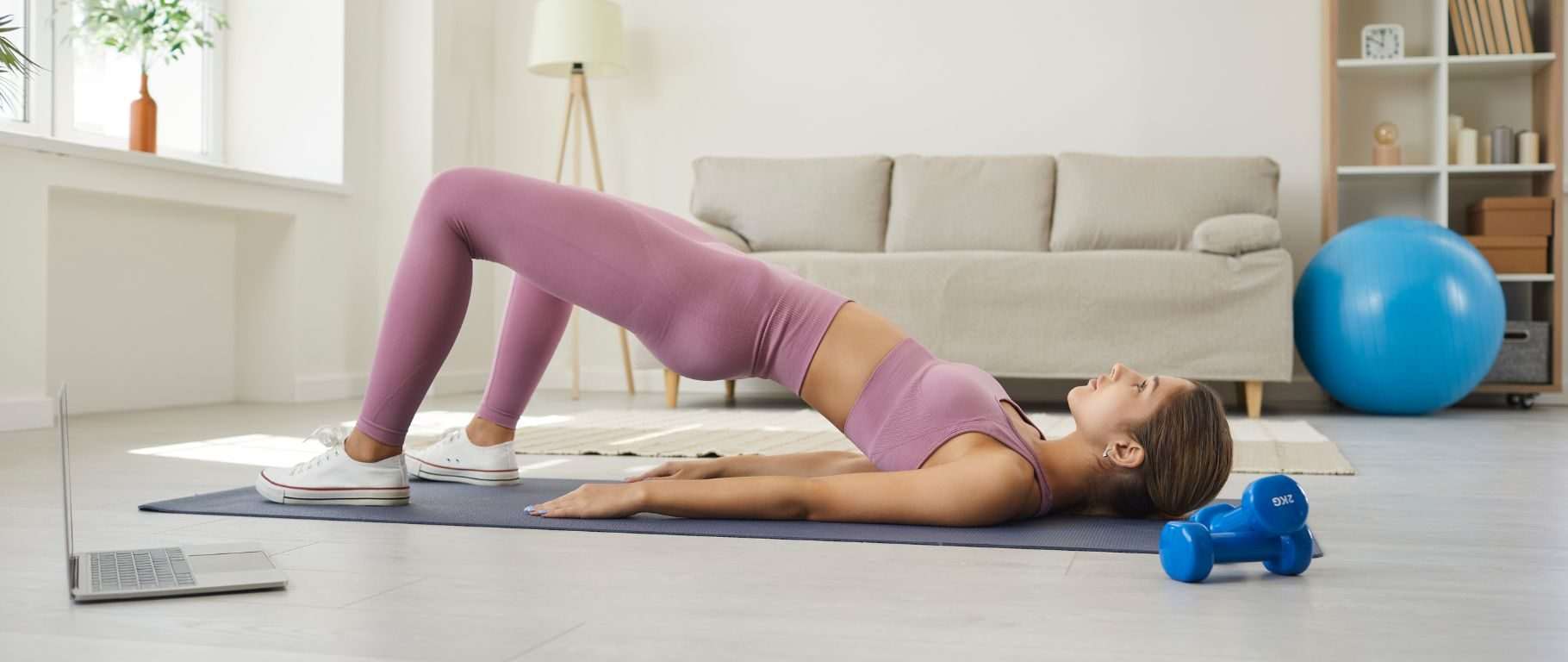
When it comes to lifelong well-being, most people focus on heart health, strength training, or flexibility. However, few realize that pelvic floor health is just as criticalespecially for women. Regular pelvic floor exercises not only support bladder control and sexual health but also play a key role in core stability, posture, and overall mobility.
What Are Pelvic Floor Exercises?
Pelvic floor exercises involve activating and relaxing the muscles that support the uterus, bladder, bowel, and vagina. These muscles stretch from the pubic bone to the tailbone and play a key role in continence, organ support, and internal pressure regulation. When trained correctly, they improve function and help prevent common issues like incontinence, prolapse, and pain.
Long-Term Benefits of Pelvic Floor Training
Prevention of Urinary Incontinence
One of the most well-known benefits of pelvic floor exercises is the prevention and management of stress and urge incontinence. As women age, hormonal changes and muscle weakening increase the risk of leakage. Strengthening these muscles helps maintain bladder control during coughing, sneezing, or exercise.
Support During Pregnancy and Postpartum Recovery
Regular pelvic floor training prepares the body for pregnancy, labor, and recovery. Strong muscles help manage the pressure from a growing uterus and reduce the risk of tearing during childbirth. After delivery, they aid in healing, bladder control, and organ support.
Improved Sexual Function and Sensation
Healthy pelvic floor muscles improve blood circulation and nerve sensitivity, which enhances arousal, lubrication, and satisfaction. Many women report more fulfilling intimacy as a result of consistent pelvic muscle training.
Protection Against Pelvic Organ Prolapse
As women age, weakened pelvic floor muscles can lead to pelvic organ prolapsewhere organs like the bladder or uterus descend into the vaginal canal. Regular training reinforces the muscles that support these organs, minimizing prolapse risk and symptoms.
Better Core Stability and Posture
The pelvic floor is a foundational part of the core, working alongside abdominal, back, and diaphragm muscles. Strengthening it improves balance, spinal alignment, and functional movementespecially for women who sit for long hours or engage in physical activity.
Pain Management for Pelvic Conditions
Conditions like endometriosis, interstitial cystitis, and vulvodynia can cause pelvic pain. Regular, guided pelvic floor exercises can reduce muscle tension, improve circulation, and ease chronic discomfort. Physiotherapists tailor programs for pain relief and long-term resilience.
How to Incorporate Pelvic Floor Exercises into Daily Life
Consistency is key. Unlike one-time stretches or treatments, pelvic floor health relies on regular practice. Physiotherapists recommend:
Setting daily reminders to do 35 minutes of exercises
Learning correct technique through guided sessions
Combining exercises with breathwork and relaxation
Progressively increasing intensity and coordination
Once incorporated into your daily wellness routine, these exercises become second nature.
Avoiding Common Mistakes
Many women unknowingly perform pelvic floor exercises incorrectly, either over-clenching or failing to engage the correct muscles. Working with a pelvic floor physiotherapist ensures:
Correct identification of pelvic muscles
Balanced use of contraction and relaxation
Personalized guidance for unique physical needs
Without proper technique, exercises can do more harm than goodespecially for women with pelvic pain or hypertonicity.
Physiotherapy Support for Long-Term Outcomes
Pelvic floor physiotherapy provides education, accountability, and support for long-term success. Whether youre recovering from childbirth, managing menopause symptoms, or simply seeking better health, physiotherapy offers expert guidance to make your efforts effective and sustainable.
Conclusion
Pelvic floor exercises are not just for short-term fixestheyre a lifelong investment in health, function, and confidence. When practiced regularly and correctly, they help women prevent common pelvic issues, recover faster from life changes, and maintain vitality throughout every stage of life. With the support of pelvic health physiotherapy, these simple yet powerful exercises become the foundation for long-term well-being.