


If you’re putting in the effort to crush your workouts, dont let poor recovery sabotage your results. Whether you’re lifting heavy, running long distances, or engaging in high-intensity interval training, proper muscle recovery is essential…

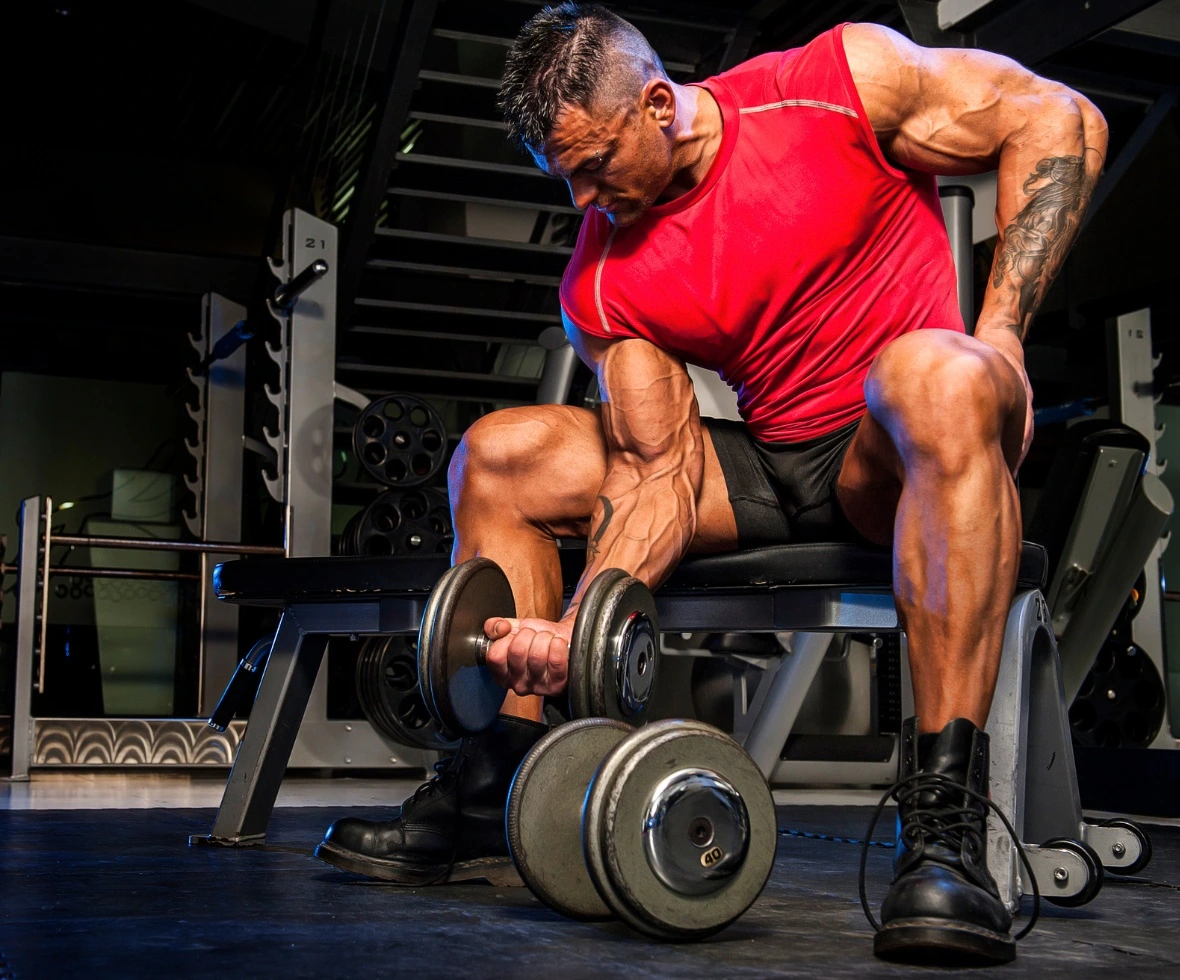
If you’re putting in the effort to crush your workouts, dont let poor recovery sabotage your results. Whether you’re lifting heavy, running long distances, or engaging in high-intensity interval training, proper muscle recovery is essential for building strength, reducing fatigue, and preventing injury. At YourFormSux, we help Canadians fine-tune every aspect of their trainingand that includes smart, science-backed recovery strategies.
In this blog, were diving into everything you need to know about maximizing muscle recovery post-workout, with practical tips that you can start using immediately. Lets get into it.
Why Muscle Recovery Matters
When you train hard, your muscle fibers experience microscopic damage. Thats not a bad thingits actually how your body gets stronger. But the real magic happens after the workout, during the recovery phase. This is when your muscles repair, rebuild, and grow stronger.
Neglecting recovery can lead to:
Persistent muscle soreness
Reduced performance
Fatigue and burnout
Increased risk of injury
Thats why its not just about what you do in the gym, but what you do after that makes a huge difference.
Prioritize Post-Workout Nutrition
One of the most effective ways to support muscle recovery is through proper post-workout nutrition. After an intense session, your body needs nutrientsfast.
Focus on These Key Nutrients:
Protein: Critical for muscle repair. Aim for 2030 grams of high-quality protein within 3060 minutes after your workout.
Carbohydrates: Help replenish glycogen stores and fuel recovery. A 2:1 ratio of carbs to protein is ideal for most people.
Electrolytes: Sodium, potassium, magnesium, and calcium help prevent cramping and support hydration.
Long-tail SEO keywords: best post-workout recovery foods, what to eat after intense workouts, how to refuel muscles fast.
Hydration Is Non-Negotiable
Its easy to overlook, but hydration plays a massive role in muscle recovery. Dehydration slows down every physiological processincluding the ones that rebuild muscle tissue.
Drink water consistently throughout the day, not just during and after your workout. And if youve had a sweaty session, consider adding an electrolyte-rich drink to your recovery routine.
Short-tail SEO keywords: hydration for recovery, muscle recovery hydration.
Incorporate Active Recovery
Sometimes, the best way to recover from a workout isnt total rest. Its active recoverylow-intensity movement that promotes circulation without putting additional strain on your body.
Try:
Light jogging or walking
Cycling at a slow pace
Swimming or aqua jogging
Gentle yoga or dynamic stretching
Active recovery days can reduce Delayed Onset Muscle Soreness (DOMS) and help flush out metabolic waste products like lactic acid.
SEO keywords: active recovery for sore muscles, how to reduce muscle soreness fast, best ways to recover after workouts.
Make Sleep a Top Priority
When it comes to maximizing muscle recovery, sleep is your bodys secret weapon. During deep sleep, growth hormone is released, which is essential for tissue repair and muscle growth.
Aim for 79 hours of quality sleep every night. If youre training hard or increasing your workout volume, your body might even need more.
Optimize your sleep by:
Keeping your room cool and dark
Avoiding screens an hour before bed
Maintaining a consistent sleep schedule
AEO-friendly search phrases: how much sleep do muscles need to recover, best sleep habits for fitness recovery.
Dont Skip the Cool Down
Its tempting to finish your last rep and head straight to the showers, but skipping your cool down is a recovery mistake. A proper cool down helps your heart rate return to normal and encourages blood flow, which aids in nutrient delivery and waste removal.
Spend 510 minutes doing light aerobic activity and stretching the muscles you trained. Your future self will thank you.
SEO tip: Use keywords like post-workout cooldown routine, benefits of cooling down after exercise.
Add Recovery Tools to Your Arsenal
Youve probably seen foam rollers, massage guns, and compression sleeves trending on social mediaand for good reason. These tools can speed up recovery by improving circulation, reducing muscle tightness, and increasing range of motion.
Popular recovery tools include:
Foam rollers: Break up muscle knots and improve fascia mobility
Massage guns: Provide deep tissue massage to sore spots
Compression wear: Enhance circulation and reduce swelling
Epsom salt baths: Help relax muscles and reduce inflammation
SEO-rich phrases: best recovery tools for athletes, foam rolling for muscle recovery, massage guns for soreness.
Monitor Your Training Load
More isnt always better. In fact, overtraining is a common reason people plateau or get injured. Make sure youre balancing your workout intensity with adequate rest.
Use a training log to monitor:
Workout duration
Intensity level
Recovery days
Sleep and soreness levels
At YFS, we emphasize listening to your body. Some weeks youll need to push. Others, youll need to pull back. Thats what intelligent training looks like.
SEO keywords: signs of overtraining, how to balance workouts and recovery.
Supplement SmartNot Blindly
Supplements can help fill nutritional gaps, but they shouldnt replace whole foods. That said, a few science-backed supplements can support muscle recovery:
Whey protein: Convenient and fast-digesting
Creatine monohydrate: Supports ATP production and muscle repair
Branched-Chain Amino Acids (BCAAs): May reduce muscle soreness
Magnesium and zinc: Help with muscle relaxation and recovery
Always choose high-quality, third-party-tested products, and consult with a professional before starting a new supplement.
Searchable long-tail keywords: best supplements for muscle recovery, should I take BCAAs after workout, post-workout supplement guide.
Final Thoughts
Recovery isnt a luxuryits a requirement. At YourFormSux, were all about pushing boundaries in your workouts, but we also know that real gains are made during rest. By dialing in your post-workout nutrition, hydration, sleep, and active recovery practices, youll see better results, feel less sore, and stay injury-free longer.
Looking to take your recovery and training to the next level? Connect with the YFS team today. Lets build muscle, crush goals, and recover like prostogether.

