Many people underestimate the role the pelvic floor plays in overall body strength. While commonly associated with bladder control or postpartum recovery, the pelvic floor is a vital component of the bodys core support system.

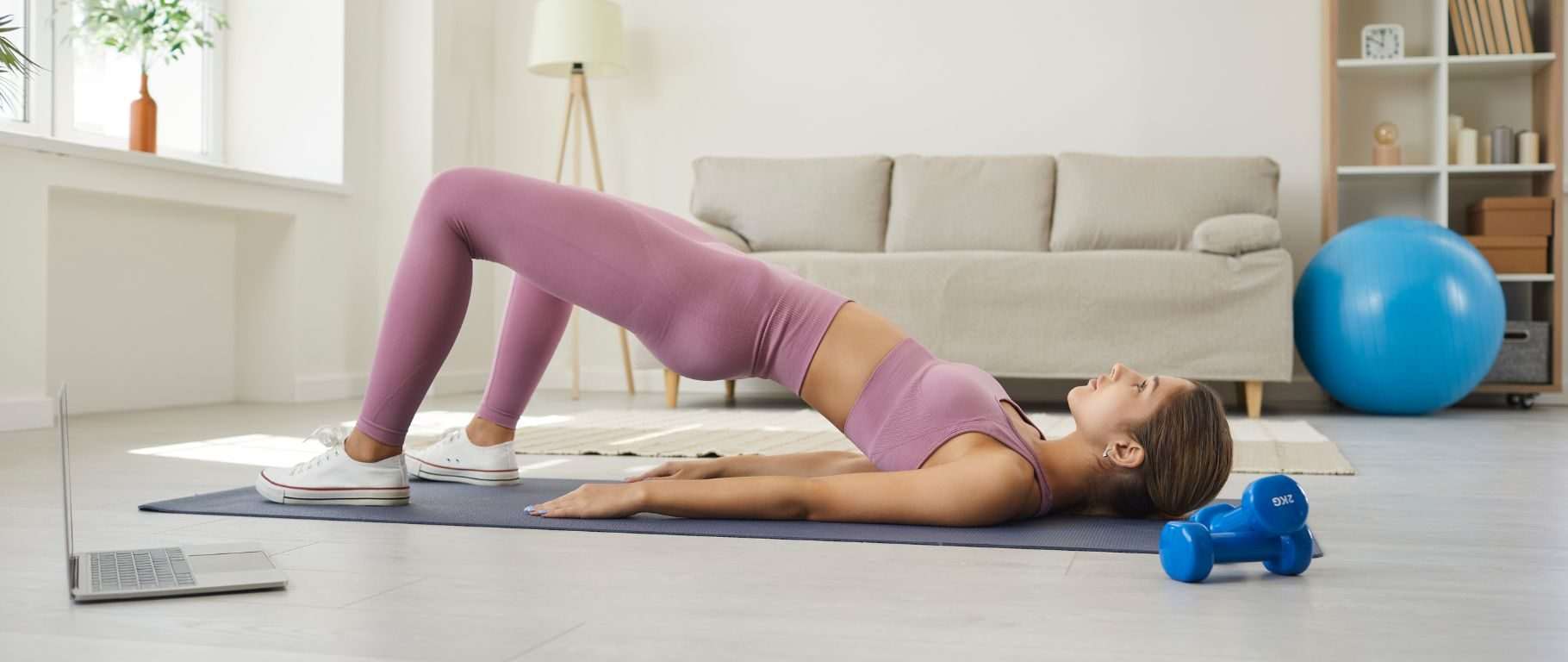
Many people underestimate the role the pelvic floor plays in overall body strength. While commonly associated with bladder control or postpartum recovery, the pelvic floor is a vital component of the bodys core support system. Understanding how pelvic floor health affects your total-body strength can help you move better, lift safely, and prevent injury at any stage of life.
What Is the Pelvic Floor and Why Does It Matter?
The pelvic floor is a group of muscles and connective tissues at the base of your pelvis. These muscles act like a hammock to support your bladder, uterus, and rectum. But their function extends far beyond internal organ support.
Pelvic floor muscles interact with your deep core muscles, including the transverse abdominis, diaphragm, and multifidus. Together, these muscles form the deep core system responsible for stabilizing the spine and pelvis during movement. If your pelvic floor is weak, uncoordinated, or overactive, the rest of your body compensatesusually leading to dysfunction, pain, or decreased performance.
Pelvic Floor Health and Core Strength
A healthy pelvic floor contracts and relaxes in coordination with your breath and movement. This muscular coordination is crucial during lifting, bending, walking, or engaging in high-impact sports. A strong pelvic floor enhances intra-abdominal pressure, which allows you to stabilize your trunk and prevent excess strain on your back and hips.
Poor pelvic floor function can lead to instability in your core. This may manifest as:
Low back pain
Hip tightness or imbalance
Incontinence during exercise
Pelvic heaviness or pressure
Reduced strength performance
Strengthening your pelvic floor isn’t just about Kegelsits about retraining your entire core system to work in harmony.
Physiotherapys Role in Strength Building
Pelvic floor physiotherapists assess how well your pelvic muscles work in coordination with other parts of your body. If youre struggling with posture, core engagement, or athletic performance, pelvic physiotherapy can help reset your foundation.
Treatment often includes:
Manual therapy to release tight or overactive pelvic floor muscles
Breathing techniques to connect diaphragm and pelvic floor function
Core strengthening exercises adapted to your specific needs
Movement retraining to stabilize your spine during functional activities
Through this holistic approach, physiotherapy not only improves pelvic health but also restores your total-body strength.
Athletes and Active Individuals: Why Pelvic Floor Strength Matters
Even among high-level athletes, pelvic floor dysfunction can go unnoticed. Symptoms like leaking urine during running or lifting weights are signs of a weak or uncoordinated pelvic floornot just a normal part of sports.
Training your pelvic floor in the context of full-body movement improves your power, stability, and injury resilience. Whether you’re squatting in the gym or picking up your child, pelvic health directly impacts your ability to move with strength and control.
Aging and Lifelong Strength
Pelvic floor muscles, like all muscles, lose tone with age. Hormonal changes, inactivity, and chronic poor posture contribute to weakness in the pelvic region, which in turn leads to more noticeable balance issues, reduced core strength, and fall risk.
Pelvic floor physiotherapy provides strategies to maintain muscular support and coordination throughout life, improving your ability to stay active and strong well into older age.
Final Thoughts
Your pelvic floor is a foundational component of your overall strength. When it’s functioning well, it supports your organs, enhances your stability, improves your posture, and helps you move with confidence. Whether youre dealing with pain, weakness, or just want to optimize your movement, a pelvic health physiotherapist can guide you toward better body function through targeted care. Strength starts from the insideand the pelvic floor is the powerhouse you shouldnt ignore.