Pelvic pain is more common than most women realize, yet it often goes unaddressed or misdiagnosed. From sharp aches to dull, chronic discomfort, pelvic pain can significantly affect a woman’s quality of life.

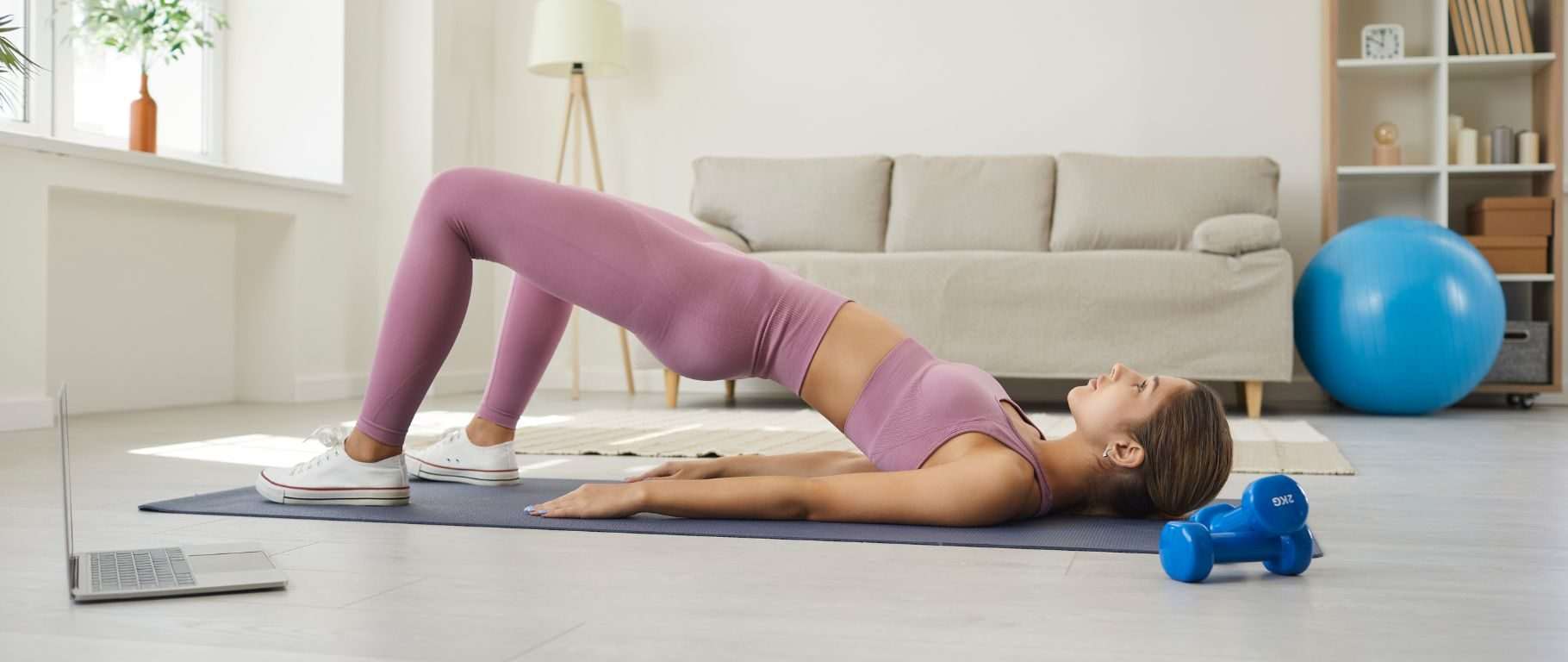
Pelvic pain is more common than most women realize, yet it often goes unaddressed or misdiagnosed. From sharp aches to dull, chronic discomfort, pelvic pain can significantly affect a woman’s quality of life. Physiotherapy offers a non-invasive, evidence-based approach to managing and relieving pelvic pain. By focusing on pelvic floor rehabilitation, posture correction, core strengthening, and manual therapy, physiotherapists help women regain control of their health and comfort.
Understanding the Root Causes of Pelvic Pain in Women
Pelvic pain can stem from a variety of causes. It may originate from pelvic floor muscle dysfunction, scar tissue from childbirth or surgery, nerve compression, posture misalignment, or inflammation due to conditions like endometriosis, interstitial cystitis, or irritable bowel syndrome. Because of the pelvic regions close connection with the hips, lower back, and abdominal organs, a comprehensive physiotherapy assessment is essential for identifying the true source of the discomfort.
How Physiotherapy Treats Pelvic Pain
A tailored physiotherapy plan addresses not only the symptoms but also the contributing factors. Physiotherapists begin with a thorough assessment, including posture evaluation, pelvic alignment testing, breathing mechanics, and an internal or external examination of the pelvic floor muscles when appropriate.
Once the causes are understood, treatment may include:
Manual therapy to release tight tissues, reduce muscle guarding, and improve mobility
Pelvic floor muscle retraining to address hypertonicity (tight muscles) or weakness
Neuromuscular re-education to improve the connection between the brain and pelvic floor
Myofascial release to reduce internal and external tension
Guided stretching and mobility routines to support better pelvic alignment
The Importance of Postural Correction and Core Stability
Posture plays a pivotal role in pelvic health. Poor alignment of the pelvis or spine can lead to uneven muscle activation and added pressure on pelvic organs. Physiotherapists provide exercises that support neutral pelvic alignment, enhance lumbar support, and strengthen the deep core muscles, which include the diaphragm, multifidus, transversus abdominis, and pelvic floor.
Breathing techniques are also emphasized to coordinate diaphragmatic breathing with pelvic floor motion. When done correctly, this synergy promotes blood flow, reduces pain, and encourages natural muscle activation patterns.
Education Is Central to Pain Management
Many women dealing with pelvic pain feel confused or isolated. Physiotherapy sessions often include valuable education about anatomy, pain perception, and daily activity modifications. By learning how to properly lift, bend, sit, and move, women reduce stress on the pelvis and build long-term resilience.
Tools Physiotherapists May Use in Treatment
Depending on the severity and origin of the pain, physiotherapists may incorporate:
Electrical stimulation to reduce pain or retrain muscles
Biofeedback to help patients learn how to properly contract and relax pelvic floor muscles
Dilator therapy for those with pain related to sexual function or internal examination
External supports such as SI belts or posture aids
Why Early Intervention Matters
The longer pelvic pain persists, the more likely the nervous system becomes sensitized to it. Early intervention through physiotherapy can prevent the development of chronic pain patterns and provide women with the tools to take control of their well-being before the issue escalates.
Conclusion: Relief Is Possible with the Right Physiotherapy Approach
Pelvic pain can be frustrating, but it is treatable. Physiotherapy provides a safe, effective, and personalized approach to pain relief. Women experiencing ongoing pelvic discomfort should not wait until it becomes debilitating. A proactive strategy with the support of a licensed physiotherapist can make all the difference in achieving long-term pelvic health.