Discover the wide-ranging benefits of chiropractic care for pain relief, mobility, and whole-body wellness.

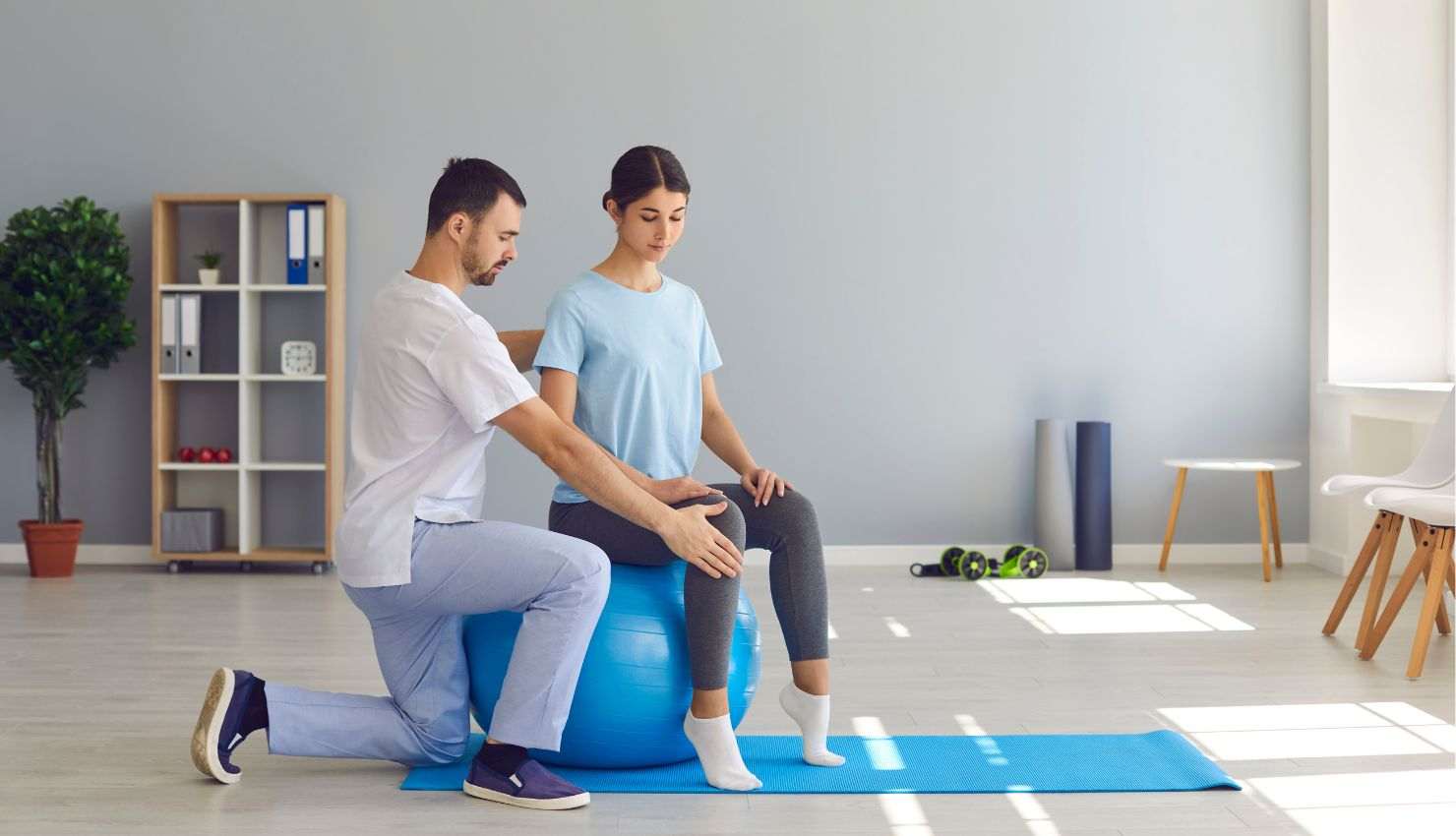
Gaming isnt just about fast fingers and quick reflexesits about keeping your body in peak condition so you can keep playing pain-free and at your best. Thats where physiotherapy exercises come in! These arent your average stretchestheyre targeted moves designed to strengthen, stretch, and protect the muscles and joints gamers use the most.
Ready? Lets level up your hand and body health with these top exercises every gamer should know.
1. Wrist Flexor Stretch
Why: Gaming means your wrists are constantly flexing and extending. This stretch helps prevent stiffness and tendonitis.
How to do it:
Extend one arm straight in front of you, palm up.
With your other hand, gently pull your fingers back toward your body.
Hold for 2030 seconds, then switch hands.
Repeat 23 times.
2. Wrist Extensor Stretch
Why: Balances the wrist flexor stretch and reduces tension in your forearms.
How to do it:
Extend one arm in front, palm down.
Use your other hand to gently press your fingers down and back.
Hold for 2030 seconds, then swap.
Repeat 23 times.
3. Finger Lifts
Why: Strengthens your finger extensors, which are often neglected but crucial for dexterity and endurance.
How to do it:
Place your hand flat on a table, palm down.
Slowly lift one finger at a time, hold for 1-2 seconds, then lower it.
Repeat 10 times per finger, both hands.
4. Grip Squeezes
Why: Builds overall hand strength, which helps with clicking speed and endurance.
How to do it:
Grab a soft stress ball or grip strengthener.
Squeeze and hold for 5 seconds, then release.
Do 10-15 reps, 23 times a day.
5. Thumb Opposition
Why: Strengthens your thumb muscles for better control and precision.
How to do it:
Touch the tip of your thumb to the tip of each fingertip on the same hand, one at a time.
Repeat 10 times per finger.
Do this with both hands.
6. Forearm Pronation and Supination
Why: Improves wrist rotation mobility, which helps with controller handling and mouse movements.
How to do it:
Hold your forearm out, elbow bent at 90 degrees.
Rotate your palm up (supination) and then down (pronation).
Do 15-20 rotations per arm.
7. Shoulder Blade Squeezes
Why: Gaming often causes rounded shoulders. This exercise strengthens your upper back to improve posture.
How to do it:
Sit or stand tall.
Squeeze your shoulder blades together like youre trying to hold a pencil between them.
Hold for 5 seconds, then relax.
Repeat 10-15 times.
8. Neck Stretches
Why: Keeps your neck mobile and reduces tension from hours staring at the screen.
How to do it:
Tilt your head slowly to one side, bringing your ear toward your shoulder.
Hold for 20 seconds, then switch sides.
Repeat 2-3 times.
Bonus Tips for Success:
Warm-up before gaming with some light stretches.
Take breaks every 3060 minutes to do quick mobility exercises.
Maintain good posture while playingkeep your back straight, wrists neutral, and screen at eye level.
Wrap-Up: Protect Your Hands, Boost Your Game
These physiotherapy exercises arent just for injury recoverytheyre your secret weapons for injury prevention and better gameplay endurance. Incorporate them into your routine, and your hands, wrists, and shoulders will thank you. Plus, youll stay sharp and comfortable during those epic gaming marathons.