Pelvic floor dysfunction affects millions of women, yet it remains underdiagnosed and undertreated. From urinary incontinence and pelvic organ prolapse to constipation and sexual discomfort, pelvic floor dysfunction symptoms can disrupt daily life and self-confidence.

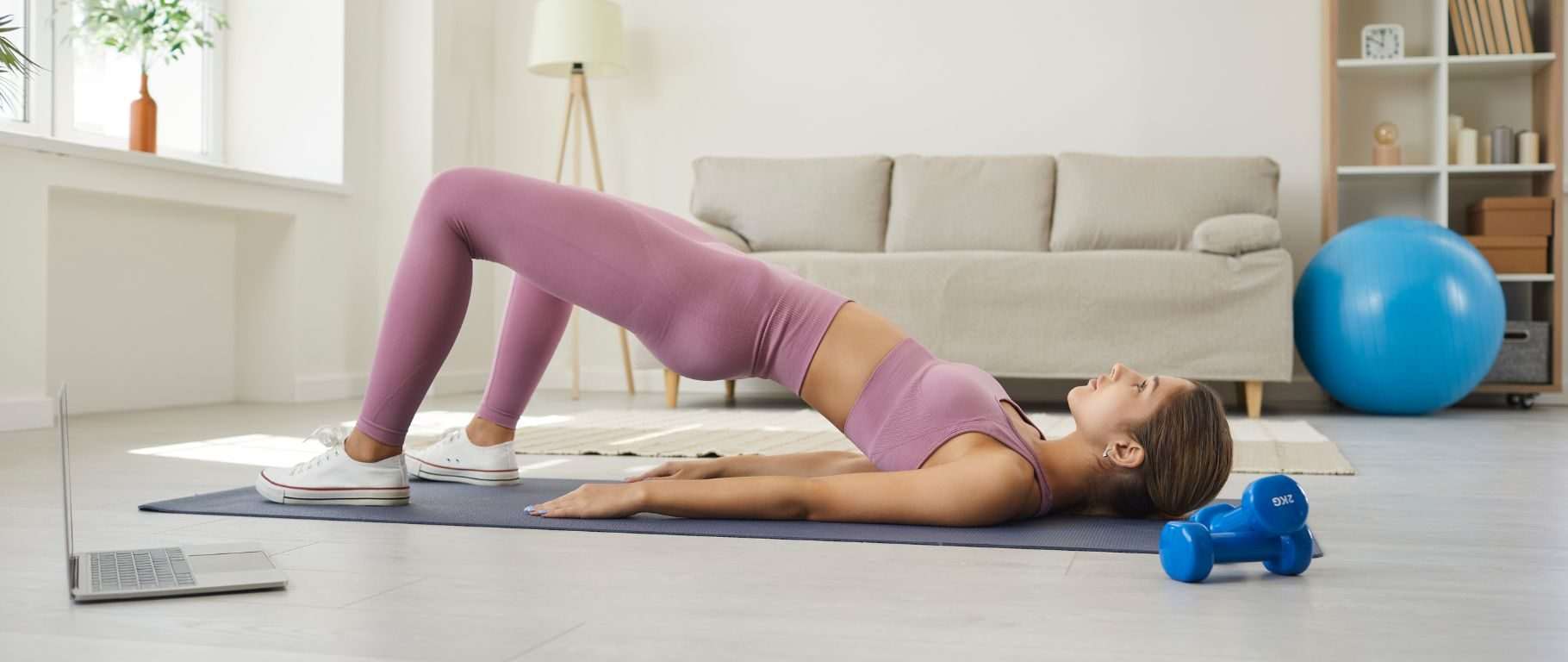
Pelvic floor dysfunction affects millions of women, yet it remains underdiagnosed and undertreated. From urinary incontinence and pelvic organ prolapse to constipation and sexual discomfort, pelvic floor dysfunction symptoms can disrupt daily life and self-confidence. Physiotherapy offers targeted, non-invasive treatments that help women reduce these symptoms and improve their quality of life.
What Is Pelvic Floor Dysfunction?
The pelvic floor is a group of muscles that support the bladder, uterus, rectum, and bowel. These muscles play a key role in continence, sexual function, and core stability. When they become too tight, too weak, or uncoordinated, a woman may experience symptoms such as:
Leakage during exercise or coughing
Urinary urgency or frequency
Pelvic pressure or heaviness
Pain during intercourse
Constipation or incomplete bowel movements
Lower back or hip pain associated with poor pelvic support
How Physiotherapy Addresses Pelvic Floor Dysfunction
Physiotherapists trained in pelvic health begin with a detailed assessment of pelvic alignment, muscle strength, coordination, posture, and breathing patterns. If appropriate, an internal exam helps to evaluate muscle tone and trigger points.
Based on the findings, treatment is customized to address specific dysfunctions. The physiotherapy plan may include:
Pelvic floor strengthening exercises for weakness and prolapse support
Relaxation techniques and stretching for tight, overactive muscles
Biofeedback training to improve awareness and control of the pelvic floor
Manual therapy to release adhesions, scar tissue, or tight fascia
Education on bladder and bowel habits to support lifestyle changes
Core stabilization training to ensure full-body support for pelvic function
Why Kegels Arent Always the Answer
While Kegels are often recommended, they are not appropriate for everyone. Women with a tight pelvic floor may actually worsen their symptoms with Kegel exercises. A physiotherapist helps determine whether the pelvic floor needs strengthening, relaxation, or retraining, and creates a balanced program accordingly.
The Connection Between the Pelvic Floor and the Whole Body
Pelvic floor dysfunction rarely occurs in isolation. It often connects to poor posture, weak gluteal or abdominal muscles, altered breathing patterns, or misalignment in the hips or spine. Physiotherapists address these broader biomechanical issues to ensure the pelvic floor is supported by a healthy foundation.
Postpartum Recovery and Hormonal Transitions
Women often develop pelvic floor symptoms after childbirth, during perimenopause, or post-menopause. During these times, tissue elasticity changes, hormone levels fluctuate, and muscle tone can decrease. Physiotherapy supports women through each stage of life with tailored plans that evolve as the body changes.
Building Confidence and Control
One of the most empowering aspects of pelvic floor physiotherapy is regaining a sense of control. Many women have silently tolerated symptoms like leakage or pain for years. With education, support, and structured progression, they can return to daily activities, exercise, and intimacy without fear or discomfort.
How Long Does It Take to See Improvement?
Every womans journey is unique. Some notice significant improvement within a few weeks, while others may take several months of consistent therapy. Physiotherapy offers both short-term relief and long-term tools to manage and reduce recurring symptoms.
Conclusion: Restoring Function Through Holistic Physiotherapy
Pelvic floor dysfunction is not something women should have to accept or live with indefinitely. Physiotherapy provides a holistic, functional, and evidence-based path to symptom reduction. By addressing both the pelvic floor and the contributing systems around it, women can experience real and lasting improvements in comfort, confidence, and quality of life.