Pelvic health and mental wellness are deeply interconnected, though this link often goes unrecognized. For many women, pelvic floor dysfunction isnt just a physical issueits an emotional one, too.

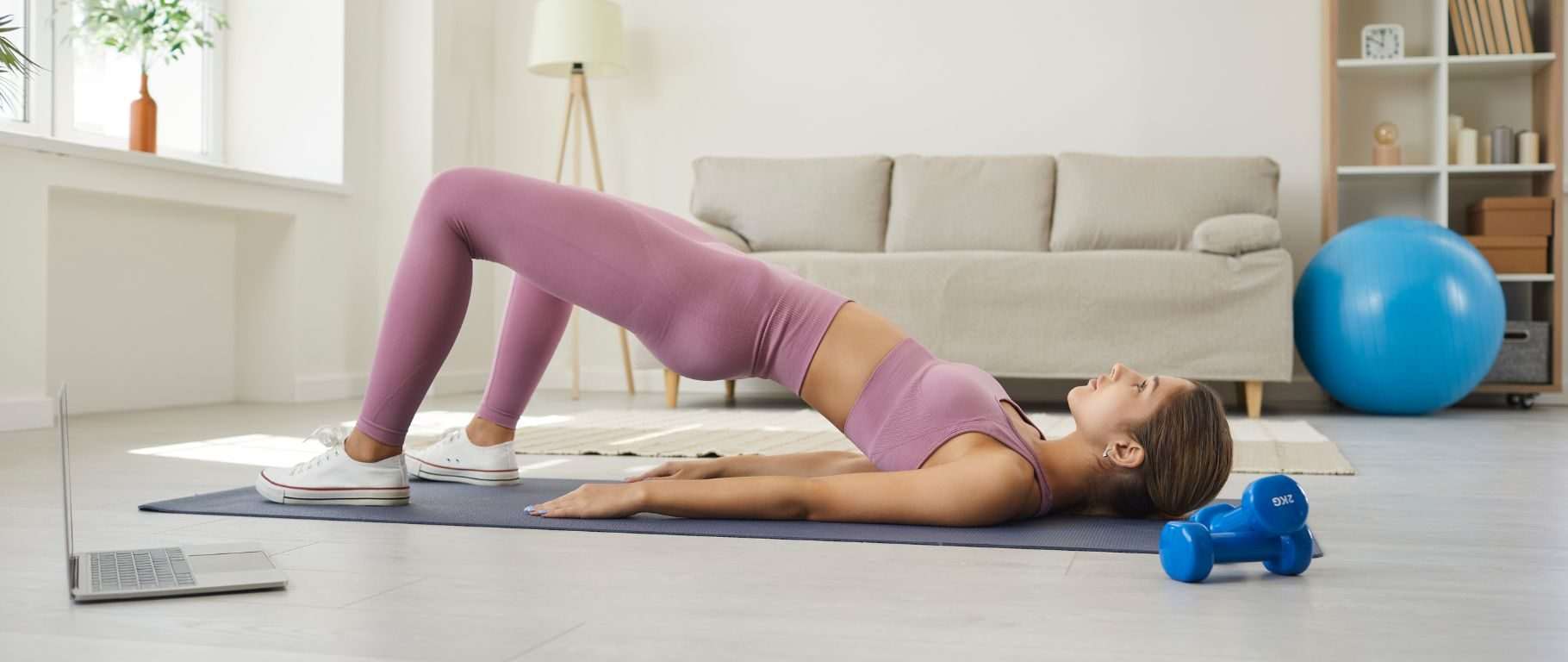
Pelvic health and mental wellness are deeply interconnected, though this link often goes unrecognized. For many women, pelvic floor dysfunction isnt just a physical issueits an emotional one, too. Conditions like urinary incontinence, pelvic pain, and pelvic organ prolapse can lead to anxiety, depression, body image concerns, and even social withdrawal.
Understanding the relationship between the body and mind is essential to providing comprehensive care. Thats why pelvic health physiotherapy in Canada is increasingly taking a holistic approachaddressing both the muscular and psychological impacts of pelvic dysfunction.
How Pelvic Health Affects Mental Wellness
The pelvic floor is more than just a group of musclesits central to your sense of stability, intimacy, and autonomy. When these functions are disrupted, women may experience:
Embarrassment about urinary leaks
Shame around painful intercourse
Fear of movement or exercise
Low self-esteem or poor body image
Feelings of isolation
These emotional struggles can create a cycle of stress and muscular tension, which in turn worsens pelvic floor symptoms. Physiotherapy helps break this loop by restoring confidence, control, and comfort in your own body.
The Stress-Pelvic Floor Connection
Stress is a known factor that contributes to pelvic floor dysfunction. When you’re chronically stressed, the body holds tensionoften in the hips, abdomen, and pelvic region. This persistent clenching can lead to:
Overactive pelvic floor muscles
Difficulty relaxing during urination or bowel movements
Painful intercourse
Poor sleep quality
Pelvic physiotherapists use techniques such as breathwork, mindfulness, and gentle stretching to down-regulate the nervous system. These strategies help relieve pelvic tension and support emotional well-being.
How Pelvic Floor Dysfunction Impacts Mental Health
Certain pelvic health conditions are particularly known to impact emotional well-being:
Urinary Incontinence: Constant worry about leakage can lead to reduced participation in social events or exercise.
Chronic Pelvic Pain: Pain has a strong link with anxiety and depression, especially when it disrupts sleep or intimacy.
Pelvic Organ Prolapse: A sensation of heaviness or something falling out can cause significant distress and fear.
These physical symptoms can create an emotional burden, making professional support even more critical.
How Physiotherapy Supports Mental Wellness
Pelvic floor physiotherapy offers more than just physical treatment. It also helps:
Rebuild trust in your body
Educate you about whats normal and whats treatable
Provide reassurance that youre not alone
Guide you through personalized strategies for self-care
Empower you to participate fully in daily life
Therapists also collaborate with mental health professionals when needed, ensuring that both the emotional and physical aspects of care are addressed.
Mind-Body Techniques to Support Pelvic Health
Adding mind-body strategies to your pelvic health routine can make a big difference in managing stress and restoring emotional balance:
Breathing Exercises: Diaphragmatic breathing calms the nervous system and reduces pelvic muscle tension.
Progressive Muscle Relaxation: Gently tensing and releasing muscles promotes relaxation throughout the pelvic region.
Mindful Movement: Practices like yoga and guided stretching improve body awareness and self-compassion.
Biofeedback Therapy: This technique helps you see how your muscles are responding and teaches relaxation or activation as needed.
Talking About Pelvic Health Reduces Stigma
One of the most powerful tools in improving both pelvic and mental health is simply conversation. The more women speak up, seek support, and advocate for physiotherapy care, the more normalized these issues become. Reducing stigma helps others feel less alone and more empowered to take action.
Conclusion
Pelvic health and mental wellness are inseparable. When one suffers, so does the other. Physiotherapy is a powerful, holistic tool that supports both aspectsrestoring not just function, but also peace of mind. Whether you’re experiencing symptoms or looking to prevent them, caring for your pelvic health is an act of emotional self-care as much as physical recovery. Your body and mind deserve integrated support, and physiotherapy offers just that.