Injury recovery can feel like a rollercoasterone day youre feeling better, the next day youre stiff, sore, and wondering if youll ever get back to normal. While rest, rehab, and maybe some ice packs are the usual go-tos, theres one healing tool more people are turning to: acupuncture.

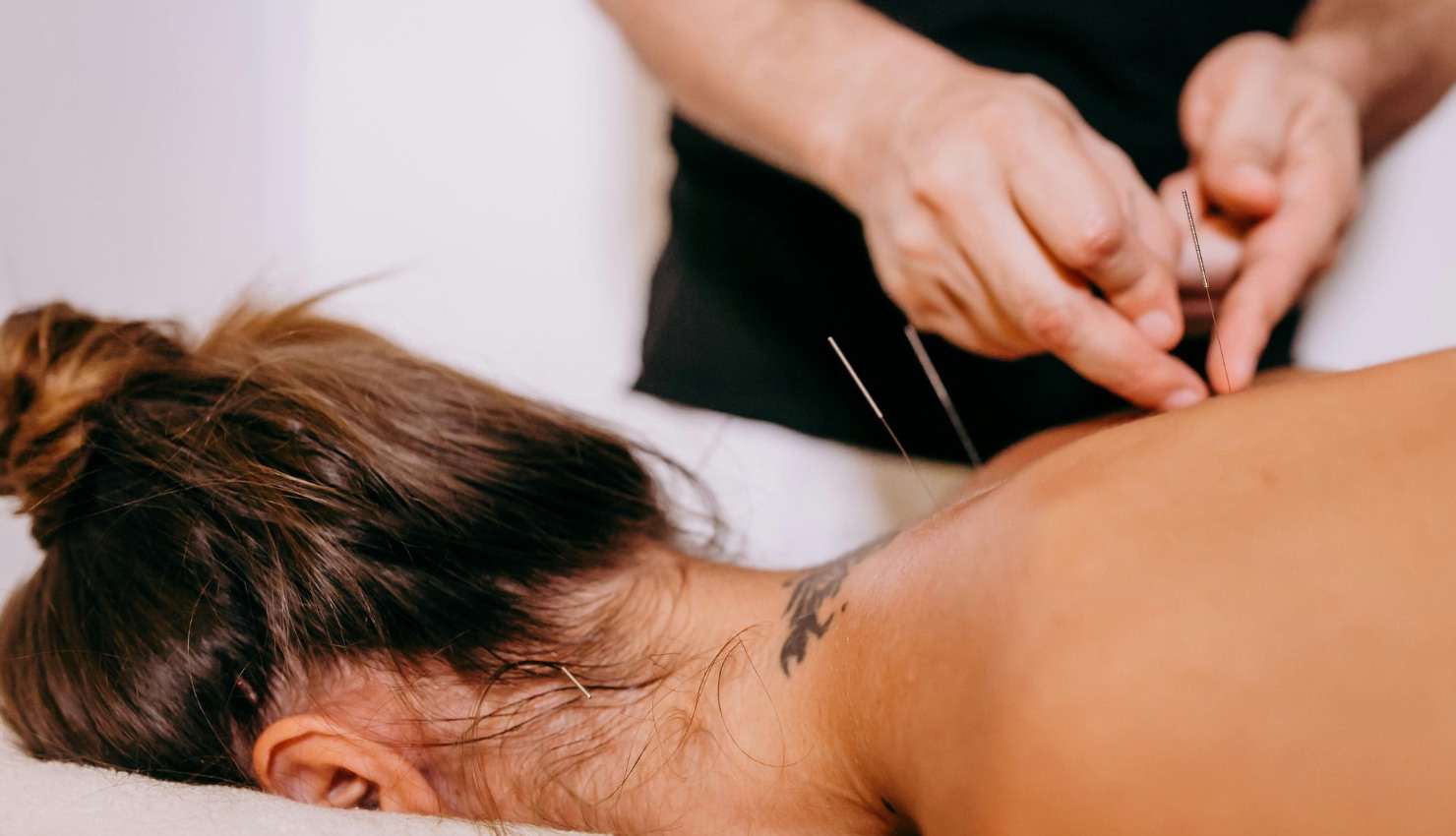
Injury recovery can feel like a rollercoasterone day youre feeling better, the next day youre stiff, sore, and wondering if youll ever get back to normal. While rest, rehab, and maybe some ice packs are the usual go-tos, theres one healing tool more people are turning to: acupuncture.
So, can acupuncture actually speed up your recovery from an injury?
Short answer: Yeswhen done right, acupuncture can be a powerful partner in the healing process. Lets unpack how it works and why so many athletes, weekend warriors, and everyday folks are adding it to their recovery routines.
What Happens to Your Body After an Injury?
Whether youve sprained an ankle, pulled a muscle, or had surgery, your body jumps into action: inflammation kicks in, blood rushes to the area, and your immune system starts working overtime to repair the damage.
But sometimes, things dont go as smoothly. Pain lingers. Swelling sticks around. Muscles stay tight. And the whole healing process can start to feel… slow.
This is where acupuncture steps in to help your body do what its already trying to dojust more efficiently.
How Acupuncture Speeds Up Injury Recovery
Acupuncture may look simple (just a few needles, right?), but what it does under the surface is pretty impressive:
1. Reduces Pain Naturally
Acupuncture helps release endorphinsyour bodys own natural painkillers. It also interrupts pain signals to the brain, helping you feel more comfortable and less reliant on medication.
2. Boosts Blood Flow to the Injured Area
Proper circulation is key for healing. Acupuncture improves local blood flow, delivering oxygen and nutrients that help tissues repair faster.
3. Eases Muscle Tension and Spasms
After an injury, muscles around the damaged area often tighten up protectively. Acupuncture helps those muscles relax, which improves your range of motion and reduces discomfort during physiotherapy or movement.
4. Reduces Swelling and Inflammation
Many injuries come with swellingand while its part of the healing process, too much can slow things down. Acupuncture helps clear out excess fluid and calm the bodys inflammatory response.
5. Activates the Nervous System
By stimulating specific points, acupuncture wakes up the nervous system, helping the brain reconnect with the injured area. This is especially helpful in cases of nerve damage, numbness, or post-surgical recovery.
Common Injuries That Respond Well to Acupuncture
Acupuncture can be a game-changer for a wide range of injuries, including:
Sprains and strains
Muscle tears
Tendonitis (like tennis elbow or Achilles tendonitis)
Rotator cuff injuries
Plantar fasciitis
Joint injuries (knees, ankles, wrists)
Post-surgical recovery (especially after orthopedic procedures)
Even chronic injuriesthe ones that just wont go awaycan respond well to acupuncture when combined with a solid rehab plan.
When Should You Start Acupuncture After an Injury?
The great thing about acupuncture is that it can be helpful at any stage of recovery:
In the early phase, it helps manage pain and control inflammation.
Midway through rehab, it improves flexibility, circulation, and muscle responsiveness.
In the later phase, it supports tissue repair and helps prevent re-injury.
Always check with your physiotherapist, orthopedist, or primary care provider to make sure its appropriate for your specific injury.
Final Thoughts: Natural Healing, Backed by Science
Acupuncture might seem simple, but the science behind itand the results people experienceare anything but. If you’re looking for a gentle, drug-free way to recover faster, feel stronger, and get back to doing what you love, acupuncture could be just what your body needs.
It’s not about replacing conventional treatmentits about enhancing it. Think of acupuncture as a trusted teammate on your road to recovery.