A strong pelvic floor is essential for maintaining bladder and bowel control, supporting pelvic organs, and contributing to overall core stability. For many women, pelvic floor strength is not just a matter of fitnessits a critical factor in quality of life.

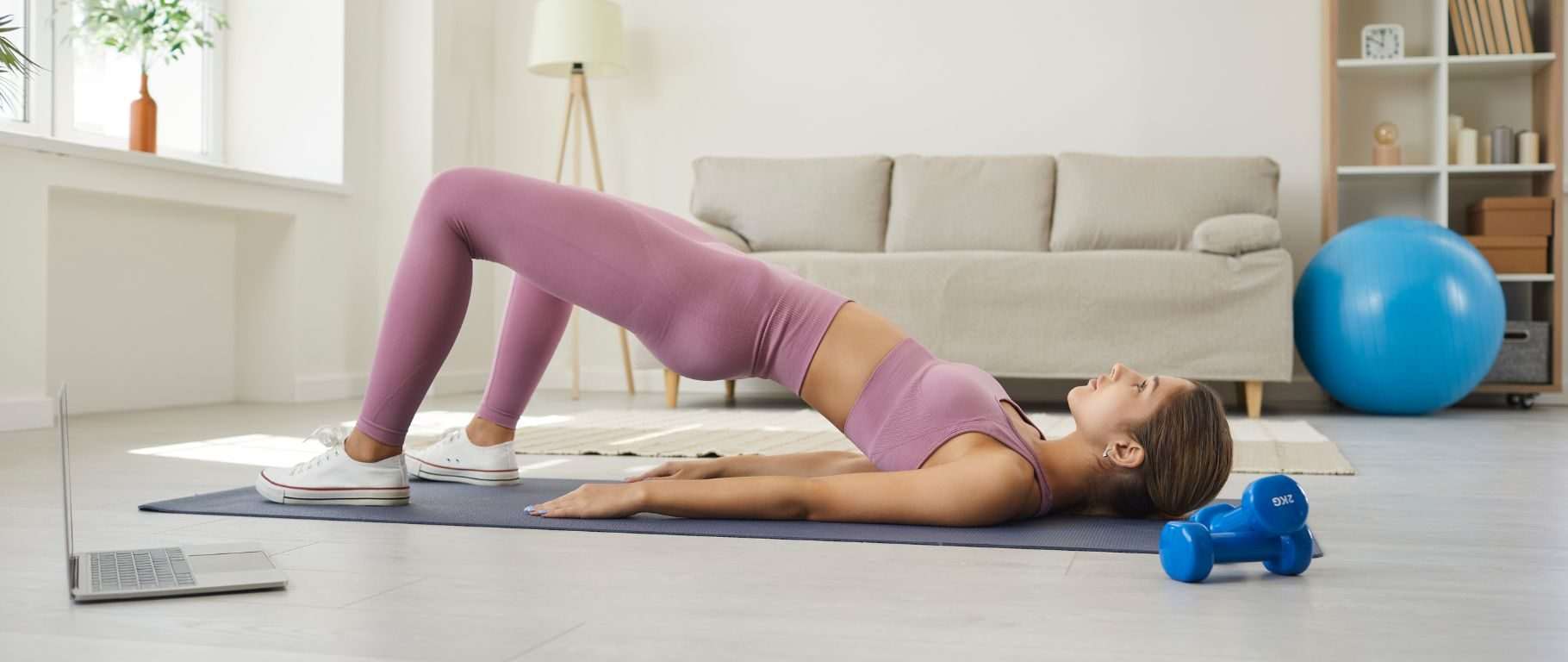
A strong pelvic floor is essential for maintaining bladder and bowel control, supporting pelvic organs, and contributing to overall core stability. For many women, pelvic floor strength is not just a matter of fitnessits a critical factor in quality of life. Physiotherapy offers effective, evidence-based solutions to build, rehabilitate, and maintain pelvic floor strength at any stage of life.
Understanding the Pelvic Floor and Why Strength Matters
The pelvic floor is a group of muscles that span the bottom of the pelvis, forming a hammock-like support system for the uterus, bladder, and rectum. These muscles work in coordination with the diaphragm, abdominals, and back muscles to manage intra-abdominal pressure and ensure core stability.
When these muscles weaken or become dysfunctional, women may experience symptoms such as urinary leakage, pelvic heaviness, lower back pain, or sexual discomfort. Physiotherapy for pelvic floor strengthening addresses these concerns through targeted, individualized programs.
Signs You May Need Pelvic Floor Physiotherapy
Many women are unaware that their pelvic floor needs attention until symptoms become disruptive. Common indicators include:
Leaking urine while sneezing, coughing, or exercising
A feeling of pressure or bulging in the vaginal area
Difficulty fully emptying the bladder or bowels
Pain during intercourse
Frequent urge to urinate
Even if youre not experiencing symptoms, pelvic floor physiotherapy can be preventative, especially during key life stages such as pregnancy, postpartum, menopause, or after surgery.
How Physiotherapy Strengthens the Pelvic Floor
Physiotherapists who specialize in pelvic health use a combination of internal and external assessments to evaluate muscle tone, coordination, and endurance. A personalized exercise plan is then developed to target your specific needs. Techniques include:
Pelvic floor exercises (Kegels): These are not one-size-fits-all. Physiotherapists ensure correct technique, as overdoing Kegels or performing them incorrectly can worsen symptoms.
Biofeedback training: Using sensors, this method helps patients visualize their muscle engagement and track improvement.
Manual therapy: Hands-on techniques to release tension or activate underused pelvic muscles.
Core and postural training: Building a stable foundation helps the pelvic floor function more efficiently.
The Importance of Consistency and Guidance
Building a strong pelvic floor takes time and consistency. Self-guided exercises found online may not address your specific issue or anatomy. Physiotherapists ensure that your progress is tracked, the exercises are performed correctly, and your plan evolves as your strength improves.
Long-Term Benefits of a Strong Pelvic Floor
A well-functioning pelvic floor can improve daily comfort, physical confidence, and sexual well-being. For women involved in sports, it supports high-impact movement. For postpartum mothers or those in menopause, it can help avoid prolapse and manage urinary incontinence. It also plays a key role in spinal alignment and core integration.
Making Pelvic Health a Priority
Pelvic floor strength should be a foundational part of womens health, not a reactive step once problems arise. Physiotherapy empowers women to understand, control, and strengthen this vital muscle group, preventing dysfunction before it begins. If youre unsure whether you need pelvic floor therapy, a simple assessment with a qualified physiotherapist can offer clarity and set you on the path toward pelvic resilience.