Pelvic floor dysfunction can significantly affect a womans daily life, impacting everything from bladder control to sexual well-being and emotional confidence. The good news is that this condition is treatableand in many cases, fully manageablethrough physiotherapy.

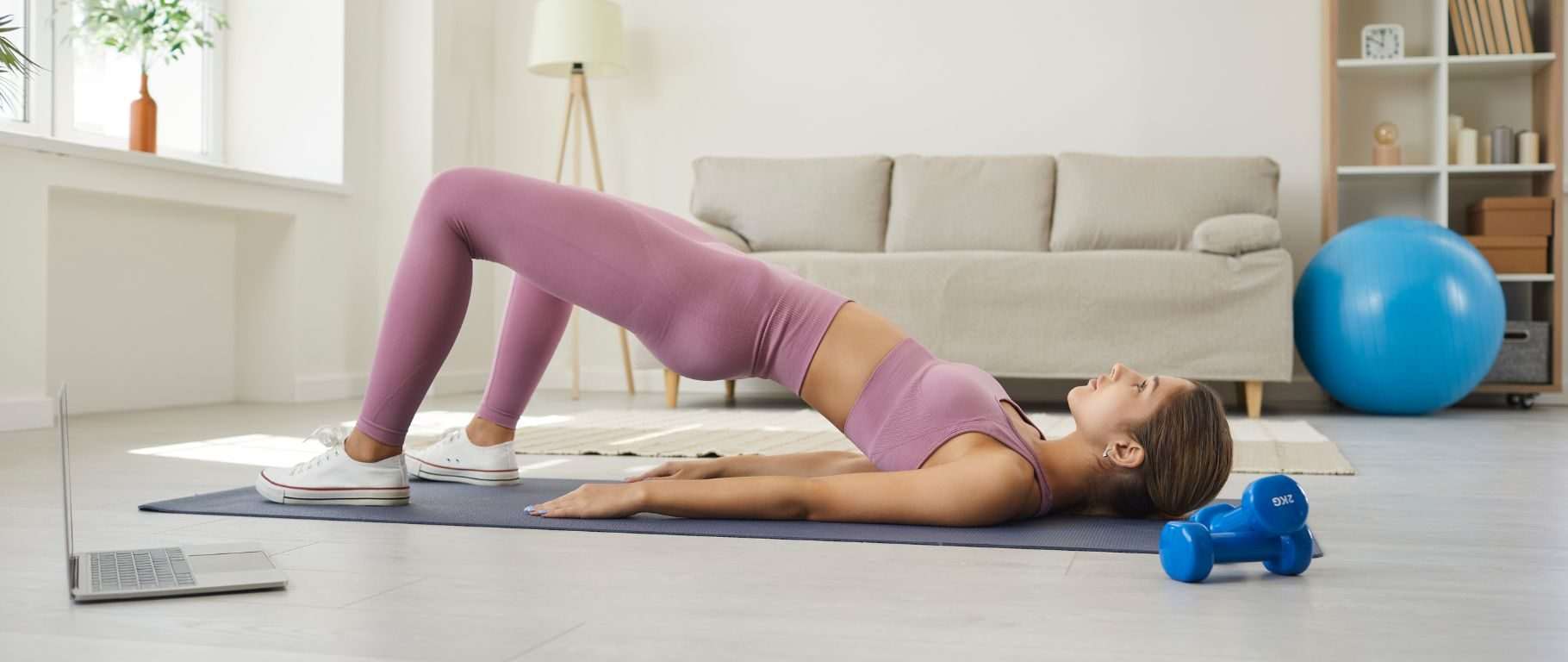
Pelvic floor dysfunction can significantly affect a womans daily life, impacting everything from bladder control to sexual well-being and emotional confidence. The good news is that this condition is treatableand in many cases, fully manageablethrough physiotherapy. With professional support and personalized care, women can restore pelvic function, reduce pain, and regain their sense of wellness. This blog explores how physiotherapy helps overcome pelvic floor dysfunction and rebuilds physical and emotional health.
What Is Pelvic Floor Dysfunction?
Pelvic floor dysfunction refers to the inability to correctly relax and coordinate the pelvic floor muscles. These muscles support the bladder, uterus, and rectum, and when they weaken, become too tight, or stop functioning in sync, problems arise. Common symptoms include:
Urinary leakage or incontinence
Pain during intercourse
Frequent or urgent need to urinate
Constipation or straining during bowel movements
Pelvic pressure or organ prolapse
Chronic lower abdominal or pelvic pain
This condition can result from childbirth, surgery, menopause, chronic straining, or even postural issues. Regardless of the cause, physiotherapy plays a central role in recovery.
How Physiotherapy Treats Pelvic Floor Dysfunction
Physiotherapists specializing in pelvic health assess the strength, coordination, and tone of the pelvic muscles, tailoring treatment plans based on individual needs. Recovery is gradual and multifaceted, combining exercises, education, and manual techniques to improve muscle control and alleviate symptoms.
Pelvic Floor Muscle Rehabilitation
The foundation of recovery begins with retraining the pelvic floor muscles. Women are guided through exercises that focus on strengthening weak muscles or relaxing overly tight muscles, depending on the nature of the dysfunction. These exercises, often referred to as pelvic floor muscle training (PFMT), are prescribed with specific repetitions and intensity levels to ensure safe and effective progress.
Biofeedback for Real-Time Muscle Awareness
Biofeedback is a powerful tool in pelvic physiotherapy. By using sensors and visual cues, it provides real-time information about how the pelvic muscles are functioning. This feedback allows women to learn proper muscle engagement and relaxation techniques, building confidence and accelerating recovery.
Manual Therapy for Muscle Release
In cases of tight or overactive pelvic muscles, manual therapy can provide significant relief. Physiotherapists use techniques like myofascial release, trigger point therapy, and internal manual therapy to release tension, improve blood flow, and reduce pain. These hands-on methods restore natural muscle function and ease discomfort.
Bladder and Bowel Retraining
Pelvic floor dysfunction often involves bladder or bowel symptoms. Physiotherapists work on developing healthy voiding habits, breaking the cycle of urgency, and teaching strategies for better bowel movement coordination. This training improves both physical function and emotional well-being.
Restoring Mobility and Core Stability
Pelvic floor issues often impact or are worsened by poor posture, core weakness, or spinal alignment problems. Physiotherapy includes exercises to strengthen the core musclesespecially the transversus abdominis and diaphragmand improve body mechanics. This approach supports the pelvic floor and reduces pressure that could worsen dysfunction.
Education and Lifestyle Adjustments
Empowering women through education is a cornerstone of physiotherapy. Understanding how habits like poor posture, straining, or inadequate hydration affect the pelvic floor is critical to lasting recovery. Physiotherapists provide guidance on:
How to lift objects safely
Proper toileting positions
Breathwork and diaphragmatic breathing
Avoiding high-impact activities during recovery
Diet changes to prevent constipation
These small but impactful changes create a supportive environment for healing.
Emotional Impact and the Role of Support
Pelvic floor dysfunction can affect more than just the bodyit can create feelings of embarrassment, anxiety, or frustration. Physiotherapy offers a supportive, non-judgmental space where women can talk openly about their symptoms and progress. This compassionate approach helps reduce the emotional weight of the condition and fosters trust in the recovery process.
Expected Timeline for Recovery
Each persons journey is different, but many women see improvements within 612 weeks of consistent physiotherapy. For more complex cases, longer-term treatment may be needed. The key is adherence, regular reassessment, and a willingness to engage in both physical and behavioral changes.
When to Seek Help
If youre experiencing persistent pelvic pain, incontinence, a feeling of heaviness in the pelvic region, or difficulty controlling urination or bowel movements, dont wait. Early intervention leads to faster recovery and prevents symptoms from worsening. A pelvic health physiotherapist can guide you through diagnosis and treatment with personalized care.
Conclusion: Regaining Control Through Physiotherapy
Overcoming pelvic floor dysfunction is entirely possible with the right tools, support, and professional guidance. Physiotherapy empowers women to regain control over their pelvic health, eliminate symptoms, and restore confidence in their bodies. Through structured exercises, muscle retraining, manual therapy, and lifestyle education, recovery becomes a reality.
Taking action today can lead to lasting wellness tomorrow. With physiotherapy, pelvic floor dysfunction doesnt have to control your lifeit can be effectively managed and even resolved.