Strengthening the pelvic floor is a foundational step toward preventing many womens health issues, from urinary incontinence to pelvic organ prolapse. The pelvic floor is a group of muscles that act like a supportive hammock for the bladder, uterus, and bowel.

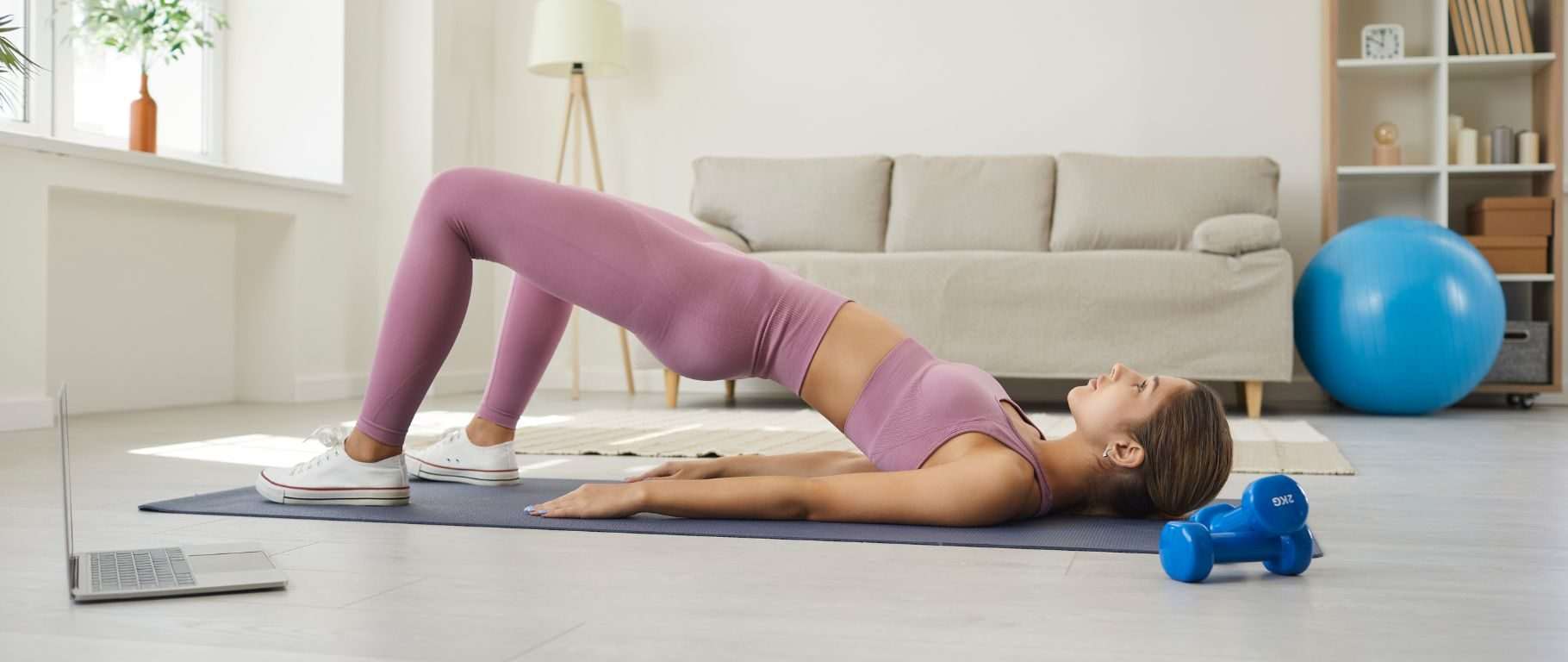
Strengthening the pelvic floor is a foundational step toward preventing many womens health issues, from urinary incontinence to pelvic organ prolapse. The pelvic floor is a group of muscles that act like a supportive hammock for the bladder, uterus, and bowel. Weakness or dysfunction in this area can lead to long-term challenges, but the good news is that pelvic floor strengthening is both effective and accessible through physiotherapy and guided exercise.
Why the Pelvic Floor Matters for Long-Term Health
Your pelvic floor works in coordination with your deep abdominal and back muscles, making it essential for core stability and healthy posture. Over time, age, childbirth, surgery, obesity, and even chronic coughing can weaken these muscles. If not addressed early, these issues can result in future complications such as urinary urgency, fecal leakage, lower back pain, and sexual dysfunction.
Early strengthening of the pelvic floor not only helps you manage current symptoms but also creates resilience against future issues. Many women are unaware of these muscles until problems arise, making education and proactive physiotherapy key.
Signs You May Have a Weak Pelvic Floor
Pelvic floor dysfunction isnt always immediately obvious. Some signs to look out for include:
Frequent urination or inability to hold urine during activities
A heavy or dragging feeling in the pelvis
Difficulty controlling gas or bowel movements
Painful intercourse
Lower back pain with no clear origin
If you notice any of these symptoms, you may benefit from a pelvic floor assessment conducted by a physiotherapist trained in womens health.
Pelvic Floor Physiotherapy: A Personalized Approach
At YourFormSux, pelvic floor physiotherapy begins with a thorough evaluation of your muscle tone, posture, alignment, and breathing patterns. Based on your condition, a licensed physiotherapist will create a tailored plan that may include:
Guided Kegel exercises (done correctly and with supervision)
Core stability routines
Biofeedback for muscle awareness
Manual therapy to release tight or overactive pelvic muscles
Breathwork to support relaxation and pelvic mobility
By correcting your muscle activation patterns and building strength gradually, physiotherapy offers a safe and measurable way to improve function.
The Right Way to Perform Kegels
Many women attempt Kegel exercises without professional guidance and often do them incorrectly. Doing too many, too quickly, or with poor form can lead to more harm than good. Pelvic physiotherapists will teach you how to isolate the right muscles without tensing surrounding areas like the glutes or inner thighs.
Youll also learn how to incorporate these exercises into your daily routine, making them sustainable and effective over time. Coordination and timing are just as important as strength, and physiotherapy helps you master both.
Lifestyle Modifications That Support Pelvic Strength
In addition to therapeutic exercise, simple changes in daily habits can protect your pelvic floor. These include:
Avoiding constipation through diet and hydration
Practicing proper lifting techniques
Managing weight to reduce pressure on pelvic organs
Aligning posture during sitting, standing, and walking
Controlling chronic coughing or heavy lifting at work
A physiotherapist can offer ergonomic advice and recommend lifestyle strategies tailored to your physical demands and goals.
When to Begin Pelvic Floor Strengthening
Theres no need to wait for symptoms to begin strengthening your pelvic floor. Women should consider starting pelvic physiotherapy during major life phases that stress the pelvic area, such as:
During or after pregnancy
Post-surgery (such as hysterectomy)
During menopause
Following high-impact sports or fitness training
Early intervention helps prevent the slow progression of dysfunction into chronic problems. The best outcomes often come from catching imbalances before they become symptomatic.
Taking Control of Your Pelvic Health
Pelvic floor health is not just about preventionit’s about empowerment. Strengthening your pelvic muscles gives you greater control over your body and helps you stay active and pain-free. Whether youre recovering from childbirth, preparing for menopause, or managing daily stress, pelvic physiotherapy provides a solid foundation for overall well-being.
At YourFormSux in Canada, our experienced physiotherapists specialize in pelvic floor rehabilitation for women at all stages of life. By focusing on function, education, and gentle progression, we help you build the strength you need to prevent issues before they start.