Choose the Right Chair Your chair should support natural spinal alignment and encourage active sitting.

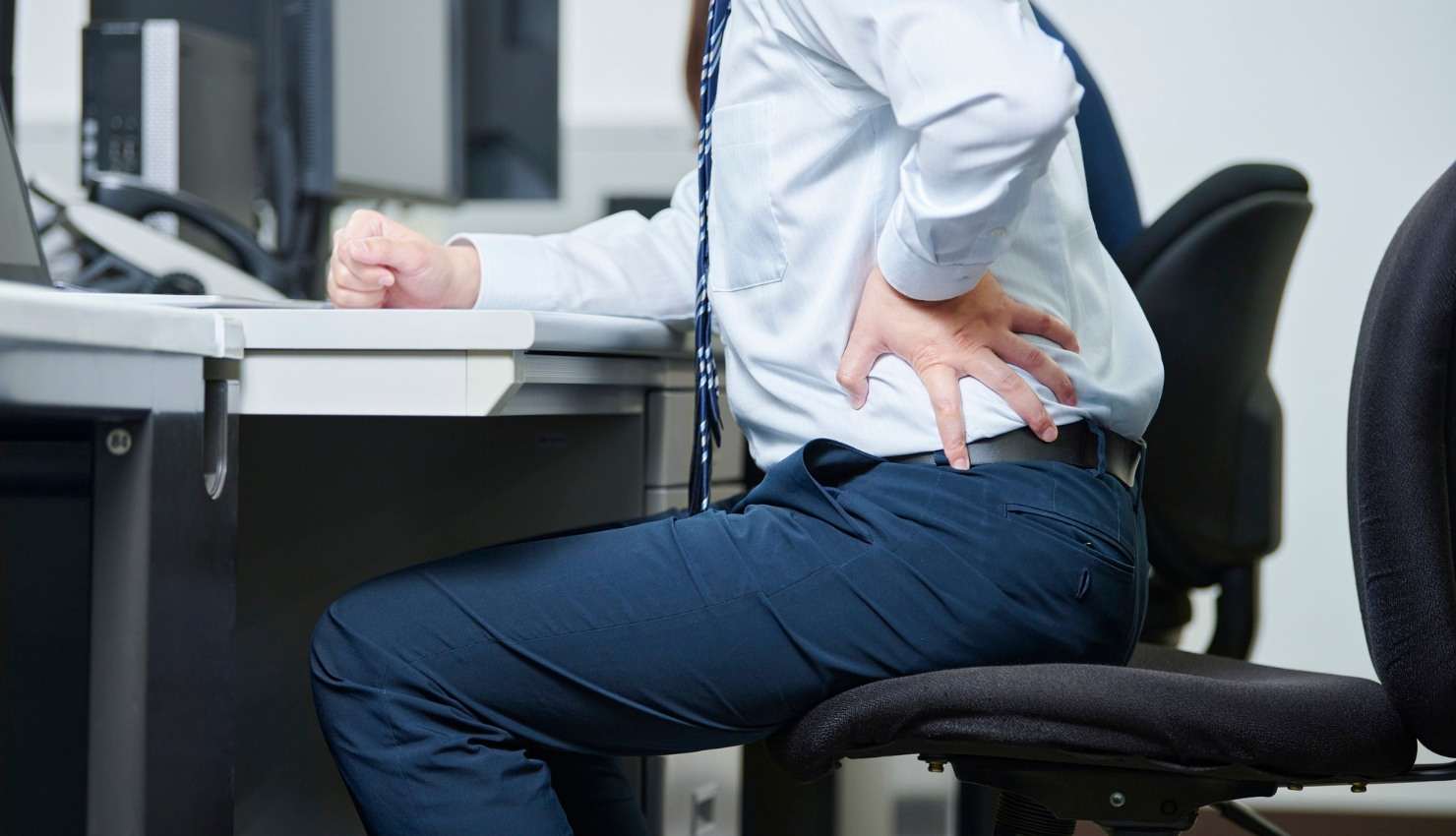
Choose the Right Chair
Your chair should support natural spinal alignment and encourage active sitting.
? What to look for:
Adjustable seat height (knees at or slightly below hips)
Lumbar support to maintain lower back curve
Armrests that keep elbows at 90°
Cushioning that distributes weight evenly
Option to recline slightly for back pressure relief
?? If your chair lacks lumbar support, use a rolled towel or lumbar cushion.
?? 2. Align Your Monitor with Your Eyes
Screen positioning affects your neck, shoulders, and eyes.
Tips:
Top of the screen should be at eye level
Monitor should be about arms length away
Avoid glareposition screen perpendicular to windows
Use a laptop stand or external monitor if needed
?? Looking up or down at your screen strains your neck over time.
??? 3. Adjust Your Desk Setup for Arm & Wrist Comfort
Proper desk height prevents strain in your shoulders, wrists, and elbows.
Component Optimal Position
Elbows At 90°, close to your sides
Wrists Straight and level with or below elbows
Keyboard Flat or slightly tilted away from you
Mouse Close to keyboard, same level
? Consider a wrist rest or split keyboard for added comfort.
?? 4. Mind Your Feet and Legs
Your lower body plays a key role in total posture.
Keep feet flat on the floor or on a footrest
Knees at 90100° angle
Avoid crossing legs or sitting on one foot
Stand up every 3060 minutes to move around
?? Good leg positioning keeps hips and spine aligned.
?? 5. Light It Right
Proper lighting reduces eye strain and mental fatigue.
Use natural light whenever possible
Supplement with adjustable task lighting
Avoid having bright light behind or directly in front of your screen
Use blue light filters in the evening to ease eye fatigue
??? A well-lit workspace boosts alertness and protects vision.
?? 6. Create a Movement-Friendly Environment
Ergonomics isnt just about sittingmovement is key.
Use a sit-stand desk or alternate between standing and sitting
Keep a foam roller, yoga mat, or resistance band nearby
Take micro-breaks every 3060 minutes
Try desk stretches or quick walks throughout the day
?? Motion is lotionfor your joints, muscles, and mind.
?? 7. Daily Ergonomic Checklist (Physio-Approved)
? Checkpoint Why It Matters
Chair supports lumbar curve Maintains healthy spine alignment
Feet flat on the floor Reduces hip and lower back strain
Screen at eye level Prevents neck and shoulder tension
Wrists neutral and supported Minimizes risk of carpal tunnel
Move every 3060 minutes Boosts circulation and mental clarity
Proper lighting and posture Reduces fatigue and headaches
?? Bonus: Tips for Staying Ergonomic All Day
Use reminders or apps (like Stretchly or PostureMinder)
Stack books or boxes under monitors if needed
Keep water and healthy snacks nearby to avoid fatigue
Keep clutter minimal to encourage better posture and focus