Create a Dedicated Work Zone Set boundaries between work and relaxation:

Create a Dedicated Work Zone
Set boundaries between work and relaxation:
Choose a specific area for work (not your bed or couch)
Organize your desk to reduce visual clutter
Set clear work hours to avoid overworking
?? A defined workspace reduces cognitive load and helps your brain separate “work mode” from “rest mode.”
2. Practice Proper Ergonomics
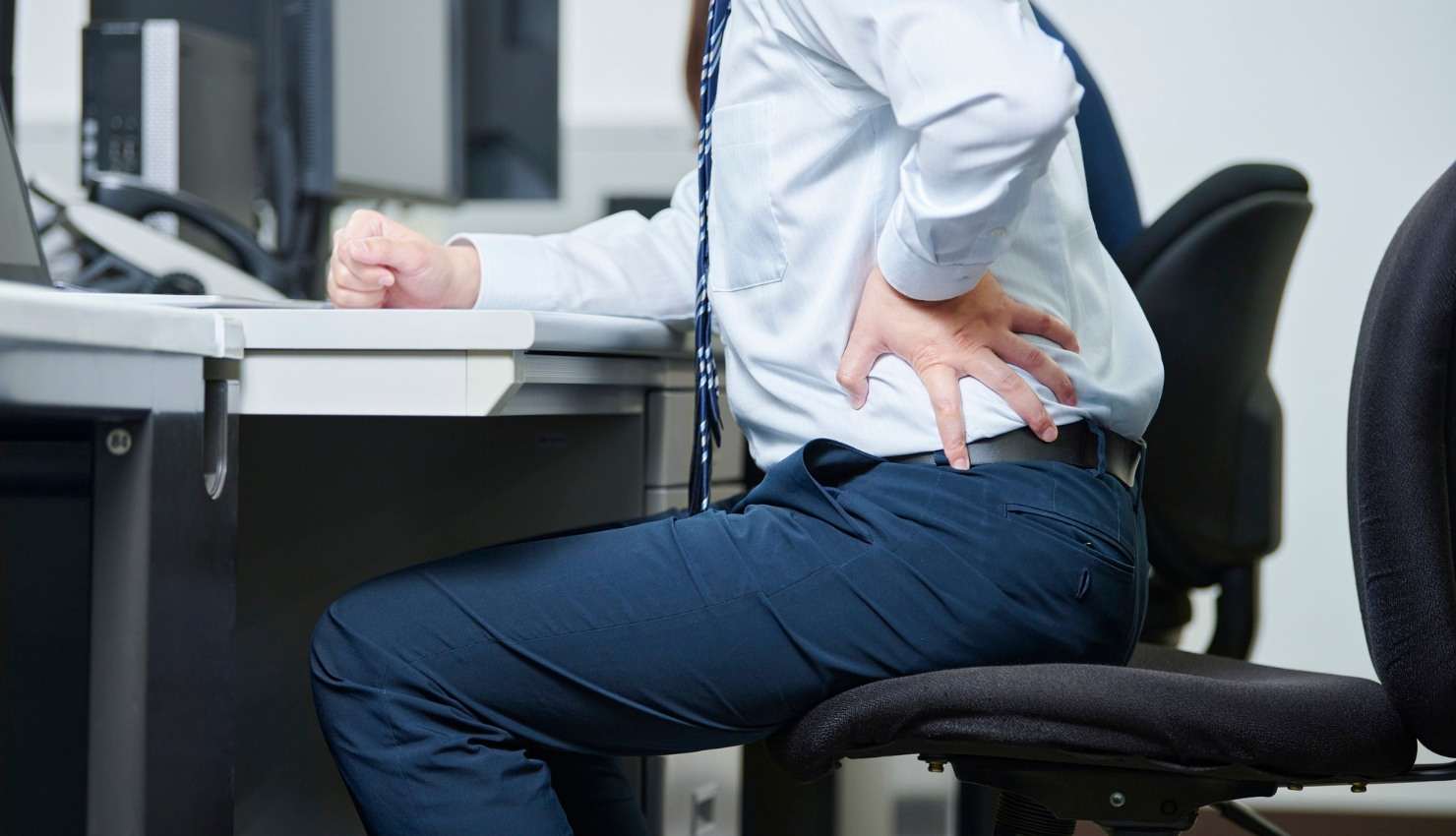
Poor posture leads to muscle strain, which can amplify stress. Use these tips:
Keep your screen at eye level
Support your lower back with a cushion
Keep your feet flat and your elbows at 90 degrees
Physiotherapists often help workers adjust their setup to minimize physical tensionespecially in the neck, shoulders, and back.
3. Schedule Movement Breaks
Physical activity boosts endorphins and relieves tension built up from prolonged sitting. Try:
Standing or stretching every 3060 minutes
Short walks, stair climbing, or light stretching
Desk exercises like neck rolls, shoulder shrugs, and spinal twists
?? Even two minutes of movement can reset your nervous system and relieve tension.
4. Breathe with Intention
Breathing deeply activates the parasympathetic nervous system, reducing anxiety and muscle tightness.
Try box breathing: Inhale 4 seconds ? hold 4 ? exhale 4 ? hold 4
Practice this between meetings or during breaks
5. Use Physiotherapy Tools for Relief
If stress causes physical discomfort, try:
Foam rollers or massage balls for tight muscles
Heat packs for relaxation
Cold packs for reducing inflammation
Virtual consultations with a physiotherapist for personalized advice
6. Support Your Mental Wellbeing
Stress isnt just physical. Try:
Setting realistic goals each day
Journaling to process thoughts
Listening to calming music or ambient noise
Staying socially connected through short calls or virtual breaks
7. Wind Down After Work
Unplug and let your body recover from the day:
Do a gentle mobility routine or yoga session
Step outside for fresh air and sunlight
Avoid checking emails after hours to protect mental space
Final Thought
Stress and tension can sneak into your work-from-home routinebut with small, intentional actions, you can stay physically comfortable and mentally grounded. Use these physiotherapy-informed strategies to create a workspace and daily rhythm that support both your body and your wellbeing.