Alternate Between Sitting and Standing Standing all day isnt the answermovement is. Standing for too long can fatigue the lower back, legs, and feet.

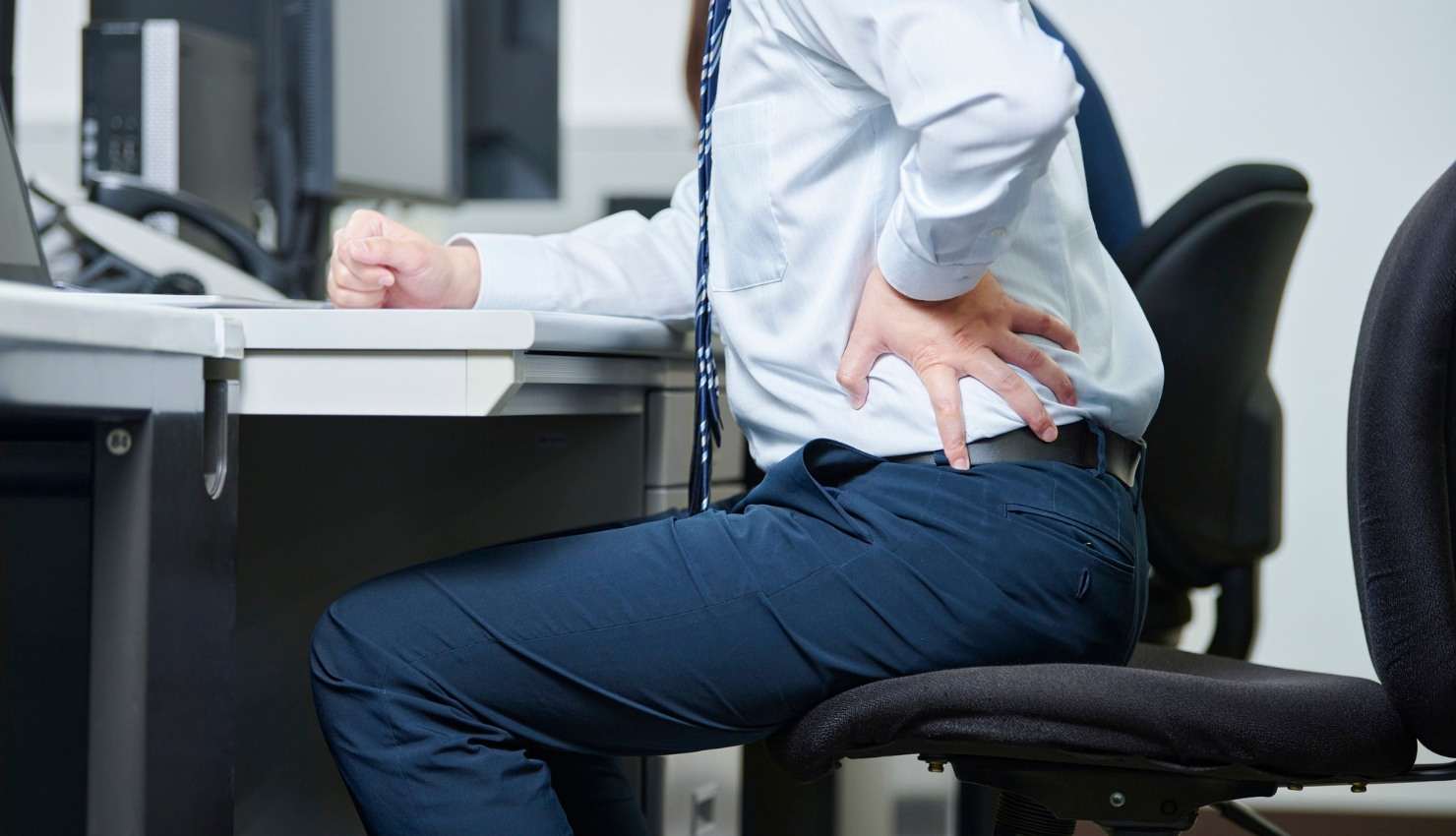
Alternate Between Sitting and Standing
Standing all day isnt the answermovement is. Standing for too long can fatigue the lower back, legs, and feet.
Tip:
Begin with 1530 minutes of standing, then gradually increase
Switch between sitting and standing every 3060 minutes
Use a height-adjustable desk or standing desk converter
?? Think movement variety instead of always standing.
??? 2. Set Your Screen at the Right Height and Distance
Your monitor should be:
At eye level so your head stays neutral
Around 2028 inches (an arms length) from your face
Angled slightly upward (1020°) to reduce neck strain
Laptop user? Use a stand to raise the screen and an external keyboard and mouse to avoid hunching.
?? 3. Position Your Keyboard and Mouse Ergonomically
Poor wrist and shoulder alignment can cause tension and back strain.
? Make sure:
Your elbows stay close to your body, bent at ~90°
Wrists remain straight, not flexed or bent
Keyboard and mouse are on the same level and close together
?? Use a wrist rest or soft pad if needed for support.
?? 4. Stand With Good Posture
Bad standing posture often leads to back pain. Watch out for:
Leaning on one leg
Slouching or leaning forward
Locking your knees
? Correct posture includes:
Feet hip-width apart, knees slightly bent
Weight evenly distributed on both feet
Head stacked over shoulders, shoulders relaxed
Engage your core slightly to support the spine
?? 5. Use Supportive Footwear and Flooring
Standing barefoot on hard floors can aggravate your back and feet.
What helps:
Supportive shoes with cushioning and arch support
An anti-fatigue mat to reduce pressure on joints
A footrest or small box to shift foot positions and reduce lumbar load
?? Switch foot positions every 1015 minutes to prevent fatigue.
?? 6. Move Often and Stretch Throughout the Day
Even if your posture is perfect, being still too long is harmful.
Every 3060 minutes, do:
Spinal extensions (hands on hips, gently arch back)
Calf raises or ankle rolls
Shoulder rolls and chest openers
Mini walking breaks around your room
?? Set reminders or pair movement with routine tasks (like calls or coffee breaks).
? Quick Standing Desk Setup Checklist
Item Healthy Setup Guideline
Desk height Elbows at 90° when typing
Monitor Eye level, ~2028 away
Keyboard & mouse Same surface, wrists straight
Foot position Hip-width apart, even weight distribution
Posture Neutral spine, shoulders relaxed
Shoes/floor Supportive footwear or anti-fatigue mat
Movement Change positions every 3060 minutes
????? When to See a Physiotherapist
If youre still experiencing back pain despite good setup:
Get a postural assessment
Receive personalized ergonomic advice
Learn core and mobility exercises tailored to your needs