


Create an Ergonomic Workstation Your setup matters more than you think. Poor desk posture leads to chronic tension and fatigue.

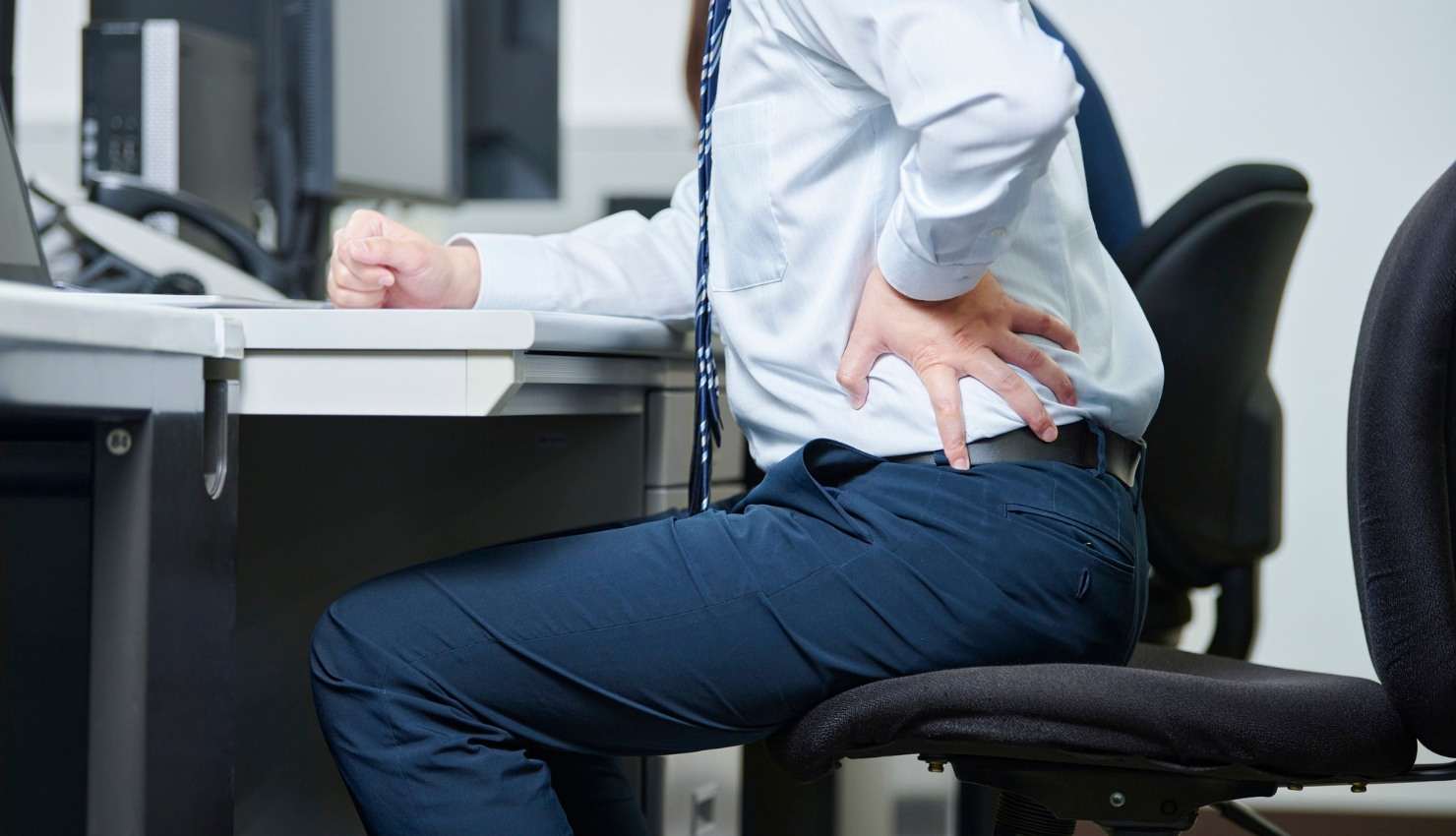
Create an Ergonomic Workstation
Your setup matters more than you think. Poor desk posture leads to chronic tension and fatigue.
Key Tips:
Screen at eye level to avoid neck strain
Elbows at 90° with forearms resting comfortably
Chair supports lower back with feet flat on the ground
Use an external keyboard and mouse if working on a laptop
?? Why it works: Supports natural alignment, reducing pressure on the spine, shoulders, and wrists.
? 2. Follow the 30/30 Rule
Every 30 minutes, move for 30 seconds.
You dont need a gymjust stand, stretch, or walk a few steps.
Ideas:
Shoulder rolls
Neck rotations
Standing glute squeezes
Wrist circles or forearm stretches
?? Small movements prevent stiffness and boost circulation.
?? 3. Structure Your Day with Movement Breaks
Build habits around natural transitions in your workday.
Time Movement Habit
Start of day Mobility warm-up (5 minutes)
Mid-morning Stretch or walk
Lunch 1015 minute activity burst
Afternoon Posture reset
End of day Gentle stretching or walk
? Routines build consistency and resilience.
?? 4. Incorporate Mindful Stretching
Regular flexibility work reduces joint stiffness and stress. Aim for 23 short sessions daily.
Focus Areas:
Neck & Shoulders: Reduce “tech neck” tension
Hips & Hamstrings: Counteract sitting stiffness
Wrists & Forearms: Ease typing and mouse fatigue
????? Mindful stretching enhances both mobility and mental clarity.
?? 5. Stay Hydrated & Take Visual Breaks
Staring at screens and forgetting to hydrate can drain your energy and focus.
Habits to build:
Use the 20-20-20 rule: Every 20 minutes, look at something 20 feet away for 20 seconds
Keep a water bottle at your desk
Add a hydration reminder app or sticky note
?? Hydration fuels concentration. Eye breaks reduce fatigue.
?? 6. Listen to Your Body Signals
Pain, stiffness, or eye strain is your body asking for change.
?? Fix common warning signs:
Neck pain? Raise your screen and check your head position
Wrist pain? Realign your keyboard and stretch
Back pain? Adjust chair support and add standing breaks
?? Physiotherapy starts with awarenesslisten and adapt early.
?? 7. Build Mental & Physical Transitions
One danger of remote work? It never ends. Establish rituals to switch gears.
Examples:
Morning: 5-minute body warm-up
Midday: Step outside or do light yoga
End of day: Gentle mobility or breathing practice
?? Creates closure for your workday and supports recovery.
?? 8. Revisit and Adjust Weekly
Your body and schedule changeso should your habits. Each week, reflect:
Did you move enough?
Were you sore or stiff?
Could you focus well?
How was your energy level?

