


Start with Ergonomic Support Make these posture-friendly adjustments:

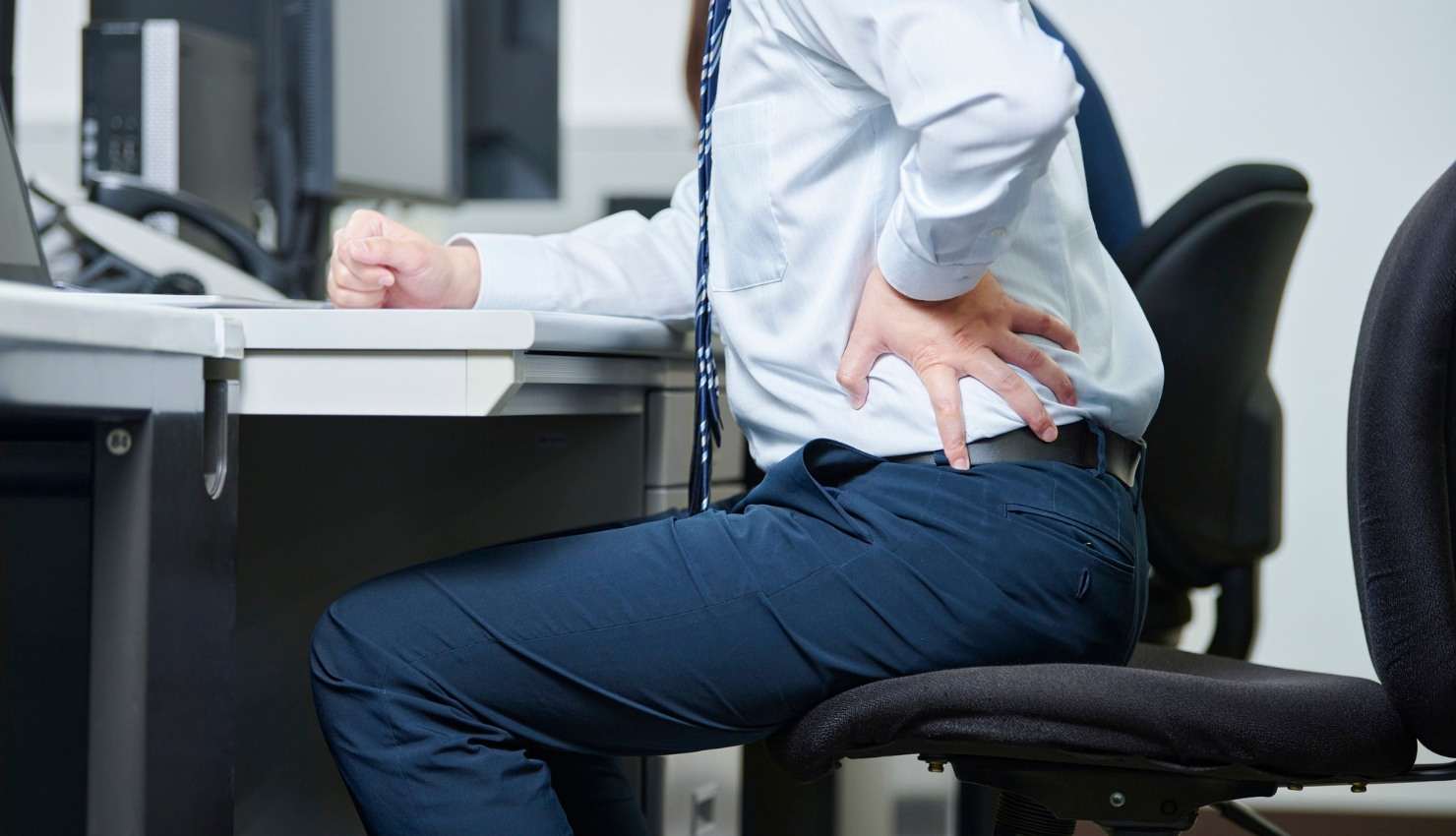
Start with Ergonomic Support
Make these posture-friendly adjustments:
Chair: Should support your lumbar spine (use a cushion if needed)
Desk height: Keep elbows at a 90° angle
Screen position: Top of your monitor should be at or slightly below eye level
Feet: Flat on the floor or on a footrest
?? Why it matters: Neutral alignment reduces joint compression and uneven muscle loading.
?? 2. Alternate Between Sitting and Standing
Being static is the real enemywhether sitting or standing.
Healthy routine:
Sit for 3040 mins ? Stand for 1015 mins ? Walk or stretch briefly
Use a standing desk converter or a high counter if needed
?? Switching positions relieves joint pressure and encourages circulation.
? 3. Support Wrists and Elbows
Your wrists and elbows take a beating from constant typing or touchpad use.
Protect with:
A detached mouse and keyboard
Wrist rests for soft, level support
Keep elbows close to your sides, not flared out
Use light touch when typingdont bang keys
?? Less tension = less friction in small joints = less pain over time.
?? 4. Take Active Movement Breaks
Sitting too long leads to tight hips, stiff knees, and inflamed joints.
Try this 5-minute joint-friendly break:
Hip openers (seated or standing leg swings)
Ankle pumps and toe raises
Knee extensions while seated
Neck rolls and shoulder blade squeezes
?? Do this every hour for big benefits to joint mobility and fluid movement.
?? 5. Stretch Key Areas Daily
Focus on these high-strain zones:
Neck & upper traps especially with forward head posture
Hip flexors & glutes tight from sitting
Wrists & forearms overused with typing
Calves & hamstrings often shortened in seated positions
?? Even 510 minutes a day keeps joints lubricated and muscles balanced.
?? 6. Strengthen Supporting Muscles
Strong muscles offload pressure from your joints.
Recommended by physiotherapists:
Scapular stabilizers (e.g., rows or shoulder squeezes)
Core & glutes (e.g., bridges, clamshells)
Postural muscles (e.g., bird dogs, planks)
?? Stability = joint protection, especially in the back, hips, and knees.
?? 7. Stay Hydrated for Joint Lubrication
Water is key to keeping your joints cushioned and cartilage healthy.
Tip:
Keep a full bottle at your desk
Sip regularlydon’t wait until you’re thirsty
Aim for 68 glasses minimum per day
?? Hydration helps prevent stiffness and reduces joint friction.
?? 8. Mind Your Foot Position
Foot posture affects your entire kinetic chainfrom ankles to knees to hips.
Best practices:
Sit with feet flat, not tucked under
Use a footrest if your chair is too high
Avoid sitting cross-legged for long periods
?? Proper grounding reduces strain on knees, hips, and spine.
?? Bonus: Joint-Friendly Work Habit Checklist
Habit Why It Helps
Switch between sitting & standing Reduces load on hips and knees
Use external mouse/keyboard Supports wrist and elbow positioning
Stretch every 12 hours Maintains joint mobility and circulation
Strengthen core and glutes Offloads joints, especially spine
Stay hydrated Keeps joints lubricated and supple

