


Set Up Your Workstation Ergonomically A physiotherapy-friendly workspace supports your spine and reduces muscle strain.

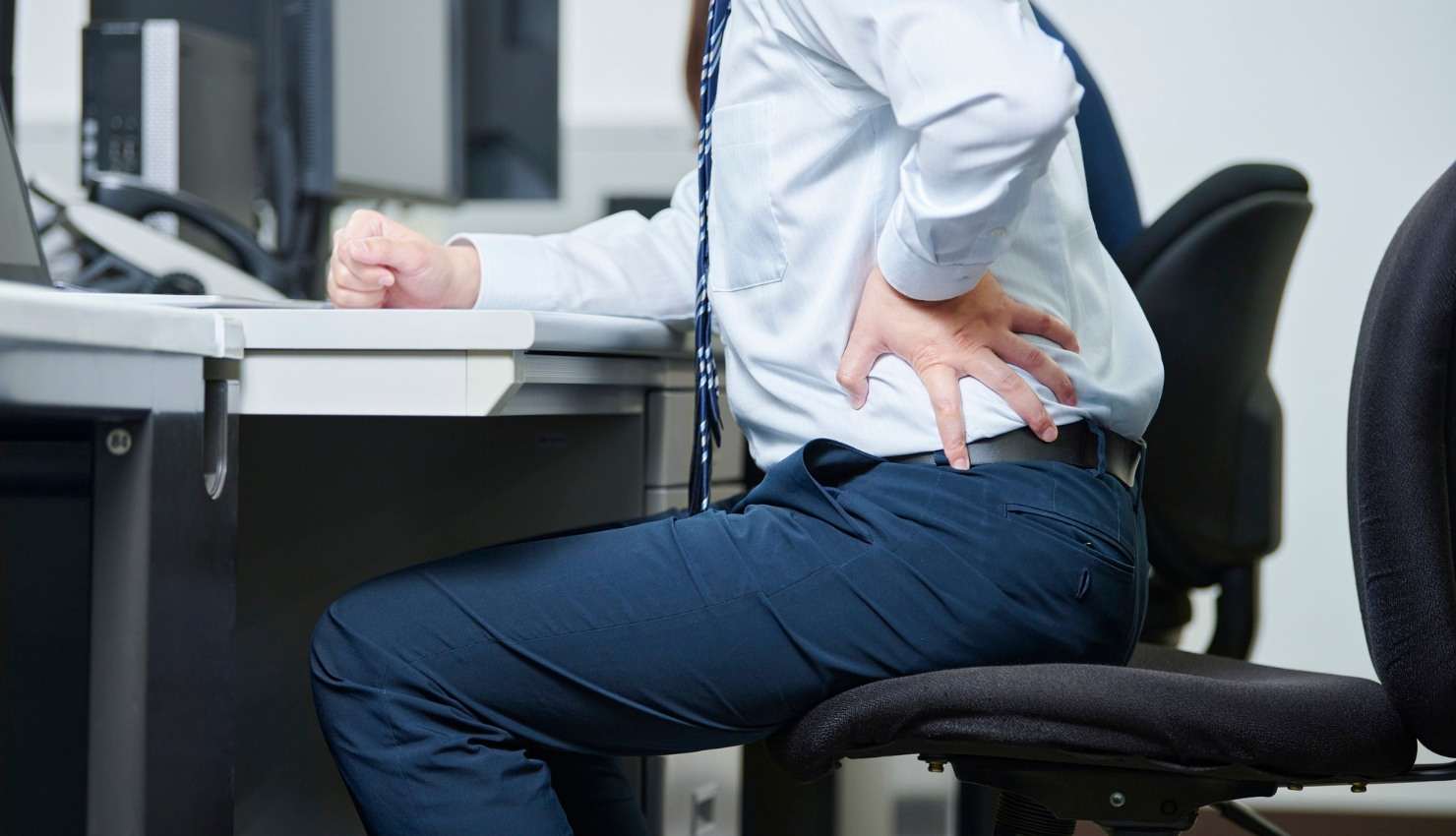
Set Up Your Workstation Ergonomically
A physiotherapy-friendly workspace supports your spine and reduces muscle strain.
? Desk Setup Checklist:
Monitor at eye level avoid looking down
Chair with lumbar support or use a small cushion at the low back
Feet flat on the floor knees and hips at 90° angles
Elbows bent at 90°, close to your sides
Wrists neutral, not bent or overextended
?? Even tiny adjustments (e.g., raising your screen or changing chair height) can make a big difference.
?? 2. Take Micro-Breaks Every 3045 Minutes
Remaining in a static position stresses your muscles and joints.
?? Simple break ideas:
Stand and walk around for 12 minutes
Do neck rolls, shoulder shrugs, or calf raises
Try spinal twists or hip circles while seated
?? Set a timer or use apps like Pomofocus, Stretchly, or Smart Break to remind you.
?? 3. Do These 5 Physiotherapy Exercises Daily
These movements are ideal for counteracting long sitting hours:
? 1. Chin Tucks
How: Gently draw your chin straight back (not down) to align your head with your spine.
Why: Reduces forward head posture and neck tension.
? 2. Seated Spinal Twist
How: Sit upright, rotate your torso gently to each side while keeping your hips stable.
Why: Improves thoracic mobility and reduces back stiffness.
? 3. Hip Flexor Stretch
How: Lunge position, press your hips forward while keeping your spine upright.
Why: Stretches muscles shortened by sitting.
? 4. Glute Bridges
How: Lie on your back with knees bent, lift your hips up while squeezing glutes.
Why: Activates glutes and strengthens the lower back.
? 5. Wall Angels
How: Stand with your back to a wall and arms in a goalpost shape, slowly raise and lower them.
Why: Strengthens postural muscles and relieves upper back tension.
????? 4. Mix Sitting and Standing
Alternate between sitting and standing when possible:
Try a sit-stand desk or elevate your laptop on boxes/books
Stand during phone calls or online meetings
Shift your weight and move while standing to avoid fatigue
?? Its about changing positions often, not standing all day.
?? 5. Practice Good PostureBut Keep It Dynamic
Theres no one perfect posturebut staying in one position for too long is what causes harm.
? Physiotherapist Tips for Dynamic Posture:
Sit tall with shoulders relaxed and spine neutral
Avoid slumping or leaning to one side
Change positions oftenthe best posture is your next posture
Occasionally lean back to decompress the spine
?? 6. Stay Hydrated & Move Between Tasks
Drink water regularly it encourages you to get up to refill or use the restroom
Walk for 510 minutes during lunch
Use household items (stairs, walls, counters) for quick mobility drills
?? Daily activity doesnt have to be a workoutjust consistent movement.
?? Final Takeaways
? Long sitting isnt harmful if interrupted frequently with movement
? A supportive desk setup and proper posture go a long way
? Daily stretching and strengthening exercises prevent chronic issues
? Dynamic movement keeps circulation and energy levels up
? Physiotherapy isnt just for injuryits preventive care

