


Choose the Right Chair (or Fix the One You Have) Look for:

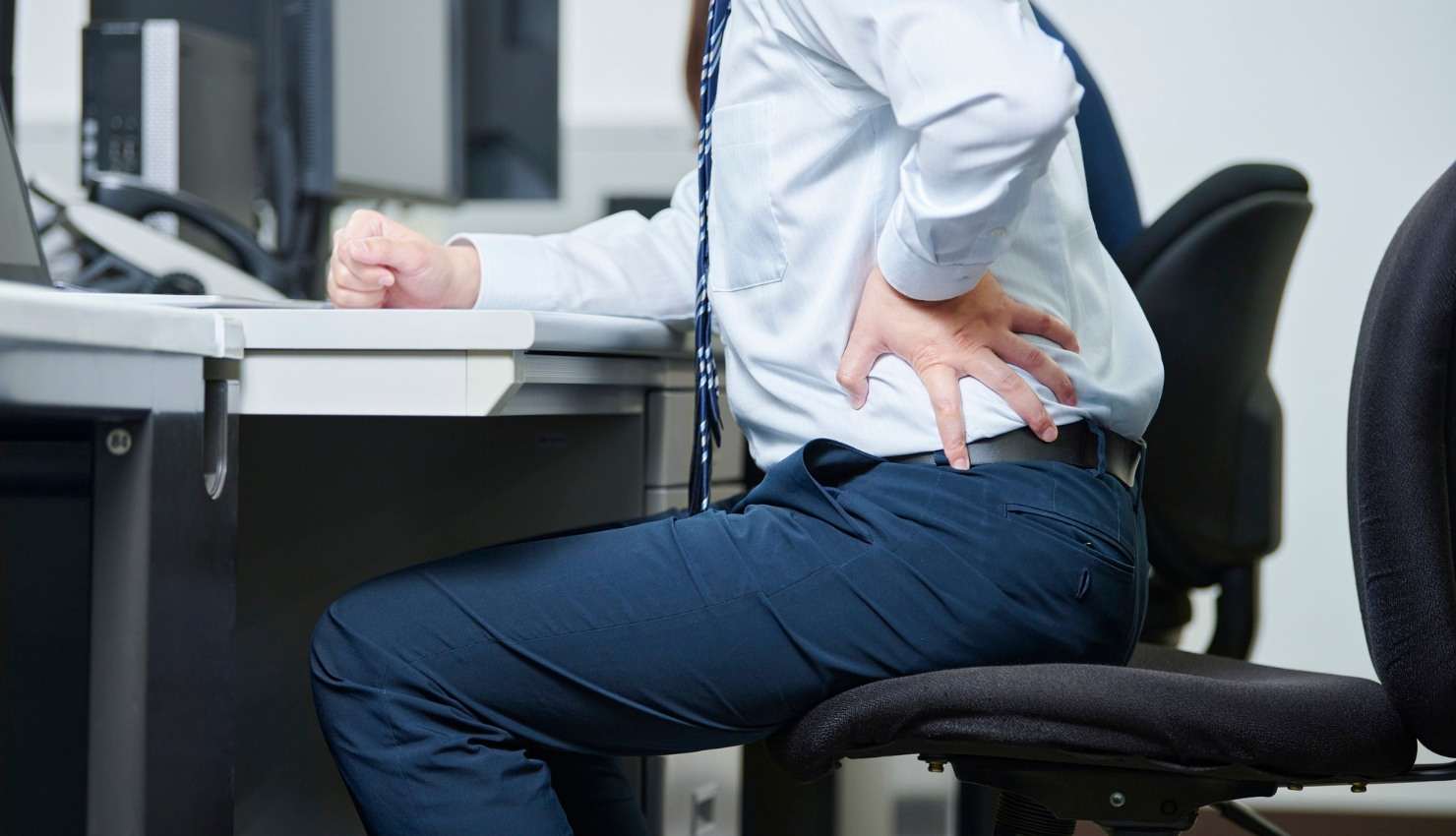
Choose the Right Chair (or Fix the One You Have)
Look for:
Adjustable height thighs parallel to the ground
Lumbar support either built-in or a rolled towel or cushion at your low back
Firm seat base too-soft cushions encourage slouching
Armrests to reduce shoulder strain (elbows at ~90°)
?? Tip: If your chair isnt adjustable, use pillows, folded towels, or a seat cushion to create better alignment.
??? 2. Set Up Your Monitor for Neutral Spine Posture
The top of your screen should be at or slightly below eye level
Place monitor 2030 inches away (about an arms length)
Avoid looking down at a laptop use a laptop stand or stack books to raise it
(Use a separate keyboard/mouse if needed)
?? Looking downward for hours rounds the spine and strains your lower back.
????? 3. Practice Dynamic Sitting Change Positions Often
Even the best posture is harmful if held too long.
Every 3045 minutes:
Stand up and walk for 12 minutes
Stretch your hip flexors or back
Do seated spinal twists, pelvic tilts, or glute squeezes
?? Use a timer or posture reminder app to stay consistent.
?? 4. Use a Footrest or Support for Grounded Feet
Dangling or unsupported feet cause your pelvis to tilt, straining the low back.
Feet should be flat on the ground (or a footrest/box)
Knees should be level with or slightly lower than hips
?? This helps your spine maintain its natural S-curve.
?? 5. Strengthen Core and Glute Muscles
A strong core provides natural support to the lower back.
Try simple daily movements:
Glute bridges
Bird dogs
Seated pelvic tilts
Wall sits
?? These help stabilize your spine and counteract weakness from sitting too long.
?? 6. Ergonomic Desk Essentials
These small upgrades go a long way:
Keyboard and mouse at elbow height, close to the body
Sit-stand desk or adjustable risers to vary positions
Anti-fatigue mat if standing
Document holder to reduce neck strain if referencing papers
?? 7. Hydrate and Move Throughout the Day
Dehydrated discs and stiff joints contribute to back pain.
Drink water regularly
Stretch your spine throughout the day (try side bends, back extensions, spinal rolls)
Avoid sitting for more than 60 minutes at a time
?? Quick Checklist: Spine-Friendly Workstation
? Feet flat on the ground or on a footrest
? Knees and hips at ~90°
? Lumbar support in place
? Monitor at eye level
? Keyboard/mouse close and at elbow height
? Move/stretch every 3045 mins
? Do core/glute exercises daily

