Improper hand positioning can:

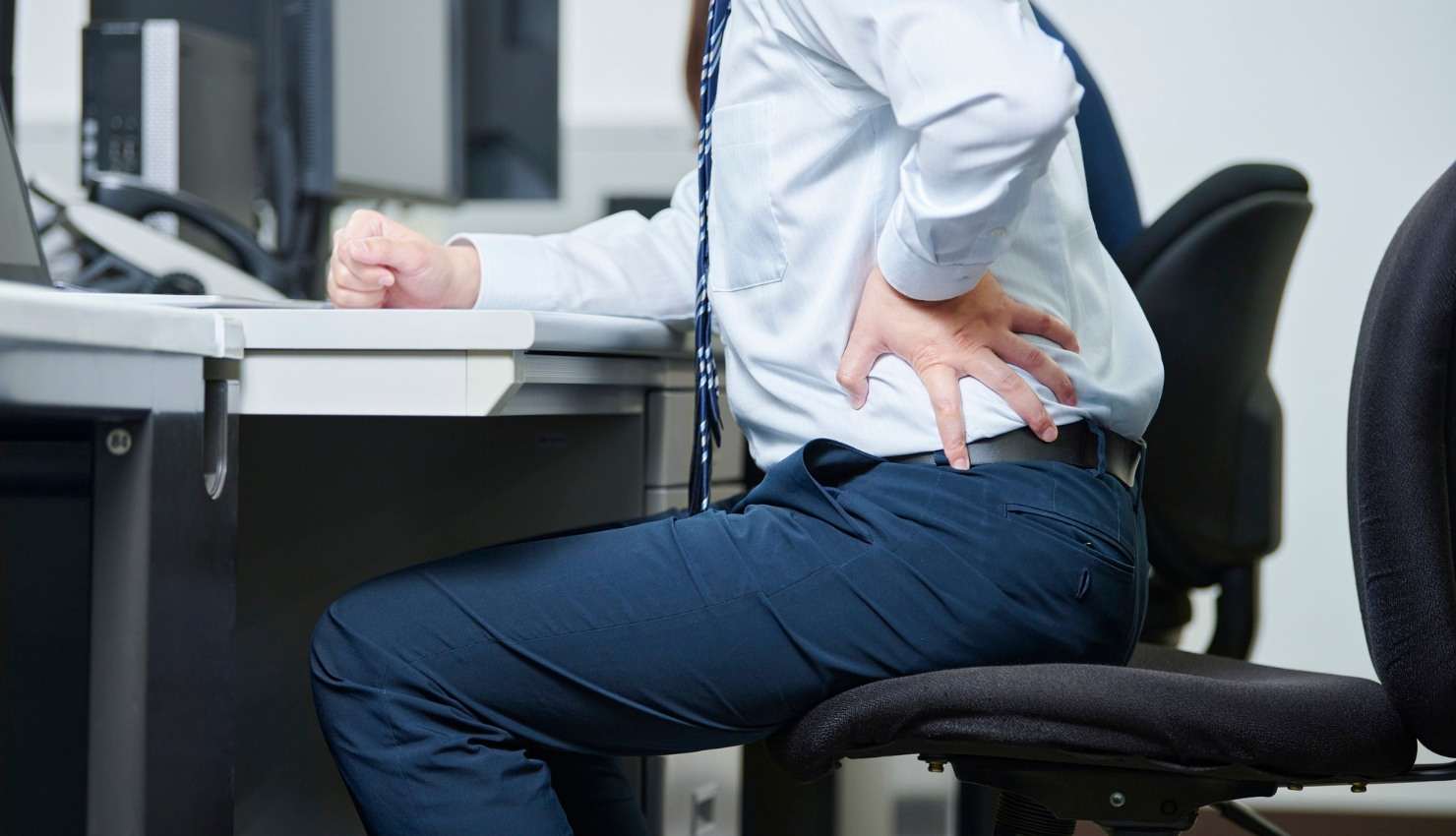
Improper hand positioning can:
Compress nerves in your wrists
Overwork shoulder and neck muscles
Lead to repetitive strain injuries (RSIs)
A correct setup supports neutral alignment, minimizes muscle fatigue, and encourages better posture.
? Keyboard Ergonomics: How to Position It Right
?? 1. Keep It at Elbow Height
Your elbows should be bent at 90° with forearms parallel to the floor
Keyboard should be flat or slightly tilted down and away to avoid wrist extension
?? Use a keyboard tray or adjust chair/desk height if needed
?? 2. Position It Close to You
Keep the keyboard directly in front of you
No reaching! Your upper arms should hang naturally by your sides
?? Reaching forward = shoulder and neck tension
?? 3. Use a Split or Ergonomic Keyboard (Optional)
These allow more natural wrist angles (less ulnar deviation)
Great for users with chronic wrist or shoulder issues
?? Consider models with tenting (angled middle) and negative tilt options
?? 4. Flat or Slightly Negative Tilt is Best
A slight downward angle (front edge of keyboard higher than the back) keeps wrists in a neutral position
Avoid built-in feet that raise the back of the keyboard
??? This reduces wrist extension, a major contributor to carpal tunnel syndrome
??? Mouse Ergonomics: Small Changes, Big Difference
?? 1. Keep It Close and Aligned
Your mouse should be at the same height and close to the keyboard
Avoid reaching or twisting your arm outward
?? Try placing it on a mouse platform beside your keyboard
?? 2. Use the Right Grip
Avoid gripping too tightly
Use a light, relaxed grip and move from the shoulder, not just the wrist
?? A mouse thats too small or flat can cause strainchoose one that fits your hand size
?? 3. Consider an Ergonomic Mouse
Options include:
Vertical mouse: Reduces wrist rotation
Trackball: Minimizes movement
Pen-style mouse: Mimics holding a pen, great for some types of work
?? Ideal for users with RSI or chronic hand/wrist pain
?? 4. Use a Wrist Rest (With Caution)
Can help reduce strain when resting, but dont use it while typing or mousing
Forearms should hover lightly while working
?? Rest the base of your palms, not your wrists
????? Physiotherapy Pro Tips
Stretch your wrists and hands every 6090 minutes
Do nerve glides or wrist circles during microbreaks
Strengthen your forearm and shoulder stabilizers to prevent overuse
?? Example: wrist flexor stretches, finger extensions, shoulder blade squeezes
?? Ergonomic Setup Checklist
Component Ideal Position
Keyboard Height At elbow level (90° arm bend)
Keyboard Angle Flat or slight negative tilt
Mouse Position Next to keyboard, within easy reach
Wrist Position Neutral (not bent up/down or sideways)
Arm Position Upper arms relaxed, elbows close to sides
Grip Pressure Light and controlled, not tight
?? Final Thoughts
? Prevention is easier than rehabsmall adjustments can spare you pain
? You dont need fancy equipmentpositioning matters more