


Sitting itself isnt inherently harmful. The problem arises from how long and how poorly we sit.

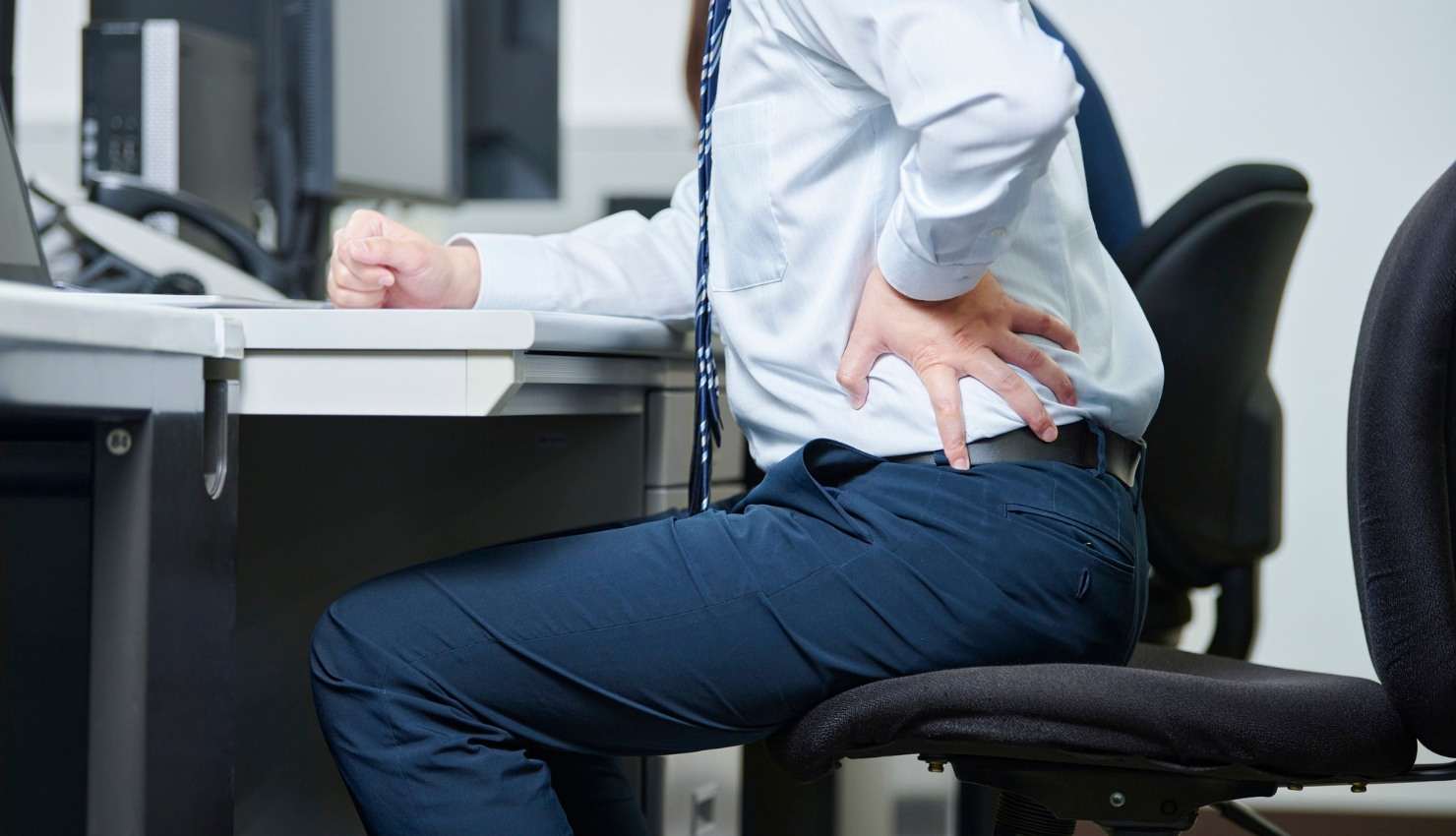
Sitting itself isnt inherently harmful. The problem arises from how long and how poorly we sit.
Key contributors to sitting-related back pain:
Poor posture (slouching, forward head position, rounded shoulders)
Static positions that reduce blood flow and joint lubrication
Core muscle deactivation (sitting weakens your postural support system)
Increased spinal disc pressure, especially in the lower back
?? Studies show that sitting increases pressure on your lumbar spine by up to 90% more than standing.
?? How Your Body Responds Over Time
Prolonged sitting can lead to:
Tight hip flexors, pulling the pelvis forward and stressing the lower back
Weakened glutes and core, reducing spinal support
Disc compression, contributing to chronic lower back pain
Trigger points and muscle stiffness in the back, neck, and shoulders
?? Without regular movement, spinal health deteriorates graduallyuntil pain becomes noticeable.
?? Common Sitting Mistakes That Trigger Back Pain
Mistake Effect on Your Spine
Slouching in your chair Strains lumbar and thoracic spine
Leaning forward to see screen Overloads neck and upper back muscles
Sitting without lumbar support Encourages pelvic tilt and spine strain
Staying seated too long Causes muscle fatigue and tightness
? Solutions Backed by Physiotherapy
1. Adjust Your Chair and Posture
Sit with feet flat, knees at hip level, and back supported
Use a rolled towel or lumbar cushion to support the natural curve of your lower spine
Keep shoulders relaxed and head over shoulders, not jutting forward
2. Take Movement Breaks Every 3045 Minutes
Stand, walk, or stretch to relieve disc pressure and activate key muscles.
Try this 2-minute break:
10 standing back bends
10 hip circles
5 shoulder rolls
30-second spinal twist stretch
?? These quick resets help reduce postural fatigue and stiffness.
3. Strengthen Core and Back Muscles
Physiotherapists often prescribe:
Glute bridges
Bird-dogs
Planks (with good form!)
Wall angels and cat-cow stretches
??? A stronger core helps offload pressure from your spine during sitting.
4. Stretch What Gets Tight
Focus on:
Hip flexors
Hamstrings
Piriformis and glutes
Thoracic spine mobility
?? These areas tend to tighten during long sitting sessions and pull on your back.
?? Bonus: Ergonomic Home Office Setup Checklist
Component Physiotherapy Tip
Chair Adjustable with lumbar support
Desk Height Elbows at 90°, wrists neutral
Monitor Eye level, arms length away
Feet Flat on floor or on a footrest
Keyboard/Mouse Positioned to avoid shoulder tension

