


Your spine is designed to movenot to stay hunched over a laptop for 8+ hours. Common causes of pain include:

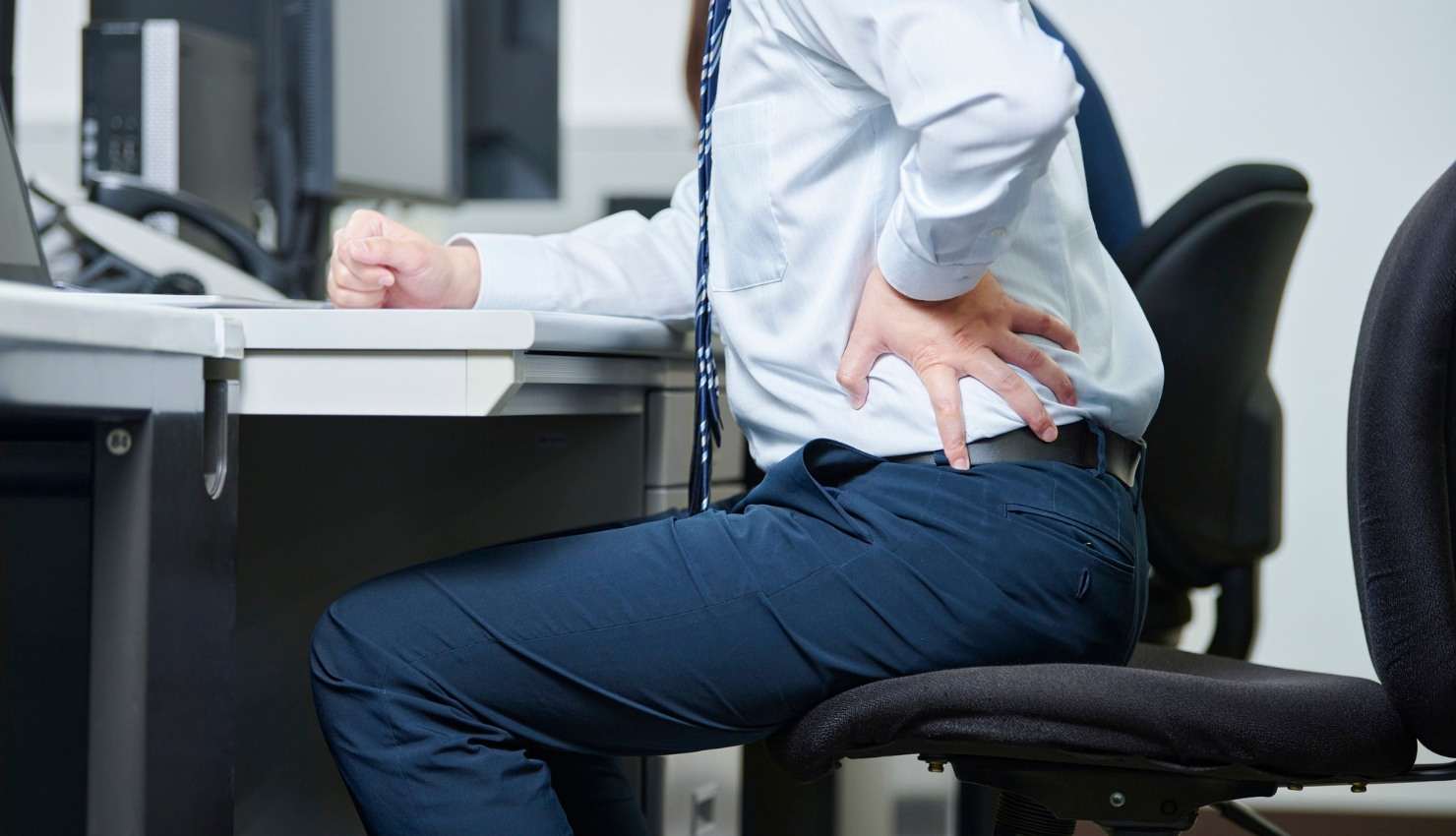
Your spine is designed to movenot to stay hunched over a laptop for 8+ hours. Common causes of pain include:
Forward head posture (tech neck)
Unsupported lower back (poor lumbar support)
Improper monitor height
Slouched sitting or leaning on one side
Lack of movement throughout the day
Over time, these habits lead to muscle imbalances, disc pressure, and joint stiffness that can cause lasting damage.
??? Ergonomic Tips to Prevent Neck and Back Pain
Lets break it down into practical, physiotherapy-informed steps:
??? 1. Monitor Height and Position
Goal: Keep your neck in a neutral, relaxed position.
Top of the screen = eye level
Screen 2028 inches (an arms length) away
Use a laptop stand or stack books to elevate the screen
Dual monitors? Position the primary one directly in front
? Avoid looking down or twisting your neck
?? 2. Choose the Right Chair
Goal: Support your spines natural curves.
Adjustable height and lumbar support
Feet flat on the floor or on a footrest
Hips and knees at 90° angles
Back fully supported (avoid perching forward)
Sit all the way backdont slouch
? A rolled-up towel or lumbar pillow can help if your chair lacks support
?? 3. Keyboard and Mouse Placement
Goal: Keep your shoulders and wrists relaxed.
Wrists straight and level with your forearms
Elbows bent at 90° and close to your body
Mouse next to the keyboard, not off to the side
Consider an ergonomic split keyboard and vertical mouse if you feel strain
? Use wrist rests if neededbut dont type with pressure on them
?? 4. Try a Sit-Stand Desk (Safely!)
Goal: Reduce static posture and spinal loading.
Alternate between sitting and standing every 3060 minutes
Use a footrest or shift weight often when standing
Avoid leaning or locking your knees
Maintain same ergonomic principles for monitor, keyboard, and arm position
? Start with standing 1530 minutes at a time and build gradually
?? 5. Incorporate Micro-Movements and Stretches
Goal: Keep your spine mobile and muscles active.
Do neck rolls, shoulder shrugs, and seated twists regularly
Get up every 3060 minutes to walk or stretch
Try standing while on phone calls or pacing during breaks
Use desk-friendly stretches (want a list?)
? Movement is the #1 way to prevent stiffness and tension
?? Common Home Office Mistakes to Avoid
Working on a couch or bed without support
Perching on a barstool or kitchen chair
Using a laptop without a riser all day
Cradling the phone between shoulder and ear

