Pelvic floor health is foundational to a woman’s overall wellness, yet it remains one of the most underrecognized aspects of physical health. The pelvic floor is a complex group of muscles, ligaments, and connective tissues that support the bladder, bowel, and reproductive organs.

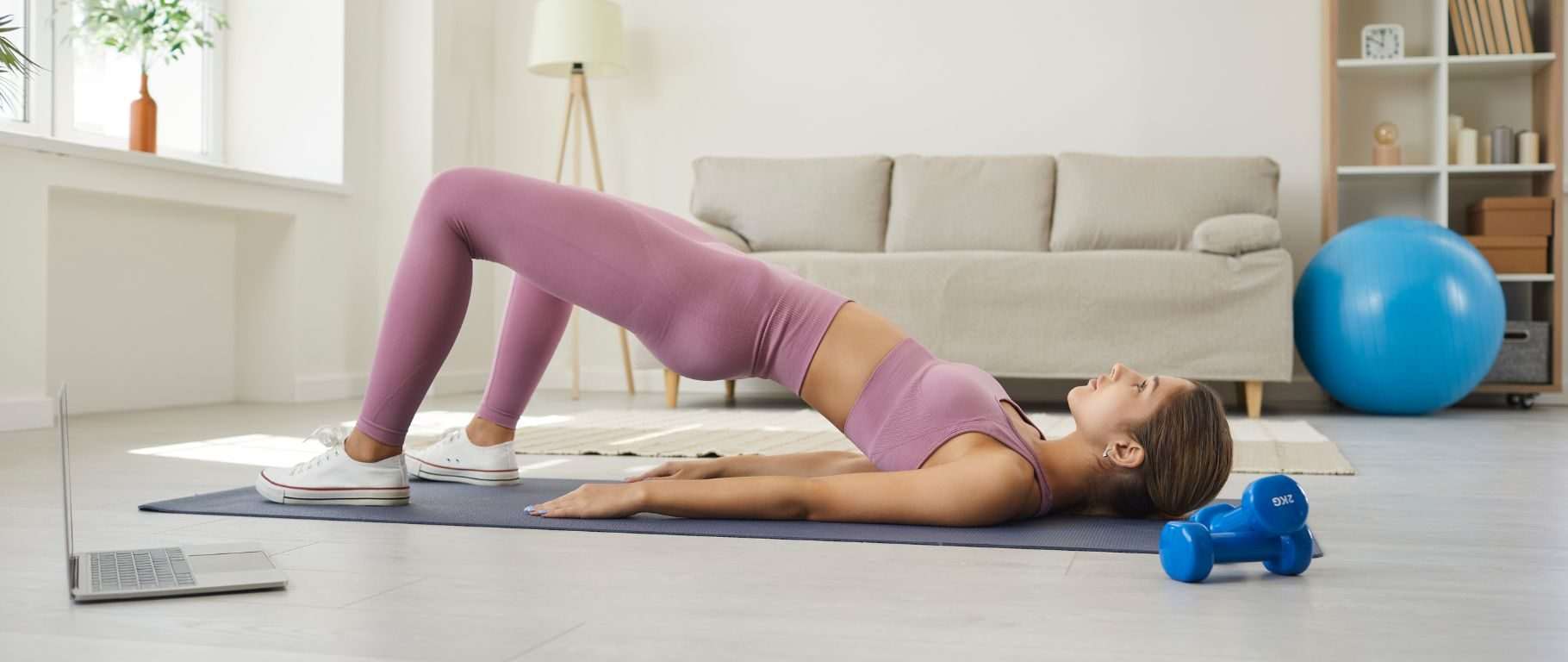
Pelvic floor health is foundational to a woman’s overall wellness, yet it remains one of the most underrecognized aspects of physical health. The pelvic floor is a complex group of muscles, ligaments, and connective tissues that support the bladder, bowel, and reproductive organs. When functioning properly, these muscles contribute to continence, sexual function, stability, and even postural alignment. When dysfunction occurs, it can affect nearly every aspect of daily life, from physical performance to emotional resilience.
Prioritizing pelvic floor health is not just about treating isolated symptomsit’s about improving whole-body function and quality of life.
Core Functionality Starts with the Pelvic Floor
The pelvic floor is part of the deep core system, which includes the diaphragm, deep abdominal muscles, and deep back muscles. This system works together to stabilize the spine, support internal organs, and facilitate breathing and movement.
When the pelvic floor is weak or overly tense, it can throw off this balance. Symptoms such as lower back pain, hip discomfort, and poor balance can often be traced back to pelvic floor dysfunction. Physiotherapy focused on restoring pelvic floor health helps realign the entire core system and improves foundational strength that supports everything from walking and lifting to high-impact activity.
Pelvic Health and Bladder, Bowel, and Sexual Function
Pelvic floor muscles are responsible for controlling the openings of the bladder and rectum. Dysfunction in these muscles can lead to urinary incontinence, fecal leakage, or constipation. These issues can significantly affect day-to-day life, limiting confidence and social engagement.
In addition to continence, pelvic health is crucial for comfortable, pain-free sexual activity. A weak pelvic floor may reduce sexual sensation, while an overly tight one can lead to pain or discomfort during intimacy. Physiotherapy provides both strengthening and relaxation strategies to restore healthy, pain-free function.
How Pelvic Floor Dysfunction Affects Posture and Movement
Postural issues, hip instability, and spinal alignment problems often stem from imbalances in the pelvic region. Many women experience tight hip flexors, glute weakness, or even knee strain due to an unaddressed pelvic floor issue. Over time, this can lead to chronic pain and mobility restrictions.
Pelvic floor physiotherapy incorporates postural assessment and movement correction to improve the way the body functions as a unit. Small adjustments in pelvic alignment can have a ripple effect on back, shoulder, and neck paincontributing to overall wellness.
The Link Between Pelvic Health and Emotional Well-Being
Women dealing with pelvic floor issues often experience a decline in emotional health due to embarrassment, frustration, or isolation. Concerns like incontinence or pelvic pain can cause anxiety and limit participation in social, physical, or sexual activities. Over time, this may lead to reduced self-esteem and even depression.
Investing in pelvic floor physiotherapy can help women regain control over their bodies, which contributes to emotional confidence and mental well-being. Feeling strong, in control, and informed about ones pelvic health helps reduce anxiety and promotes a better quality of life.
Preventing Long-Term Health Issues
Ignoring pelvic floor issues may lead to more serious problems in the future, including pelvic organ prolapse, chronic pain syndromes, or complex postpartum complications. Early intervention through physiotherapy not only addresses current symptoms but also prevents deterioration of pelvic health over time.
Regular check-ups with a pelvic floor physiotherapisteven in the absence of symptomscan help detect dysfunction early and support proactive wellness planning.
Everyday Benefits of a Healthy Pelvic Floor
Maintaining pelvic floor strength and flexibility supports:
Better control of bladder and bowel functions
Easier, more comfortable sexual experiences
Enhanced core strength and spinal support
Improved athletic performance and endurance
Reduced injury risk during exercise and daily movement
Greater comfort during pregnancy and postpartum recovery
These benefits demonstrate how pelvic floor health influences nearly every system in the body. It’s not just a specialized concernits a cornerstone of total health.
How YFS Supports Your Pelvic Wellness Journey
At YourFormSux (YFS), we offer personalized pelvic health physiotherapy for women at every life stage. Whether you’re preparing for childbirth, recovering postpartum, managing menopause-related changes, or simply seeking to maintain pelvic health, our programs are designed with your body and lifestyle in mind.
Through expert assessment, education, and hands-on therapy, we help women strengthen their pelvic floor, reduce discomfort, and improve overall wellness. Pelvic floor health is not optionalits essential. Start your journey toward whole-body wellness with dedicated support from the team at YFS.