Combats the Effects of Prolonged Sitting Sitting for hours can tighten muscles, compress joints, and reduce circulation. Stretching:

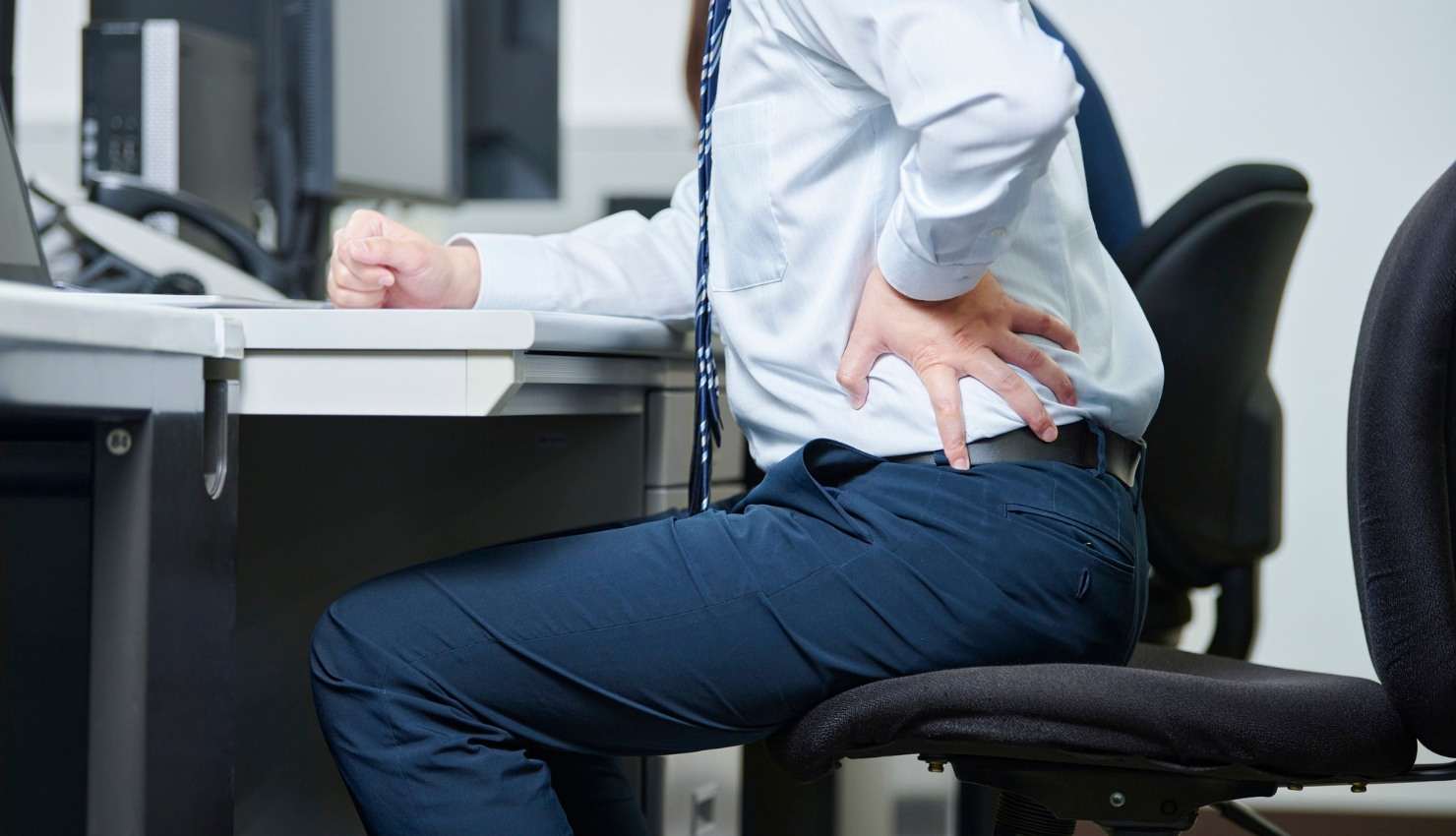
Combats the Effects of Prolonged Sitting
Sitting for hours can tighten muscles, compress joints, and reduce circulation. Stretching:
Lengthens shortened muscles (like hip flexors and chest muscles)
Reduces tension in the neck, shoulders, and lower back
Improves blood flow, keeping muscles and joints nourished
2. Reduces Muscle Tension and Pain
Common work-from-home complaints include:
Neck and upper back stiffness
Lower back discomfort
Wrist and hand fatigue
Regular stretching relieves built-up tension, increases flexibility, and helps prevent these aches from becoming chronic.
3. Improves Posture
Stretching helps correct muscle imbalances caused by poor posture. When done consistently, it:
Encourages upright alignment
Reduces forward-head and rounded-shoulder posture
Re-engages muscles that weaken over time (like your upper back and core)
4. Boosts Mental Clarity and Energy
Stretching isnt just physical. It helps:
Relieve stress and reset your nervous system
Promote deeper breathing
Refresh your mind and body between meetings or tasks
Easy Stretching Routine for Your Workday
These stretches can be done right at your deskor nearby in just a few minutes.
? Neck and Shoulder Relief
Neck side stretch: Gently bring your ear to your shoulder and hold for 1530 seconds each side.
Shoulder rolls: Roll your shoulders backward 10 times, then forward 10 times.
? Back and Spine Reset
Seated spinal twist: Sit tall, rotate your upper body to one side, holding the back of your chair for support.
Cat-cow stretch (standing or on all fours): Alternate arching and rounding your spine to improve mobility.
? Hip and Leg Mobility
Standing quad stretch: Hold one ankle behind you to stretch the front of your thigh.
Figure-four stretch (seated): Cross one ankle over your opposite knee and gently lean forward.
? Wrist and Hand Recovery
Wrist flexor stretch: Extend one arm, palm up, and gently pull the fingers back with your other hand.
Finger flicks: Flick your fingers out vigorously for 30 seconds to boost circulation.
How Often Should You Stretch?
Every 3060 minutes: Do short stretch breaks (13 minutes) throughout the day.
After long tasks or meetings: Reset your posture and body.
End-of-day unwind: Finish your workday with a gentle 510-minute routine to reduce lingering tension.
?? Stretching consistently is more important than stretching for long periods. Think of it as a reset button for your muscles.