Pelvic floor dysfunction affects a significant number of women but is often underdiagnosed due to a lack of awareness and discomfort in discussing symptoms. The pelvic floor consists of muscles and connective tissues that support the pelvic organsbladder, bowel, and uterusand play a critical role in urinary control, bowel movements, sexual function, and core stability.

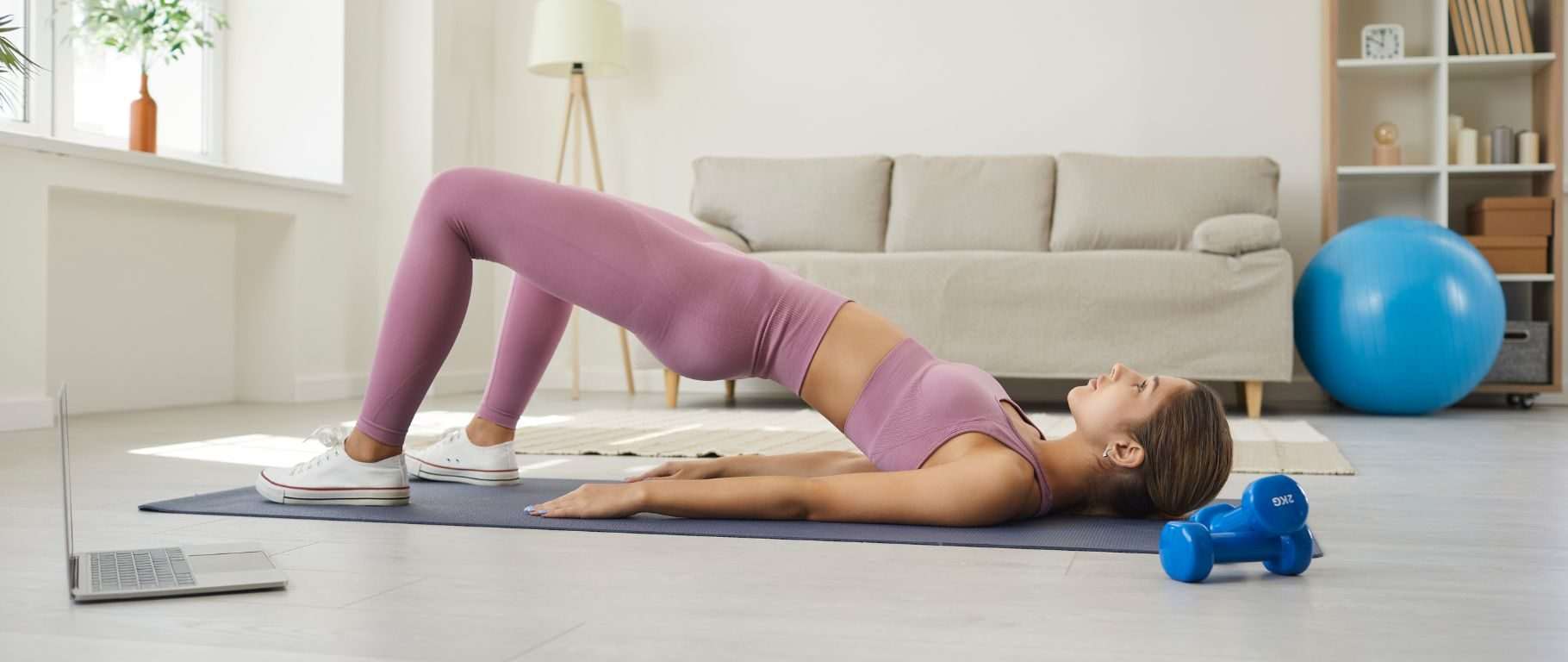
Pelvic floor dysfunction affects a significant number of women but is often underdiagnosed due to a lack of awareness and discomfort in discussing symptoms. The pelvic floor consists of muscles and connective tissues that support the pelvic organsbladder, bowel, and uterusand play a critical role in urinary control, bowel movements, sexual function, and core stability. When these muscles do not function properly, a range of symptoms can emerge, impacting daily life and long-term well-being.
Understanding the signs, causes, and treatment options for pelvic floor dysfunction is key to managing this condition and improving overall health.
Common Symptoms of Pelvic Floor Dysfunction
Pelvic floor dysfunction manifests in different ways depending on whether the muscles are too weak, too tight, or poorly coordinated. Common symptoms include:
Urinary incontinence: Leaking urine during activities such as coughing, sneezing, or exercising.
Fecal incontinence: Difficulty controlling bowel movements.
Pelvic pressure: A feeling of heaviness or bulging in the vaginal or rectal area.
Pelvic pain: Discomfort in the lower abdomen, genitals, or perineum.
Painful intercourse: Sharp, burning, or deep pain during or after sex.
Difficulty emptying the bladder or bowel: Straining, incomplete voiding, or constipation.
These symptoms may vary in intensity and are often mistaken for unrelated issues. Early recognition is important to prevent worsening of the condition.
What Causes Pelvic Floor Dysfunction?
Pelvic floor dysfunction can result from multiple factors. The most common causes include:
Pregnancy and childbirth: The strain of carrying a baby and delivering through the vaginal canal can stretch or tear pelvic muscles and nerves.
Menopause: Hormonal changes, particularly a drop in estrogen, can weaken the pelvic tissues and reduce elasticity.
Chronic straining: Conditions like constipation or prolonged coughing increase pressure on the pelvic floor.
High-impact activities: Sports like running or lifting heavy weights without proper support can strain pelvic structures.
Trauma or injury: Pelvic surgeries or falls can disrupt muscle coordination or damage nerves.
Postural imbalances: Poor alignment of the spine and pelvis can place excess stress on the pelvic floor over time.
Its important to note that pelvic floor dysfunction can affect women of all agesnot just those who have had children or are postmenopausal.
Diagnosis and Assessment
Pelvic floor dysfunction is best assessed by a trained pelvic health physiotherapist. A comprehensive evaluation includes:
Postural analysis: Looking at body mechanics and alignment.
Internal and external muscle examination: Assessing strength, tone, coordination, and trigger points.
Breathing and core function analysis: Examining how the diaphragm and abdominal muscles interact with the pelvic floor.
Symptom history and daily habits: Understanding how lifestyle factors influence dysfunction.
This assessment guides the development of a personalized treatment plan.
How Physiotherapy Treats Pelvic Floor Dysfunction
Pelvic floor physiotherapy is the most effective non-surgical treatment for this condition. It offers long-term solutions by targeting the root causes rather than masking symptoms. Treatment may include:
Pelvic floor muscle training: Strengthening or relaxing exercises based on whether the muscles are weak or overactive.
Manual therapy: Techniques to release muscle tension, address scar tissue, or improve blood flow.
Breath retraining: Coordinating diaphragmatic breathing with core and pelvic floor engagement.
Biofeedback and electrical stimulation: Tools to improve awareness and muscle control.
Postural correction: Improving spinal and pelvic alignment to reduce strain on the pelvic muscles.
These strategies are safe, evidence-based, and tailored to each individuals symptoms and goals.
Lifestyle Modifications for Long-Term Relief
In addition to physiotherapy, women can support pelvic health through daily practices such as:
Avoiding prolonged sitting or standing in poor posture
Managing constipation through hydration and fiber intake
Engaging in low-impact core exercises like Pilates or walking
Practicing stress management to reduce tension-related pelvic pain
Combining therapy with mindful daily habits ensures better results and prevents symptom recurrence.
Why Early Intervention Matters
Pelvic floor dysfunction rarely resolves on its own. Without intervention, it can progress and interfere with mobility, intimacy, and emotional well-being. Early physiotherapy can correct muscle imbalances, reduce discomfort, and restore confidence before symptoms escalate.
By taking proactive steps, women can maintain bladder and bowel control, enjoy pain-free movement, and improve their overall quality of life.
YourFormSux (YFS): Trusted Support for Pelvic Health
At YourFormSux (YFS), we specialize in pelvic floor physiotherapy that empowers women to take charge of their health. Our individualized programs address the physical and emotional dimensions of pelvic floor dysfunction, offering evidence-based care in a compassionate setting.
Whether youre managing recent symptoms or living with long-standing issues, YFS provides the support and expertise to help you heal.