Pelvic health and core strength are deeply interconnected, particularly for women navigating the physical demands of menstruation, pregnancy, postpartum recovery, and menopause. Yet, many women overlook this relationship, assuming that pelvic floor issues can be resolved in isolation.

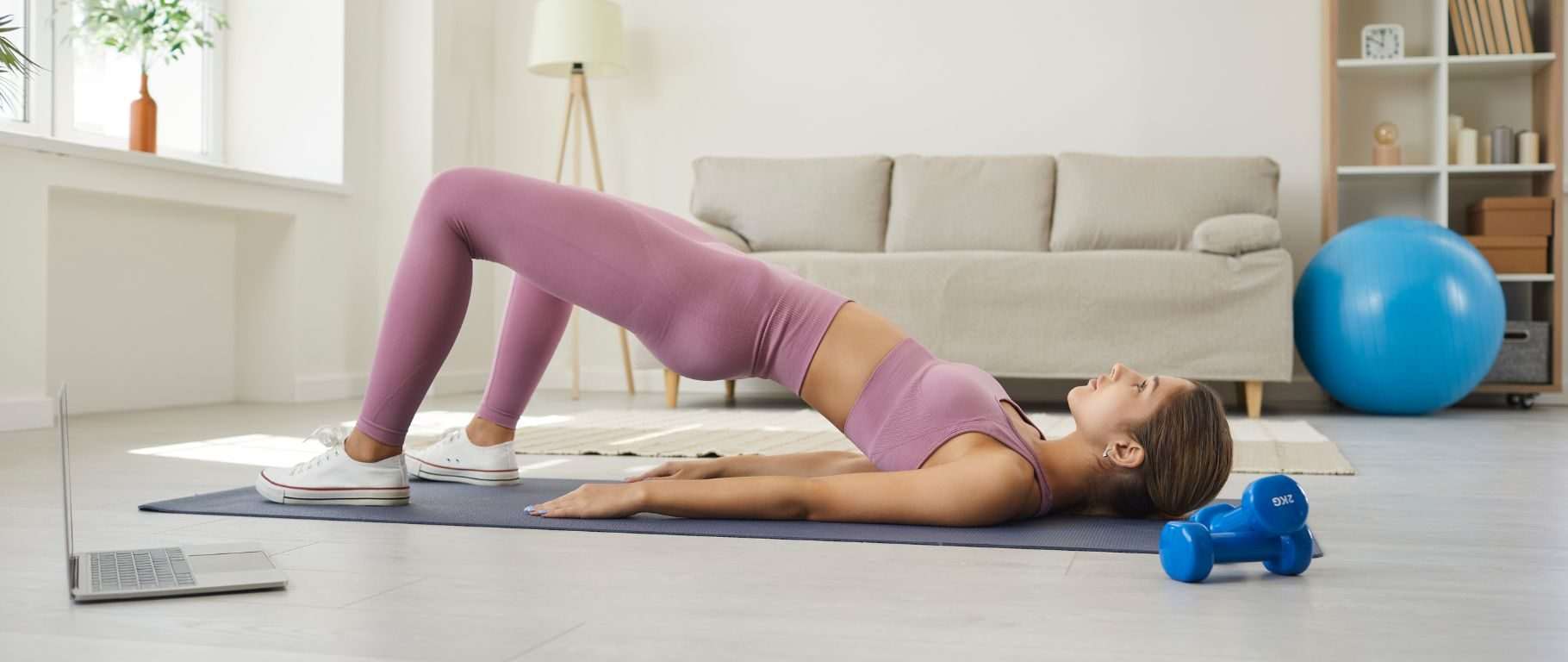
Pelvic health and core strength are deeply interconnected, particularly for women navigating the physical demands of menstruation, pregnancy, postpartum recovery, and menopause. Yet, many women overlook this relationship, assuming that pelvic floor issues can be resolved in isolation. In reality, a weak or imbalanced core can directly impact pelvic floor functionand vice versa. Understanding how these two systems work together is crucial to maintaining long-term health, stability, and comfort.
Defining the Core and Pelvic Floor Relationship
The “core” is more than just abdominal muscles. It includes the diaphragm (top), abdominals (front), spinal muscles (back), and pelvic floor (bottom). These muscles form a pressure-regulating unit that supports the spine, stabilizes movement, and controls functions like breathing, urination, and bowel movements.
When core strength is compromisedwhether from pregnancy, injury, or inactivityit disrupts the pressure system. This imbalance can overload the pelvic floor, causing symptoms such as incontinence, pelvic pain, or prolapse. Similarly, a dysfunctional pelvic floor can reduce core stability and lead to back pain or postural problems.
Signs of Core and Pelvic Floor Dysfunction
Women may not immediately connect common symptoms to core and pelvic floor issues, but the following signs often indicate a deeper imbalance:
Low back pain or pelvic pain
Leaking urine during exercise, sneezing, or coughing
Poor posture or pelvic tilt
Pressure or heaviness in the lower abdomen
Frequent constipation or straining
Left untreated, these symptoms can limit physical activity and impact quality of life.
Why Core Strength Matters for Pelvic Health
A strong core doesn’t just support movementit provides a solid base for the pelvic floor to function efficiently. During daily activities, the core and pelvic floor coordinate to manage intra-abdominal pressure. For example, when lifting a heavy object, both systems engage to prevent downward pressure from harming pelvic organs.
If core muscles are weak or poorly activated, the pelvic floor compensates by working harder, often becoming tight or fatigued. This can lead to discomfort, inefficient bladder control, or even long-term prolapse.
How Physiotherapy Restores Core-Pelvic Balance
Pelvic floor physiotherapists assess how your entire core unit functionsnot just isolated muscles. Treatment often involves:
Pelvic floor training to improve contraction, relaxation, and timing
Core retraining to reactivate deep abdominal muscles like the transverse abdominis
Breathing techniques to coordinate diaphragm and pelvic floor movement
Postural alignment exercises to reduce unnecessary pressure on the pelvic region
Functional training to integrate core-pelvic coordination into daily tasks
By addressing the system holistically, physiotherapy can prevent future injuries and improve performance in everything from workouts to household chores.
Exercises That Support Core and Pelvic Health
Women can begin strengthening this system safely with physiotherapy-approved exercises. Examples include:
Diaphragmatic breathing: Promotes awareness of pressure regulation
Pelvic tilts: Gently activates core and pelvic floor together
Modified bridges and leg lifts: Engage stabilizers without overloading tissues
Deep core engagement drills: Focus on controlled movements, not high reps
These movements should always be done with correct form, breath coordination, and, ideally, professional guidance to ensure pelvic floor safety.
Life Stages That Impact Core and Pelvic Health
Women experience several life events that affect the core-pelvic connection:
Pregnancy and postpartum: Abdominal stretching and pelvic pressure weaken both systems.
Menstruation: Hormonal shifts can influence core strength and pelvic floor tension.
Menopause: Reduced estrogen affects tissue elasticity, core function, and pelvic support.
Athletic activities: High-impact sports or improper lifting techniques can strain both areas.
Adapting wellness routines during these stages with physiotherapy can prevent dysfunction and build long-term strength.
Prioritizing a Core-Pelvic Floor Routine
Women of all ages benefit from building a fitness routine that includes pelvic health awareness. Whether you’re recovering from childbirth, managing menstrual cramps, or simply improving strength, a combined focus on core and pelvic floor function leads to better outcomes. Rather than treating pelvic symptoms in isolation, treating the body as a functional system results in deeper, more sustainable healing.
By reconnecting with your core and understanding its relationship with the pelvic floor, you can prevent pain, improve posture, and move with confidence at every stage of life.