The pelvic floor plays a crucial role in a womans health throughout her life. From puberty and menstruation to pregnancy, postpartum recovery, and menopause, every stage brings shifts that affect pelvic function.

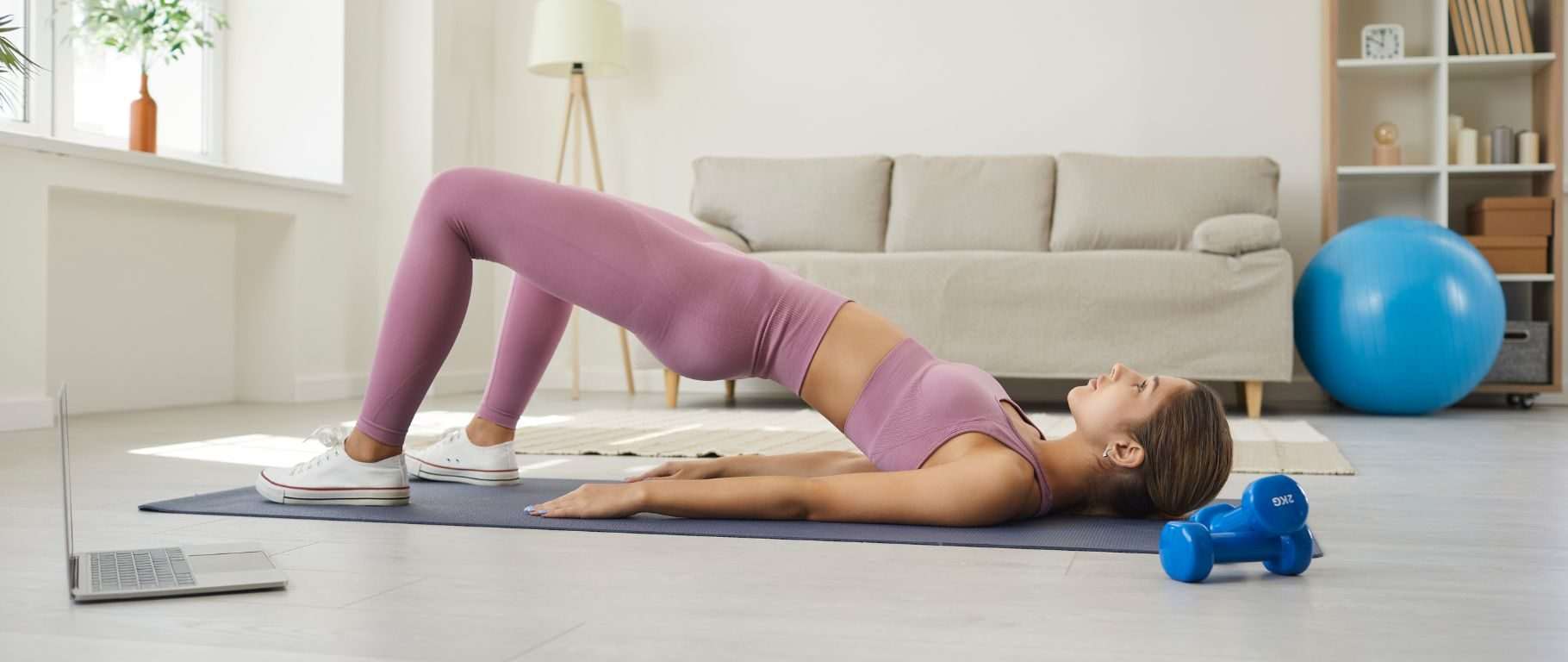
The pelvic floor plays a crucial role in a womans health throughout her life. From puberty and menstruation to pregnancy, postpartum recovery, and menopause, every stage brings shifts that affect pelvic function. These changes can challenge the strength, flexibility, and coordination of pelvic muscles, increasing the risk of incontinence, pain, or pelvic organ prolapse. Proactively supporting pelvic health through each phase helps prevent dysfunction and improves quality of life.
Understanding the Pelvic Floor’s Role Across Life Stages
The pelvic floor is a group of muscles and connective tissues at the base of the pelvis. It supports the bladder, uterus, and rectum and plays a vital role in urinary control, bowel function, sexual health, and core stability. When hormonal or physical changes disrupt this system, women may experience discomfort, weakness, or poor muscle coordination.
Maintaining pelvic health is not just about preventing symptomsit’s about preserving function and adaptability as the body evolves.
Puberty and Early Adulthood
Hormonal changes during puberty affect pelvic muscle tone and menstrual cycles. Irregular or painful periods, constipation, or urinary frequency may indicate underlying muscle tension or imbalances. This is a critical time to introduce pelvic health education and normalize awareness around menstrual health, posture, and bladder habits.
A physiotherapist can teach healthy toileting habits, pain management strategies, and foundational pelvic awareness to establish good habits early.
Pregnancy and Postpartum
During pregnancy, the pelvic floor supports increased weight and adjusts to hormonal softening of ligaments. This leads to weakened muscles, pelvic pressure, or even urinary leakage. After deliverywhether vaginal or C-sectionhealing pelvic tissues and restoring muscle coordination is essential.
Pelvic floor physiotherapy during and after pregnancy helps:
Rebuild strength and flexibility
Improve bladder control
Reduce pelvic pain
Support scar tissue healing (especially after episiotomies or tears)
Prevent long-term issues like prolapse
A personalized treatment plan ensures that postpartum recovery includes both pelvic and core rehabilitation.
Menstruation and Monthly Changes
Monthly hormone fluctuations affect pelvic floor tone, particularly during menstruation and ovulation. Many women experience bloating, pelvic discomfort, or changes in bowel patterns. These symptoms can become more pronounced when the pelvic floor is too tight or lacks proper mobility.
Integrating gentle movement, breathing exercises, and physiotherapy guidance during this time helps reduce menstrual-related pelvic floor tension and promotes cycle-friendly wellness practices.
Perimenopause and Menopause
The drop in estrogen during perimenopause and menopause significantly affects pelvic floor tissues. Muscles may lose tone, collagen levels decline, and bladder or bowel function becomes less reliable. This stage often coincides with increased reports of urinary urgency, prolapse, or sexual discomfort.
Pelvic floor physiotherapy during menopause helps by:
Teaching strength-building exercises
Improving tissue hydration through safe mobility work
Restoring confidence in bladder and bowel function
Enhancing blood flow and sensation for sexual health
Its never too late to begin strengthening and rehabilitating the pelvic floor.
Key Practices for Lifelong Pelvic Health
Regardless of life stage, consistent pelvic care includes:
Pelvic floor awareness: Learn to recognize tension and relaxation
Core integration: Ensure your pelvic floor works with your abdominals and diaphragm
Postural alignment: Poor posture strains the pelvic floor over time
Breath control: Diaphragmatic breathing supports pelvic coordination
Exercise: Choose movement that challenges but doesnt overstrain pelvic muscles
Avoiding harmful habits: Straining during bowel movements or poor lifting mechanics can cause dysfunction
Pelvic floor physiotherapists tailor these strategies to your life stage and personal goals, creating a plan that evolves as you do.
Creating a Pelvic Health Routine
Just like any wellness routine, pelvic care works best when integrated into daily life. Include brief pelvic awareness exercises in your morning or evening routine. Seek professional guidance when changessuch as childbirth or menopauseaffect your comfort or confidence.
Pelvic health is a lifelong journey, not a one-time fix. By staying proactive and informed, you can protect and improve your pelvic function through every transition.