Ergonomics is about fitting your environment to your bodynot the other way around. A good ergonomic setup helps:

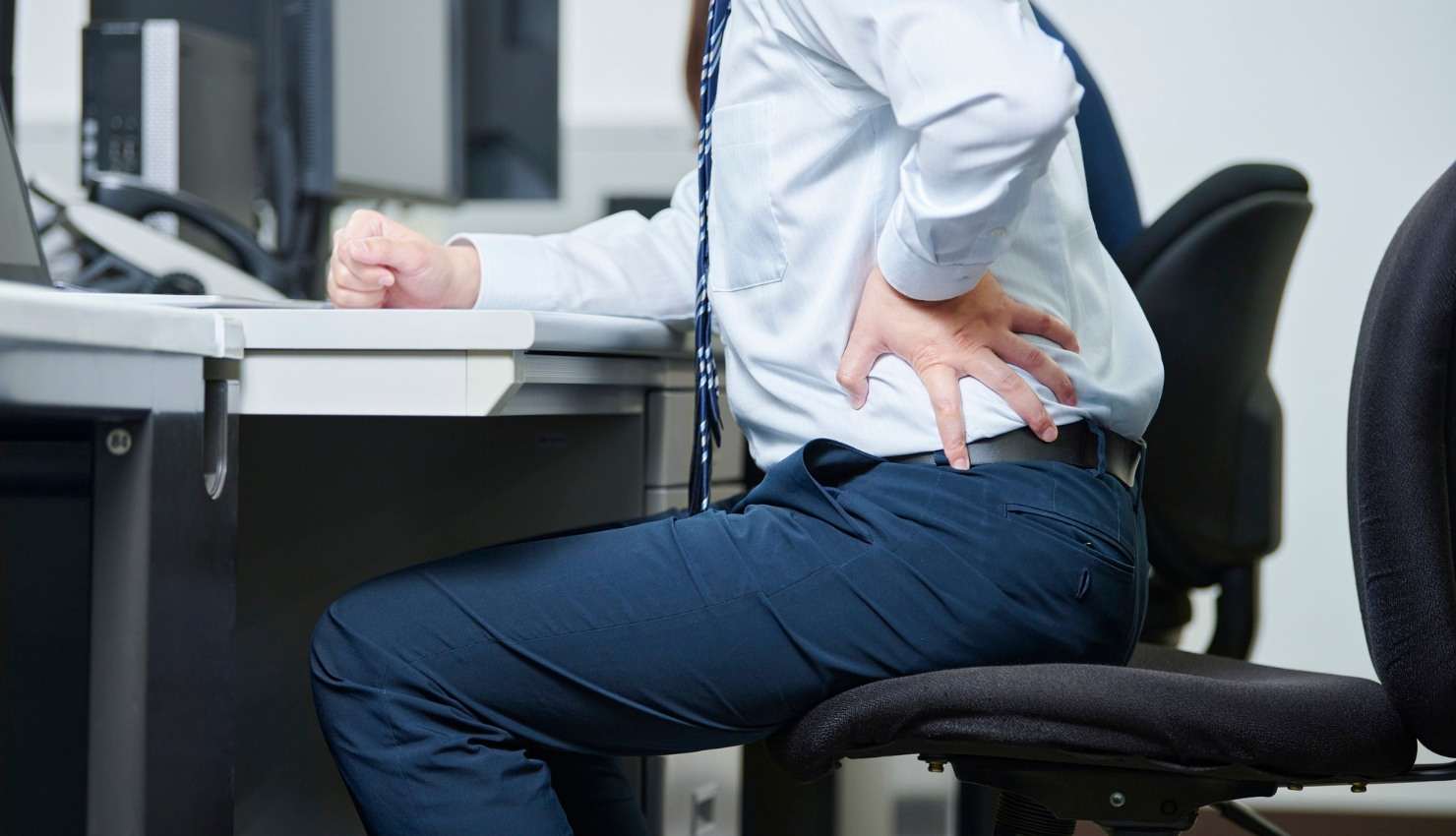
Ergonomics is about fitting your environment to your bodynot the other way around. A good ergonomic setup helps:
Prevent musculoskeletal injuries
Improve posture and circulation
Increase focus and productivity
Reduce fatigue and long-term pain
1. Set Up Your Desk and Monitor Correctly
? Monitor Placement:
Eye level: The top of your screen should be at or just below eye level.
Distance: Keep the monitor about an arms length away.
Angle: Tilt the screen slightly upward and directly in front of younever off to the side.
Tip: Use books or a laptop stand to elevate your screen if needed.
2. Choose the Right Chair (or Make Yours Better)
A supportive chair is keybut even a dining chair can work with a few tweaks.
Ergonomic Chair Checklist:
Feet flat on the floor (or on a footrest)
Knees at hip level or slightly lower
Lumbar support: Use a small cushion or rolled towel for lower back support
Elbows at 90 degrees: Rest your arms on the armrests or desk without lifting your shoulders
3. Improve Keyboard and Mouse Positioning
Reaching or twisting to use your keyboard or mouse can strain your shoulders and wrists.
Keep them close: Your keyboard and mouse should be right in front of you.
Wrist position: Wrists should stay straightnot bent or angled.
Use a wrist rest if needed to maintain neutral alignment.
Tip: If you’re using a laptop, consider an external keyboard and mouse.
4. Build in Regular Movement
Even the best ergonomic setup cant replace the need for movement.
Follow the 30/30 rule: Every 30 minutes, stand or stretch for at least 30 seconds.
Change positions: Alternate between sitting and standing if possible.
Stretch: Focus on the neck, shoulders, back, and hips to relieve tension.
5. Manage Lighting and Glare
Natural light is ideal but avoid placing screens directly in front of or behind windows.
Reduce glare with blinds or anti-glare screen protectors.
Use a task light with warm, even lighting to reduce eye strain.
6. Use Ergonomic Accessories (or DIY Alternatives)
You dont need to buy expensive gear to improve your setup:
Laptop stand ? Stack of sturdy books
Footrest ? A box or firm cushion
Monitor riser ? An unused drawer or shelf
Standing desk ? Try a countertop or stackable trays
7. Listen to Your Body
Your body gives early signals when something is off:
Sore neck or shoulders ? Screen might be too low
Wrist pain ? Keyboard or mouse angle could be wrong
Lower back ache ? Check your chair support and sitting posture
A physiotherapist can provide personalized recommendations based on your symptoms and work habits.
Final Thought
Improving your home office ergonomics doesnt require a major overhauljust intentional changes that support the natural alignment of your body. By paying attention to your setup and incorporating movement throughout the day, you can protect your health and work more comfortably for the long run.