Menstrual health is often framed around hormone cycles, emotional wellbeing, and reproductive health, but one critical area that deserves more attention is the pelvic floor. The pelvic floor muscles play a key role in menstrual comfort, pain management, and internal stability.

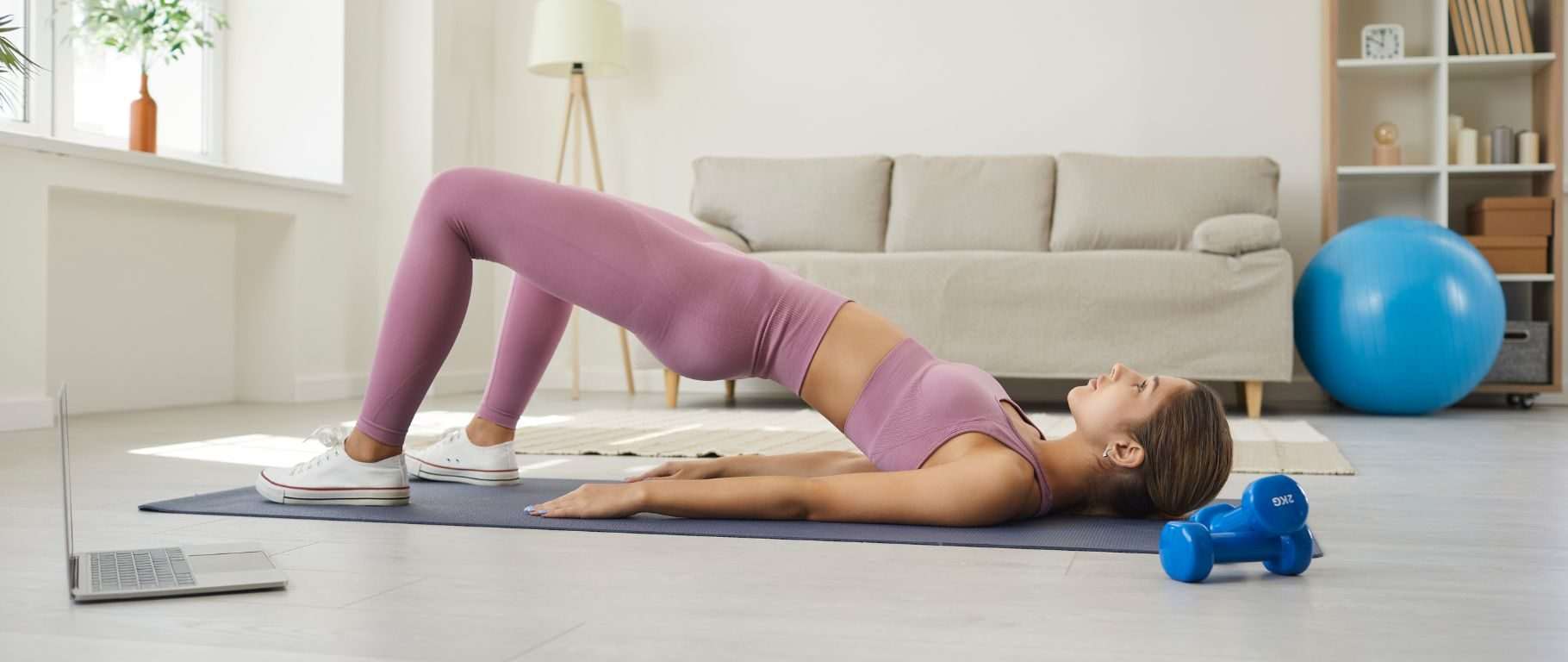
Menstrual health is often framed around hormone cycles, emotional wellbeing, and reproductive health, but one critical area that deserves more attention is the pelvic floor. The pelvic floor muscles play a key role in menstrual comfort, pain management, and internal stability. When these muscles are tight, weak, or poorly coordinated, menstrual symptoms such as cramps, pelvic pain, and digestive discomfort can intensify.
Pelvic floor physiotherapy is a specialized approach that helps improve menstrual health by addressing the musculoskeletal aspects of pelvic function. For many women, it offers natural relief from recurring pain and creates a strong foundation for long-term reproductive health.
Understanding the Link Between Menstruation and Pelvic Floor Health
During the menstrual cycle, fluctuating hormone levelsespecially estrogen and progesteronecan affect muscle tone, blood flow, and sensitivity in the pelvic region. The pelvic floor muscles often respond to these hormonal changes by tightening or becoming more sensitive.
This leads to:
Increased cramping or period pain
Pelvic pressure or heaviness
Painful bowel movements
Bladder urgency or leakage
Lower back or hip pain during menstruation
In many cases, these symptoms are not due to a hormonal problem alone but involve mechanical dysfunction in the pelvic floor that can be addressed through physiotherapy.
Common Pelvic Floor Dysfunctions That Affect Menstrual Health
Women who experience chronic menstrual pain or discomfort may unknowingly have pelvic floor dysfunction, such as:
Hypertonic (overactive) pelvic floor muscles: These can cause excessive cramping and tension in the uterus and surrounding organs.
Myofascial trigger points: Tight spots within pelvic muscles can refer pain to the abdomen, groin, or thighs.
Poor muscle coordination: Weak or unbalanced muscles affect blood flow and tissue mobility during menstruation.
Pelvic organ restriction: Scar tissue, endometriosis, or tight fascia can limit organ movement and worsen symptoms.
Pelvic floor physiotherapists are trained to assess and treat these underlying contributors to menstrual pain.
How Physiotherapy Improves Menstrual Health
Pelvic floor physiotherapy uses non-invasive techniques to help women manage period-related discomfort and build resilience in the pelvic region. Treatment often includes:
Internal and external manual therapy to release muscle tension and trigger points
Breath training and relaxation techniques to reduce pressure on the uterus and bladder
Pelvic mobility exercises to increase circulation and tissue elasticity
Core and pelvic floor coordination drills to improve support and function
Education on posture and body mechanics to reduce stress during daily tasks or physical activity
These interventions are customized based on each woman’s symptoms, history, and goals.
Managing Specific Menstrual Conditions with Physiotherapy
Women with conditions like endometriosis, dysmenorrhea (painful periods), or polycystic ovary syndrome (PCOS) often report improvements when pelvic floor therapy is added to their care plan. While physiotherapy doesnt change hormone levels, it reduces muscular and fascial restrictions, improves nerve flow, and helps regulate pain perception.
For example:
Endometriosis: Treatment can reduce pelvic pain, improve bowel function, and decrease tenderness.
PCOS: Pelvic physiotherapy supports weight management and core stability, which are often part of PCOS treatment.
Dysmenorrhea: By decreasing pelvic floor tension, cramps may become less severe or more manageable.
Empowering Women with Knowledge and Tools
One of the greatest benefits of pelvic floor physiotherapy is education. Women learn how to:
Track tension and relaxation patterns across their menstrual cycle
Use movement and breath to manage cramps naturally
Prevent pelvic dysfunction from developing due to poor posture or repetitive stress
Build confidence in their bodies through improved strength and awareness
These skills can be applied beyond menstruation to support pregnancy, postpartum recovery, and healthy aging.
The Role of Prevention in Menstrual Health
Pelvic floor dysfunction does not need to be a lifelong struggle. Early intervention and education are powerful tools to prevent worsening symptoms. Even if you dont have a diagnosed condition, physiotherapy can help optimize pelvic alignment and resilience throughout your cycle.
Women who prioritize pelvic health during their reproductive years often find they experience fewer complications later in life, including pelvic organ prolapse, chronic pain, or urinary incontinence.