Pelvic health is a fundamental but often neglected component of a womans overall wellness. While diet, exercise, and mental health are common parts of wellness routines, pelvic floor care is frequently overlookeduntil symptoms like incontinence, pain, or prolapse arise.

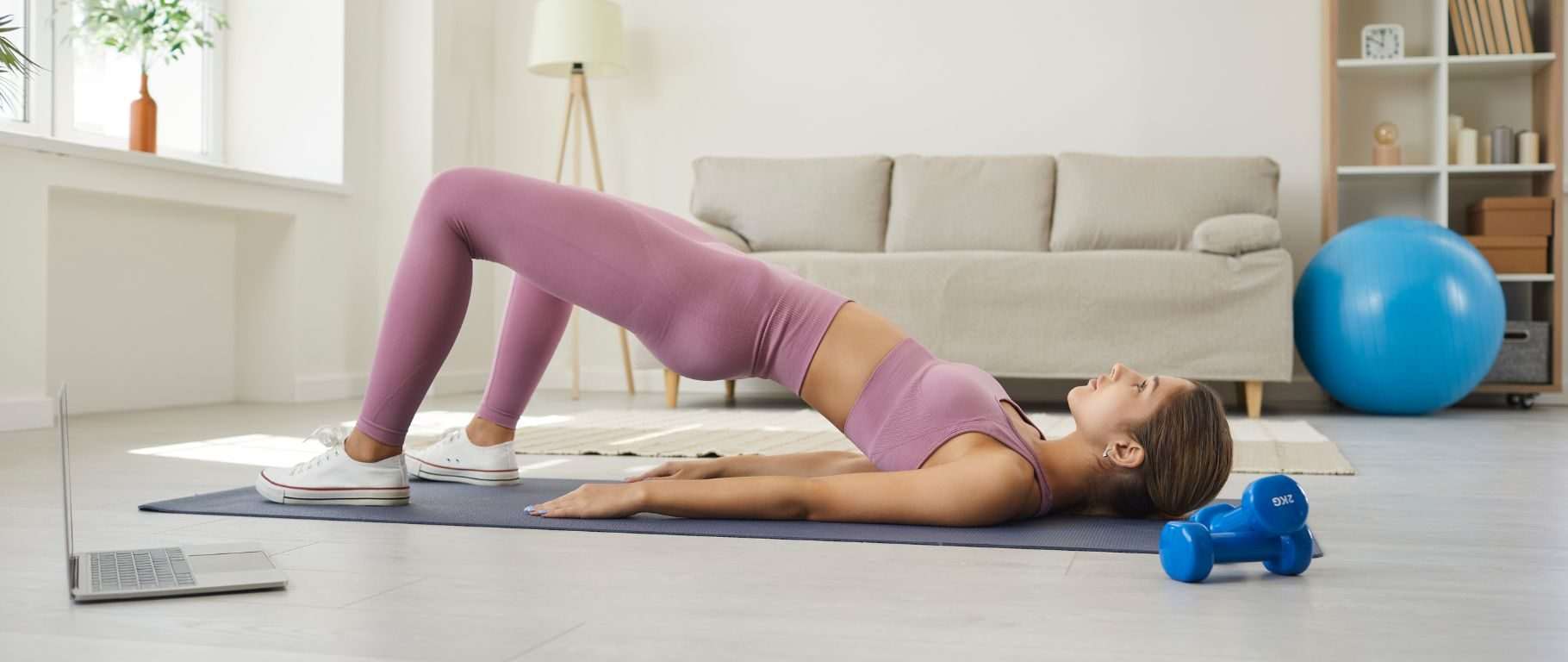
Pelvic health is a fundamental but often neglected component of a womans overall wellness. While diet, exercise, and mental health are common parts of wellness routines, pelvic floor care is frequently overlookeduntil symptoms like incontinence, pain, or prolapse arise. However, maintaining pelvic health does not require major lifestyle changes. With a few intentional practices, you can integrate pelvic wellness into your daily life to prevent dysfunction and promote long-term strength and balance.
Why Pelvic Health Belongs in Every Wellness Plan
The pelvic floor supports vital functions such as bladder and bowel control, sexual health, postural stability, and core strength. When these muscles are functioning properly, youre less likely to experience symptoms like pelvic pain, urinary leakage, or low back strain. By incorporating pelvic health practices proactively, you can build resilience before problems emerge.
A comprehensive wellness routine should support your pelvic health at every life stagethrough menstruation, pregnancy, postpartum, and menopause.
Key Pillars of a Pelvic Health Routine
A balanced pelvic wellness routine includes five foundational elements:
Breath Awareness
Diaphragmatic breathing is essential for pelvic floor function. Your diaphragm and pelvic floor move in syncwhen you inhale deeply, the pelvic floor relaxes, and on exhale, it gently lifts. Practicing 510 minutes of deep breathing daily helps manage tension and improves pressure regulation in your core system.
Postural Alignment
Poor posture, especially prolonged sitting or slouching, can place unnecessary pressure on your pelvic floor. Practice sitting and standing with neutral spine alignment, keeping your ribs over your hips and shoulders relaxed. Regular postural check-ins support both pelvic and spinal health.
Pelvic Floor Exercises (With Guidance)
Kegels are often prescribed generically, but not everyone benefits from them. Some women have overactive or tight pelvic floors and require relaxation-focused exercises. A pelvic floor physiotherapist can assess your specific needs and guide you on strengthening or releasing techniques as appropriate.
Movement Variety
Choose physical activities that promote core-pelvic integrationlike walking, swimming, Pilates, or yoga. Avoid high-impact exercises if youre experiencing symptoms such as heaviness or urinary leakage. Gradually build strength with low-impact, full-body movements that support coordination and endurance.
Lifestyle Habits
Wellness choices directly affect your pelvic health. Stay hydrated to support bladder function. Eat fiber-rich foods to prevent constipation. Practice mindful toileting habits by avoiding straining or rushing. These small adjustments go a long way in reducing pelvic stress.
Creating a Weekly Pelvic Wellness Plan
Incorporating pelvic health into your routine doesnt have to be complicated. A simple plan could include:
Daily: 5 minutes of deep breathing and posture awareness
23 times per week: Targeted pelvic floor and core exercises
Weekly: Low-impact physical activity with pelvic awareness
Monthly: Self-check-ins for new symptoms (e.g., leakage, discomfort, pressure)
With consistency, these small actions lead to measurable improvements in function, strength, and confidence.
When to Seek Professional Support
Even with a dedicated routine, some symptoms require individualized treatment. You should consult a pelvic floor physiotherapist if you experience:
Urinary urgency or leakage
Constipation or straining
Pelvic or lower back pain
A feeling of heaviness or bulging in the pelvic region
Pain during intercourse
A physiotherapist will conduct a thorough assessment and provide you with a tailored plan that fits your goals and lifestyle.
Pelvic Health Is a Lifelong Investment
Wellness is not only about how you look or feelits about how your body functions. Pelvic health practices support foundational strength, mobility, and internal harmony. By building them into your regular wellness routine, youre investing in your future.
Taking care of your pelvic floor now helps you stay active, pain-free, and in control through every stage of life. Its never too earlyor too lateto start.