Create an Ergonomic Workspace Your desk setup plays a huge role in how your body feels during and after work.

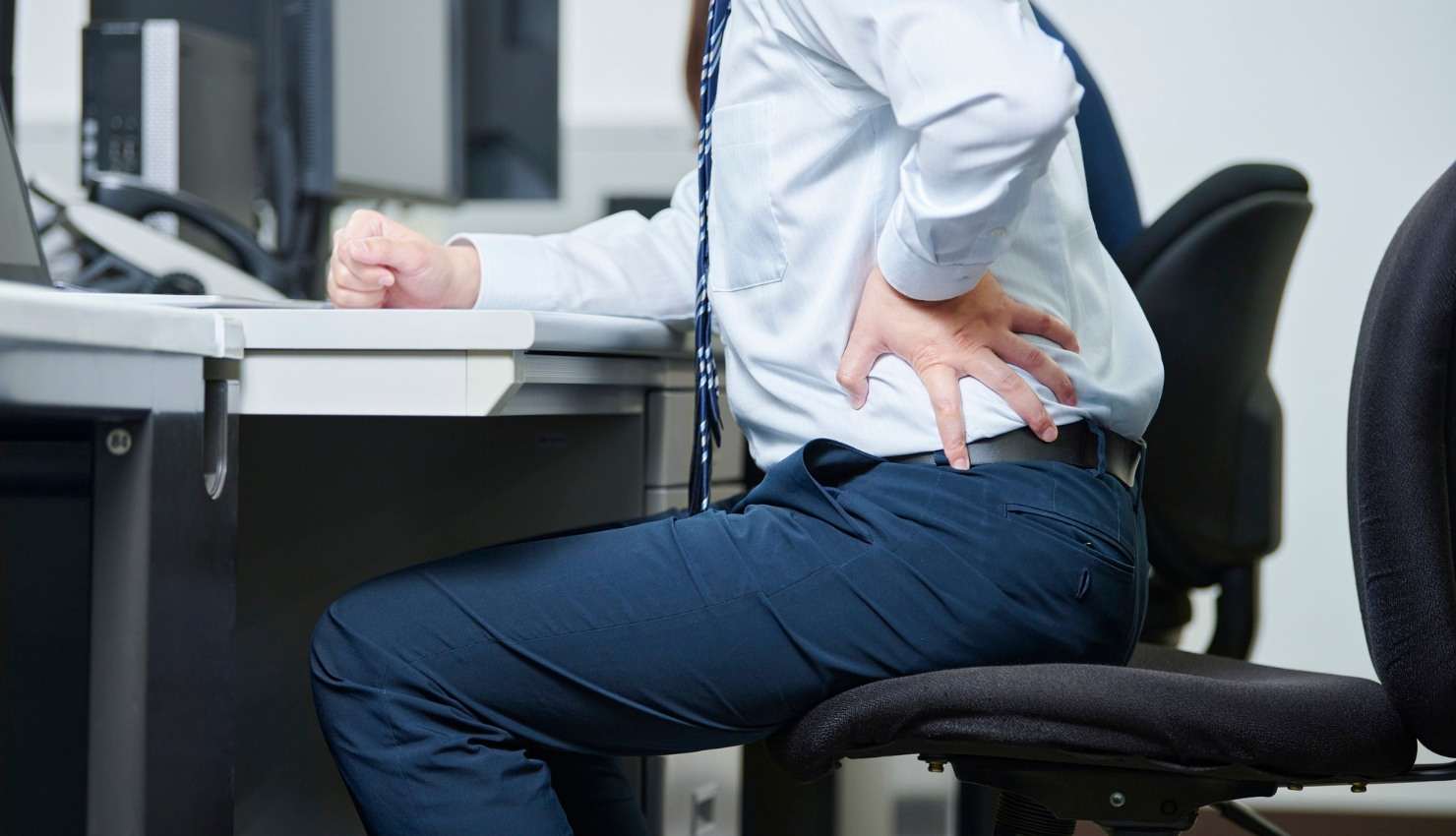
Create an Ergonomic Workspace
Your desk setup plays a huge role in how your body feels during and after work.
Key ergonomic tips:
Screen at eye level: Prevents neck strain
Keyboard and mouse at elbow height: Avoids shoulder and wrist tension
Feet flat on the floor: Promotes better lower back support
Chair with lumbar support: Reduces lower back pressure
If you use a laptop, consider an external monitor or keyboard to avoid hunching.
2. Prioritize Good Posture
Bad posture over time causes imbalances and stress on muscles and joints.
What good posture looks like:
Ears aligned over shoulders
Back straight, not rounded
Shoulders relaxed and not hunched
Arms close to the body at 90° angles
Hips slightly higher than knees if sitting
Check your posture every hour. Set a reminder if needed!
3. Move Frequently
Sitting too long is one of the main triggers for chronic pain. Movement resets your muscles and joints.
Simple strategies:
Stand up every 3060 minutes
Walk around during phone calls
Do desk-friendly stretches for your neck, shoulders, and hips
Try a standing desk or alternate between sitting and standing
Even 12 minutes of movement per hour can significantly reduce stiffness.
4. Incorporate Daily Stretching
Stretching increases flexibility and reduces tightness that contributes to chronic pain.
Stretch daily:
Neck side bends
Shoulder and chest openers
Seated spinal twists
Hip flexor stretches
Hamstring and wrist stretches
Set aside 510 minutes a day for a quick full-body routine.
5. Strengthen Supportive Muscles
Weak muscles force your joints and soft tissues to work harder.
Focus on strengthening:
Core muscles: Support your spine
Glutes and hamstrings: Take pressure off your lower back
Upper back: Improves posture and shoulder alignment
You dont need a gymsimple bodyweight exercises like planks, bridges, and rows work great.
6. Listen to Early Warning Signs
Dont ignore early signs of discomfort. Symptoms like:
Tingling or numbness
Muscle tightness
Aching or burning pain
Tension headaches
These may signal repetitive stress or poor movement patterns. Early correction prevents long-term issues.
7. Manage Stress and Mental Fatigue
Stress often leads to muscle tension, shallow breathing, and poor postureexacerbating pain.
To reduce stress:
Take short mental breaks every hour
Practice deep breathing or mindfulness
Set boundaries for work hours and screen time
Get enough sleep and stay hydrated
8. See a Physiotherapist if Needed
If pain persists, worsens, or limits your function, a physiotherapist can help:
Assess your movement patterns and workstation
Relieve tension through manual therapy
Prescribe corrective exercises and stretches
Offer long-term pain management strategies
Personalized guidance can stop chronic pain before it becomes debilitating.
Final Thought
Chronic pain doesnt have to be part of your work-from-home life. With ergonomic adjustments, consistent movement, smart posture habits, and proper stretching, you can protect your body and feel better throughout the day. Prevention is powerfulstart with small changes, and stay consistent.