Childbirth is a transformative experience, but it also places significant physical demands on a womans bodyespecially the pelvic floor. Whether youve had a vaginal delivery or a cesarean section, the muscles, ligaments, and connective tissues in your pelvic region undergo major changes.

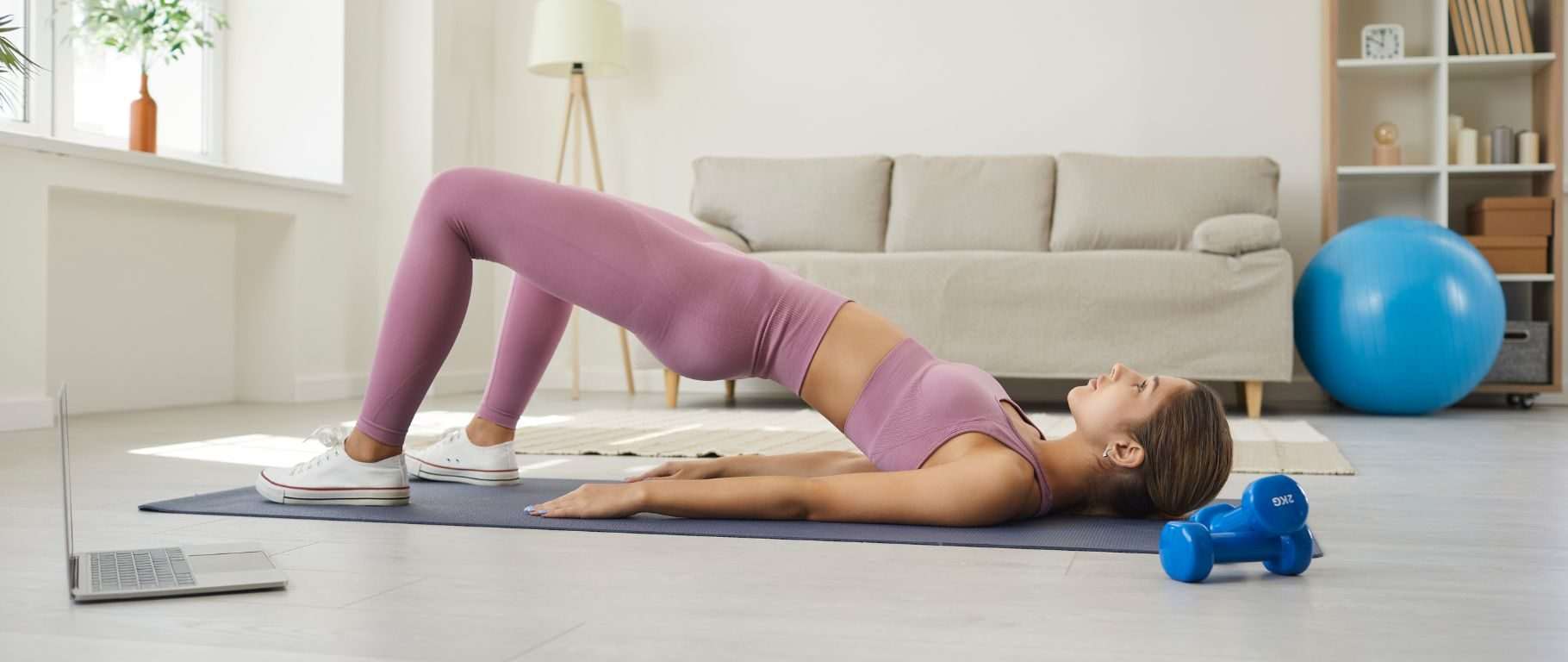
Childbirth is a transformative experience, but it also places significant physical demands on a womans bodyespecially the pelvic floor. Whether youve had a vaginal delivery or a cesarean section, the muscles, ligaments, and connective tissues in your pelvic region undergo major changes. Proper postpartum pelvic care is essential for healing, restoring function, and preventing long-term complications. Understanding how to manage pelvic health after childbirth empowers new mothers to prioritize recovery and regain strength.
What Happens to the Pelvic Floor During Childbirth
During pregnancy, the pelvic floor muscles support the growing uterus and accommodate increased weight and pressure. In vaginal deliveries, these muscles stretch considerably to allow the baby to pass through the birth canal. Tearing, episiotomies, and forceps use can further strain or injure the area. In cesarean births, although the pelvic floor isnt directly involved in delivery, pregnancy itself still causes stress to the core and pelvic structures. Recovery from both types of birth requires specialized care.
Common Postpartum Pelvic Floor Issues
Many women experience some degree of pelvic floor dysfunction after giving birth. Symptoms may include:
Urinary leakage when sneezing, coughing, or exercising
Pelvic heaviness or pressure, indicating prolapse
Pain during intercourse
Constipation or bowel control issues
Core weakness and lower back pain
These issues often go untreated due to stigma, lack of awareness, or assumptions that they are normal. However, with early intervention through physiotherapy, most of these symptoms can be resolved or significantly reduced.
Why Postnatal Physiotherapy Matters
Pelvic health physiotherapy is a proactive and evidence-based approach to postnatal recovery. A physiotherapist can assess the strength, flexibility, and coordination of your pelvic floor muscles, helping you reconnect with your body after delivery. Treatment typically involves:
Breathing and relaxation techniques
Pelvic floor muscle activation exercises
Core strengthening
Manual therapy for scar tissue or muscle tension
Guidance on posture, lifting, and safe exercise reintroduction
These interventions are non-invasive and tailored to each individuals needs and healing timeline.
When to Start Postpartum Physiotherapy
Ideally, women should schedule an initial pelvic floor assessment about 68 weeks after delivery, even if they feel fine. Early checkups allow for identification of minor issues before they become chronic. Some women may benefit from earlier care, especially after traumatic births or complicated recoveries. Continuing care throughout the first year postpartum helps support progressive strengthening and activity resumption.
Rebuilding Confidence and Function
Pelvic floor dysfunction can impact more than physical movementit can interfere with sexual health, self-esteem, and the ability to participate in daily life or fitness. Physiotherapy supports emotional recovery by providing clear, compassionate guidance. Learning how to manage symptoms and regain control helps new mothers feel more empowered and capable in their roles.
Preventing Long-Term Complications
Without proper management, postnatal pelvic floor issues can become chronic. Incontinence, pelvic organ prolapse, and pain may persist or worsen years after childbirth. Physiotherapy is a critical step in preventing these outcomes. By rebuilding strength and restoring proper alignment early, women can ensure better long-term pelvic and core health.
Integrating Pelvic Health into Daily Life
Recovery doesnt happen overnight. It requires consistent effort and support. Physiotherapists guide mothers on how to integrate pelvic health practices into their routine:
Safe return to walking, lifting, and childcare tasks
Using breath and core control during daily movements
Performing pelvic floor exercises during everyday activities
Understanding signs of overexertion and when to rest
This integrative approach makes pelvic wellness sustainable and achievable, even in the busy early months of parenting.
Support for Every Birth Experience
No two postpartum journeys are the same. Whether a woman had a home birth, hospital birth, C-section, or multiple deliveries, her pelvic floor deserves personalized care. Pelvic health physiotherapy respects these individual experiences and adjusts treatment accordingly. Its never too late to starteven years after childbirth, improvement is possible.
Conclusion
Postpartum pelvic health management is a vital, often overlooked aspect of motherhood. With professional guidance from a pelvic floor physiotherapist, women can recover more completely, regain comfort, and prevent future issues. Regular postnatal assessments and customized physiotherapy plans ensure that pelvic wellness becomes a core part of long-term health for every mother.